
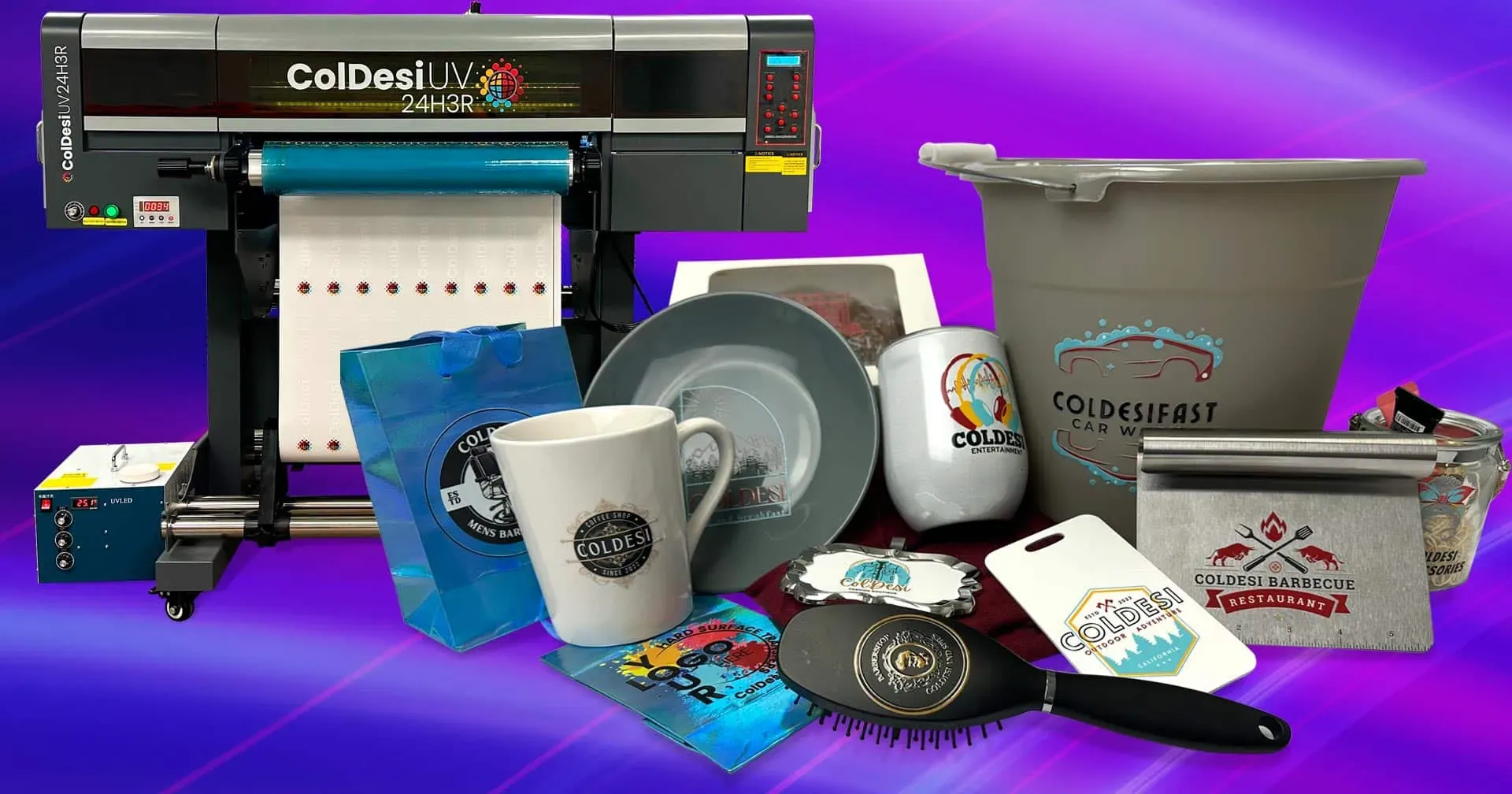
UV DTF printing is revolutionizing the apparel business by introducing cutting-edge technology that enhances print quality and production efficiency. This innovative process utilizes UV-LED inks to create stunning, durable prints on a variety of materials, from textiles to non-textiles. As the demand for custom apparel increases, garment manufacturers are turning to UV DTF to meet customer expectations for vibrant, long-lasting designs. Additionally, this sustainable printing method minimizes environmental impact by reducing harmful emissions compared to traditional printing techniques. Embracing UV DTF is not just about keeping up with trends, but also about securing a competitive edge in a rapidly evolving market.
Often referred to as ultraviolet direct-to-film technology, UV DTF printing offers an exciting alternative for businesses in the fashion sector. This advanced printing solution allows for an impressive level of detail in designs while ensuring that prints remain resilient over time. By leveraging the strengths of UV printing methods, companies can tap into a broader range of materials, making customization more achievable than ever. As we witness a shift toward sustainable printing practices within the industry, the rise of UV DTF has become synonymous with high-quality, eco-friendly production. Ultimately, businesses adopting this technology are positioning themselves to thrive in a landscape that increasingly values unique, environmentally conscious products.
Exploring the Mechanics of UV DTF Printing
UV DTF printing operates on a unique mechanism that involves transferring high-resolution images directly onto a specially formulated film. This film is printed with UV-curable inks that, upon exposure to UV light, instantly cure and bond to the material beneath. This process is distinctly different from traditional printing methods, such as screen or heat transfer printing, which often require longer curing times and involve multiple layers of application. This speedy curing allows businesses in the apparel industry to achieve vibrant, high-quality prints swiftly, significantly enhancing production workflows.
Moreover, UV DTF printing excels in its versatility, allowing for prints on various substrates, including textiles, plastics, and even metallic surfaces. This capability enables companies to explore diverse applications, from apparel to promotional products and signage. As more businesses become aware of this technology, the demand for custom apparel that stands out with unique designs is surging, making it an essential choice for companies looking to captivate their customers with exceptional print quality.
Benefits of Integrating UV DTF in Apparel Production
One of the most compelling benefits of integrating UV DTF technology into apparel production is its efficiency. The quick curing capability of UV inks means that design cycles can be shortened, allowing businesses to fulfill orders and respond to market trends at an accelerated pace. This rapid turnaround is particularly beneficial in the cutthroat apparel business, where delays can lead to lost sales opportunities.
In addition to heightened speed, UV DTF printing ensures superior print quality. The inks used in this method provide exceptional adhesion to materials, resulting in prints that are vibrant, detailed, and remarkably durable. This level of quality appeals to customers who seek long-lasting products, thus enhancing brand reputation and customer satisfaction in the competitive realm of custom apparel.
Sustainable Practices with UV DTF Technology
Sustainability is increasingly becoming a pivotal focus for modern apparel businesses, and UV DTF technology aligns perfectly with this movement. The process reduces the emission of harmful volatile organic compounds (VOCs) compared to traditional printing methods, making it a healthier choice for both workers and the environment. As brands search for ways to reduce their carbon footprints and appeal to eco-conscious consumers, the adoption of UV DTF printing represents a strategic step forward in sustainable practices.
Moreover, UV DTF printing minimizes waste through its efficient use of materials. Since the process allows for precise printing, there is less excess ink and material wasted during production. This not only conserves resources, but also lowers overall operational costs for businesses, further enhancing their sustainability profile. As businesses articulate their commitment to sustainable practices, integrating UV DTF technology not only helps them meet regulatory requirements but also resonates with a growing market segment that prioritizes eco-friendly purchasing decisions.
Enhancing Customization in Apparel Designs
In today's competitive marketplace, customization has become a hallmark of successful apparel brands. UV DTF printing facilitates this trend by enabling the creation of intricate and personalized designs that cater to individual consumer preferences. The technology's ability to produce high-resolution graphics on various materials allows businesses to offer customized products that reflect their customers' unique styles, potentially fostering greater loyalty and higher sales.
Additionally, this flexibility in design capabilities supports limited edition runs and bespoke products, which are in high demand among fashion-forward consumers. By harnessing the power of UV DTF printing, apparel businesses can effectively differentiate themselves from competitors, create niche markets, and cultivate customer engagement through tailored offerings that resonate with targeted demographics.
Navigating Challenges in Adopting UV DTF Technology
While the benefits of UV DTF technology are significant, apparel businesses must also navigate certain challenges during implementation. The initial investment in specialized UV DTF printers and inks can be substantial. Companies must weigh the costs against the anticipated returns on investment, particularly for smaller businesses or those just entering the market.
Another consideration is the training required for staff to effectively operate these advanced printing machines. Ensuring that employees have the necessary skills to manage the UV curing process and maintain print quality is essential. Overcoming these hurdles is crucial for businesses to maximize the potential benefits of UV DTF technology and ensure successful adoption.
Future Trends in UV DTF Technology for Apparel
Looking ahead, UV DTF technology is poised to continue evolving alongside trends in the apparel sector. As consumer preferences shift towards more sustainable and personalized products, innovations in UV printing will play a crucial role in shaping the future of apparel manufacturing. Emerging advancements may include even faster curing times, improved ink formulations, and enhanced printer capabilities that further push the boundaries of design and application.
Additionally, integration with digital platforms and e-commerce strategies may offer apparel businesses greater opportunities to capitalize on UV DTF printing. As on-demand printing and drop shipping become more prevalent, the versatility and quality of UV DTF technology will allow brands to respond more efficiently to consumer demands while maintaining high standards of print quality and sustainability.
Frequently Asked Questions
What is the role of UV DTF printing in enhancing the custom apparel market?
UV DTF printing plays a crucial role in the custom apparel market by enabling high-quality, vibrant prints that are durable and long-lasting. This technology supports quick production cycles, allowing businesses to efficiently fulfill orders for personalized products, ultimately meeting the growing demand for unique apparel.
How does UV DTF printing improve sustainability in the apparel business?
UV DTF printing enhances sustainability in the apparel business by utilizing UV inks that emit fewer volatile organic compounds (VOCs) compared to traditional printing methods. This eco-friendly approach aligns with consumer preferences for sustainable practices and helps apparel businesses reduce their environmental footprint.
What are the advantages of using UV DTF printing over traditional printing methods for apparel?
Using UV DTF printing over traditional methods offers several advantages, including higher print quality, improved durability, and faster production times. UV DTF technology allows for intricate designs on a variety of substrates, making it a versatile choice for modern apparel businesses seeking to stand out in the marketplace.
Can UV DTF printing be used for materials other than textiles in the apparel industry?
Yes, UV DTF printing can be used on a wide range of materials beyond textiles, including plastics and metals. This versatility expands creative possibilities for apparel businesses, enabling them to produce unique designs that incorporate various substrates into their custom apparel offerings.
What kind of print quality can be expected from UV DTF printing technology?
UV DTF printing technology delivers exceptional print quality, characterized by vibrant colors and fine details. The advanced curing process ensures that prints are less prone to fading and wear, providing customers with high-quality apparel products that stand the test of time.
What challenges might apparel businesses face when transitioning to UV DTF printing?
Apparel businesses transitioning to UV DTF printing may face challenges such as the financial investment in specialized equipment and the need for training staff to operate it effectively. Additionally, achieving optimal print quality requires careful attention to the curing process, as any mistakes can affect the final output.
| Key Point | Description |
|---|---|
| What is UV DTF Printing? | A printing process using UV-LED inks to create durable prints on various materials. |
| Increased Production Efficiency | Faster production cycles due to quick curing, enabling businesses to meet custom apparel demands. |
| Enhanced Quality and Durability | UV DTF produces prints that are resistant to fading and wear, ensuring high-quality end products. |
| Versatile Material Compatibility | Can print on textiles, plastics, and metals, allowing diverse applications and designs. |
| Sustainability and Eco-Friendliness | Reduced VOC emissions make UV DTF a greener option compared to traditional methods. |
| Challenges to Consider | Initial investment in equipment and training, as well as ensuring proper curing for quality. |
Summary
UV DTF printing is revolutionizing the apparel industry by providing innovative solutions that enhance production capabilities while remaining eco-friendly. As businesses adapt to consumer demand for personalized and sustainable products, UV DTF technology emerges as an essential tool. Its efficiency, quality, versatility, and reduced environmental impact position it as a game-changer in the market. Businesses investing in UV DTF not only improve their operational efficiency but also establish themselves as forward-thinking leaders in a rapidly evolving landscape.