
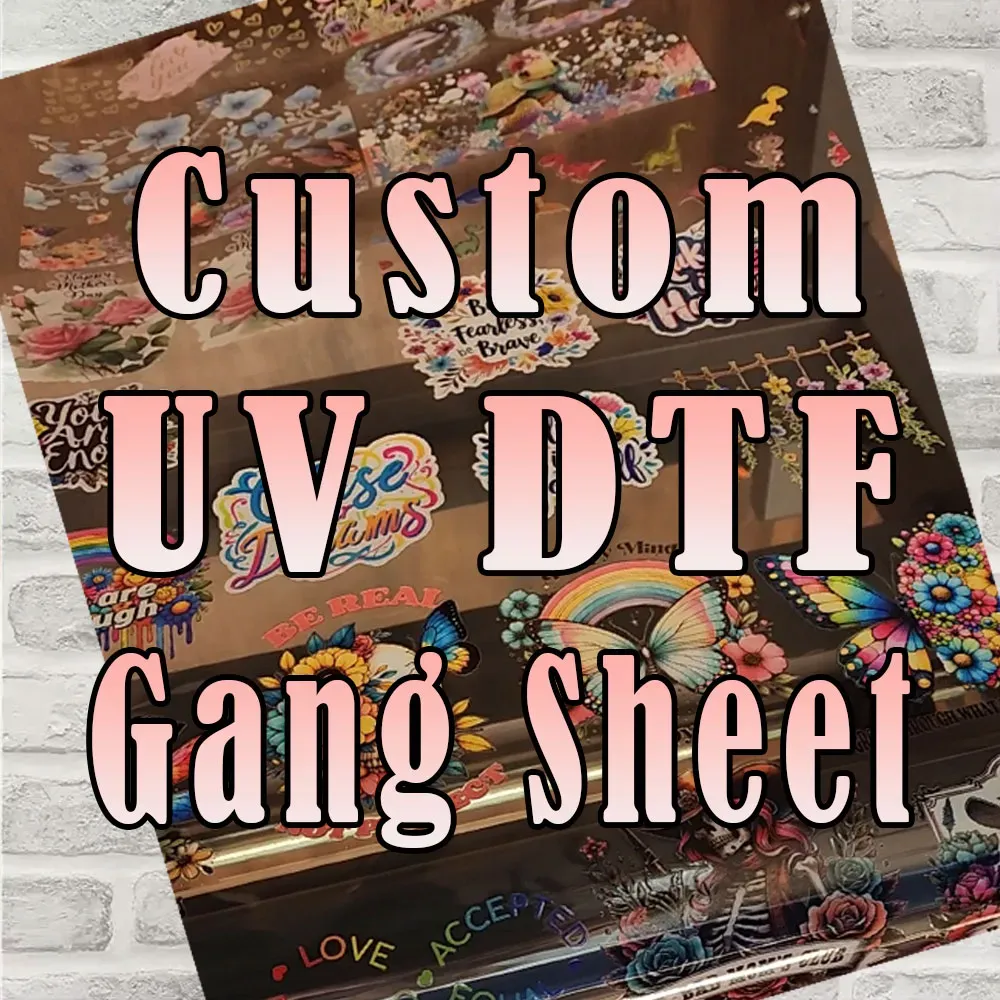
UV DTF Gangheet has transformed the landscape of printing by offering exceptional detail and durability for custom projects. This innovative Direct to Film printing technique utilizes ultraviolet light to cure inks directly onto the transfer film, which can then be applied to a variety of substrates. With the ability to produce vibrant colors and intricate designs, UV DTF printing is increasingly favored for custom apparel printing, promotional items, and much more. As this technology advances, it promises to meet the growing demand for durable print applications across various industries. In this introduction, we will explore how to effectively use UV DTF Gangheet to elevate your printing projects.
Exploring the realm of UV DTF printing reveals a myriad of possibilities within the custom printing industry. Also known as Direct to Film printing, this approach harnesses UV printing techniques to deliver sharp, colorful images on diverse materials. Whether you're engaging in creative custom apparel designs or seeking durable print applications for promotional merchandise, mastering this printing style can significantly enhance your finished products. The versatility and robustness of UV DTF methods make them essential for those looking to push their creative boundaries. Get ready to dive into the dynamic world of custom printing with an insightful guide on UV DTF Gangheet.
What is UV DTF Printing?
UV DTF printing, or Ultra Violet Direct to Film printing, is an advanced printing technology that transfers vivid and durable graphics onto various surfaces. At its core, this process involves printing designs onto a special transfer film using UV reactive inks. Once printed, the film is exposed to UV light, which cures the ink in place, resulting in a robust and high-quality image. This technology uniquely combines the benefits of traditional DTF printing with the advantages of UV curing, allowing for greater versatility in material selection.
With UV DTF printing, the applications are nearly limitless. This technique can be utilized on a diverse array of substrates, including textiles, plastics, metal, and wood, making it ideal for creating custom apparel, promotional products, and signage. What sets UV DTF apart is its ability to maintain color vibrancy and detail even in challenging environmental conditions, ensuring that prints remain intact and eye-catching for an extended period.
Step-by-Step Process of Using UV DTF Gangheet
To successfully utilize UV DTF Gangheet in your printing projects, follow a comprehensive step-by-step approach. Start with preparing your materials and selecting a design that truly represents your vision. Using graphic design software, ensure that your design is high-resolution for superior clarity when printed. Next, choose a suitable substrate from a range such as cotton, plastic, or even metal, each offering unique properties that can enhance your final product.
Once your design and materials are ready, it's time to set up your UV DTF printer. Load the correct type of DTF transfer film, adjust the printer settings, and ensure that both color accuracy and resolution are optimized for the best results. After printing, the crucial stage of curing comes next—expose the printed film to UV light, confirming that the ink adheres properly. Finally, transfer your design onto the selected substrate and apply necessary heat or adhesives as required.
The Advantages of UV DTF Technology
One of the standout advantages of UV DTF printing is its unmatched versatility. This technique allows you to print on various substrates, including soft fabrics and rigid surfaces, accommodating multiple project needs. Because the UV ink adheres well across mediums, there’s no limit to the types of products you can create, be it custom apparel, signage, or intricate promotional items.
Durability is another significant benefit of this technology. The UV curing process makes the prints resistant to fading, scratching, and other wear and tear, ensuring that your designs retain their quality over time. This makes UV DTF printing particularly appealing for items exposed to the elements, such as outdoor signage or custom clothing, as they boast a longer lifespan compared to many other printing methods.
Common Applications of UV DTF Printing
UV DTF printing has a wide range of applications, making it a preferred choice for many industries. For instance, in the custom apparel sector, this technology allows businesses to print striking designs on t-shirts, hoodies, and sportswear, enabling them to stand out in a competitive market. The durability of UV DTF prints ensures that these apparel items not only look great but also withstand frequent washing and wearing.
Additionally, the promotional products industry has greatly benefited from UV DTF printing. Items such as mugs, phone cases, and keychains can be produced with high-quality, vibrant images that attract attention. The personalization aspect also makes it possible for e-commerce platforms to cater to the growing demand for unique, customized gifts, allowing customers to express their individuality.
How to Ensure Quality in UV DTF Printing
Quality is paramount in any printing process, and UV DTF printing is no exception. To ensure that your prints are of the highest standard, it’s essential to use quality inks and transfer films specifically designed for UV DTF applications. Performing routine maintenance on your printer, such as cleaning the print heads and calibrating settings, will also help maintain consistent print quality.
In addition to equipment upkeep, monitor the environmental conditions of your workspace. UV printing requires a stable atmosphere without excessive humidity, which could affect the curing process of the ink. Furthermore, conducting test prints before embarking on larger projects allows for adjustments to be made, ensuring final outputs meet expectations.
Future of UV DTF Printing in the Market
As technology continues to evolve, UV DTF printing is poised to become an integral part of the printing industry. The demand for high-quality, durable prints is on the rise, and UV DTF Gangheet caters to this need by offering exceptional results across various applications. As innovators develop more advanced inks and films, UV DTF printing will become even more efficient and accessible for small businesses and large-scale manufacturers alike.
Moreover, the growing trend of customization in consumer products aligns perfectly with the capabilities of UV DTF printing. Brands looking to personalize products can leverage this technology to cater to individual customer preferences, enhancing consumer experiences and driving sales. As a result, adopting UV DTF printing could offer businesses a competitive edge, positioning them favorably in an evolving market landscape.
Frequently Asked Questions
What is UV DTF Gangheet and how does it work?
UV DTF Gangheet refers to the process of UV DTF (Direct to Film) printing, which involves printing designs onto a specialized transfer film that is cured with UV light. This method ensures vibrant and durable prints suitable for various substrates like textiles, plastics, and more.
What are the key benefits of using UV DTF printing in custom apparel printing?
Using UV DTF printing in custom apparel printing offers several benefits, including exceptional detail and color accuracy, strong adherence to materials, and outstanding durability against fading and wearing, making it ideal for promotional clothing and personalized gifts.
Can UV DTF Gangheet print on a variety of materials?
Yes, UV DTF Gangheet allows printing on a wide range of materials. Its versatility makes it suitable for custom apparel, promotional items, and even textured substrates, ensuring that designers can create diverse products.
How does UV printing techniques contribute to durable print applications?
UV printing techniques, such as those used in UV DTF Gangheet, enhance the durability of print applications by using UV light to cure inks. This significantly improves resistance to scratches, fading, and wear, ensuring that prints last longer under various conditions.
What steps are involved in using UV DTF Gangheet for a project?
Using UV DTF Gangheet involves several key steps: prepare your materials and design, set up the UV DTF printer, cure the print with UV light, transfer the print onto the substrate, and perform post-processing like sealing to enhance durability.
Is UV DTF Gangheet a good option for promotional products?
Absolutely! UV DTF Gangheet is an excellent choice for promotional products as it allows for vibrant prints on items like mugs and phone cases, providing high-quality and durable designs that stand out in a competitive market.
| Step | Description |
|---|---|
| 1: Prepare Your Materials | Select your design and material for printing. |
| 2: Set Up Your UV DTF Printer | Load the transfer film and print your design with optimal settings. |
| 3: Cure the Print | Expose the printed film to UV light to cure the ink. |
| 4: Transfer the Print | Use heat or cold transfer methods to apply the design to your substrate. |
| 5: Post-Processing | Remove the transfer film and add any protective coatings if necessary. |
Summary
UV DTF Gangheet offers an innovative approach to printing that enhances the way designs are applied across various substrates. By following the detailed guide above, you can create high-quality prints that are not only visually appealing but also durable and resistant to wear. As the popularity of UV DTF printing grows, its applications extend into custom apparel, promotional products, personalized gifts, and signage, making it an essential technique for businesses and creatives alike. Embracing UV DTF Gangheet can significantly elevate your printing projects, ensuring professional-grade results that stand the test of time.