
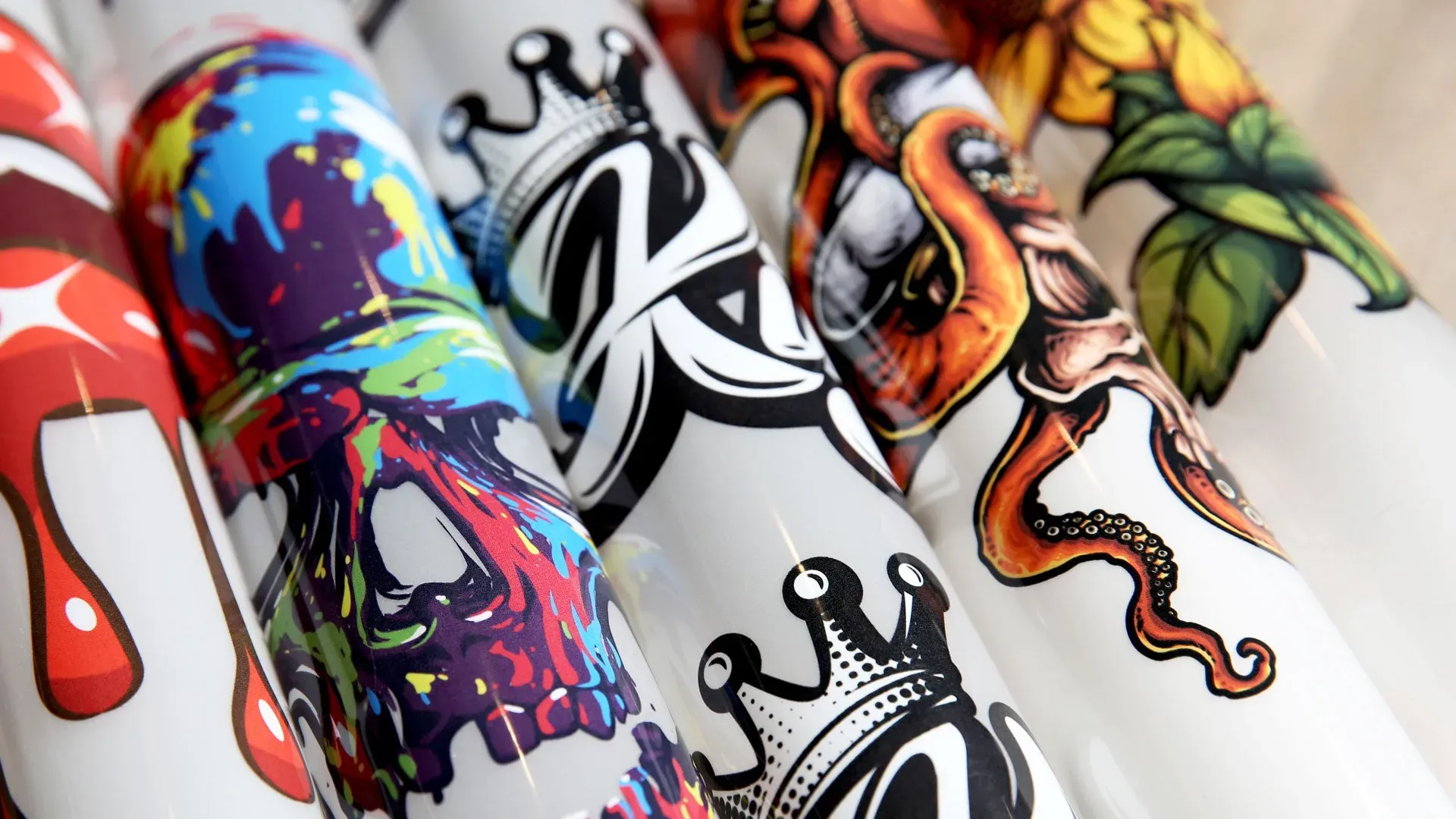
DTF Transfers, or Direct-to-Film printing, has emerged as a revolutionary technique in the realm of garment decoration. This innovative method allows intricate designs to be printed onto a special film, which can then be transferred onto various fabrics, providing exceptional vibrancy and detail. As more businesses pivot towards high-quality custom prints, understanding the nuances of DTF compared to traditional methods such as screen printing and DTG printing becomes essential. This blog post delves into the capabilities of DTF Transfers, illustrating how it stacks up against other popular printing techniques and emphasizing its advantages over sublimation printing for diverse applications. Get ready to explore the future of garment printing, where versatility and durability collide with creativity!
In the ever-evolving landscape of fabric printing, techniques like Direct-to-Film (DTF) printing stand at the forefront, providing an exciting alternative to conventional methods. Often viewed through the lens of garment personalization, the DTF process leverages advanced technology to achieve stunning visuals on textiles. With comparisons frequently drawn to methods such as screen printing and Direct-to-Garment (DTG), it’s important to explore how DTF Transfers not only match but exceed the capabilities of these older techniques in terms of versatility and color richness. As we navigate through this analysis, we'll highlight how DTF printing bridges the gap between aesthetic appeal and industrial practicality, allowing designers greater freedom in their creative expressions.
Understanding DTF Transfers
DTF Transfers, or Direct-to-Film Transfers, are revolutionizing the way designs are applied to garments. This innovative method involves printing designs onto a film using specialized inks, which are then transferred onto a garment with heat. This process ensures that colors are vibrant and details are sharp, making it an excellent choice for complex designs that traditional methods may struggle to reproduce. By utilizing DTF Transfers, businesses can create unique apparel quickly and efficiently.
Moreover, DTF Transfers offer a flexibility that is unmatched by many other printing techniques. Unlike methods such as Screen Printing, which typically require a series of screens for different colors, DTF allows for full-color designs to be printed in a single pass. This capability not only saves time during production but also enhances overall productivity, allowing brands to meet the rising demand for customized apparel.
DTF Transfers vs Screen Printing
When comparing DTF Transfers to Screen Printing, it's essential to recognize the core differences in their processes and applications. Screen Printing has long been the go-to method for large volume orders due to its cost-effectiveness per unit. However, it can be limited in terms of detail and color range, especially for intricate designs. DTF, on the other hand, excels in producing detailed graphics with multiple colors, suiting the modern consumer’s appetite for personalized and visually striking designs.
Furthermore, the materials used in DTF Transfers provide an advantage when it comes to fabric types. While Screen Printing is primarily effective on cotton and similar textiles, DTF can be applied to a wider range of materials, including polyester and blends. This not only increases the versatility of DTF Transfers but also opens up new opportunities for brands to offer more diverse product lines.
The Advantages of DTF Printing
One of the standout advantages of DTF printing is its impressive durability. Unlike some traditional methods that may fade or peel over time, DTF Transfers are designed to withstand repeated washing while maintaining their quality. This resilience is particularly beneficial for businesses that cater to athletic wear or everyday apparel, as it ensures that garments maintain their appearance over time, leading to higher customer satisfaction and repeat business.
In addition to durability, DTF printing is highly cost-effective for small production runs. Businesses can produce high-quality prints in smaller batches without the need for extensive setup typically associated with Screen Printing. This flexibility makes DTF Transfers an attractive option for startups and niche brands looking to create unique designs without the constraints of higher volume production.
Comparative Analysis: DTG Printing and DTF
Direct-to-Garment (DTG) printing is often mentioned alongside DTF Transfers, as both techniques can deliver high-resolution prints. However, DTG focuses on printing directly onto fabric, which can be limiting in terms of material compatibility. Typically used for cotton garments, DTG does not have the multifunctionality that DTF offers. By allowing prints to be applied to a broader spectrum of substrates, DTF stands out in environments where versatility is essential.
Additionally, DTF retains the ability to produce vibrant colors and intricate designs, similar to DTG, but does so at a faster rate. This makes it an appealing choice for businesses looking to optimize their production processes while offering customers top-tier print quality. The comparison highlights a crucial consideration for brands aiming to balance aesthetics with operational efficiency.
Sublimation Printing vs DTF Transfers
Sublimation printing is frequently praised for its ability to produce vibrant colors and all-over prints, particularly on polyester fabrics. However, this method is somewhat restrictive since it requires the fabric to be polyester, limiting the types of garments that can be created. In contrast, DTF Transfers can be applied to a variety of fabrics, including cotton, which greatly enhances their appeal to businesses seeking diversity in their product offerings.
Moreover, while sublimation produces permanent results by infusing dye into the fabric, it often requires specific conditions to achieve optimum results. DTF Printing, however, provides a more forgiving and straightforward process that can accommodate various materials and color needs, making it a preferable option for modern garment decorators looking to maximize their production capabilities.
Current Trends and Future Outlook for DTF Printing
As we look toward the future of garment printing, DTF printing is expected to continue its rapid evolution. Recent advancements in technology and print quality have positioned DTF as a frontrunner in the industry, appealing to both small businesses and large-scale manufacturers. The advent of new adhesives and eco-friendly inks will only enhance the appeal of DTF Transfers, allowing more businesses to adopt this versatile technique.
Furthermore, as customer preferences shift towards personalized and unique designs, the demand for DTF printing is likely to surge. It allows for the production of small runs with intricate details that resonate with consumers who value individuality in their clothing choices. The flexibility, durability, and cost-effectiveness of DTF printing will ensure it remains a favored method in the garment decoration landscape.
Frequently Asked Questions
What are DTF Transfers and how do they work?
DTF Transfers, or Direct-to-Film printing, involve printing designs onto a special film, which is then heat pressed onto various fabrics. This method uses eco-solvent inks to create vibrant, high-quality prints that can be applied to a wide range of materials, including cotton and polyester.
How do DTF Transfers compare to Screen Printing?
DTF Transfers offer more versatility than Screen Printing, which is limited to basic designs and fewer colors due to its stencil-based process. DTF can handle complex images with high resolution and is effective on multiple fabric types, providing greater design flexibility.
What are the advantages of DTF Transfers over DTG printing?
While both DTF Transfers and DTG printing deliver vibrant colors, DTF is more versatile as it can be applied to a broader range of fabrics including polyester blends. DTG is typically restricted to cotton, whereas DTF can offer high-quality prints on various materials.
Can DTF Transfers be used with sublimation printing methods?
DTF Transfers provide significant advantages over sublimation printing, particularly in terms of fabric compatibility. Unlike sublimation, which is limited to polyester, DTF can be applied to a wider selection of fabrics, including cotton and blends, making it a more flexible option for garment decoration.
What makes DTF Transfers a cost-effective choice for small businesses?
DTF Transfers are cost-effective because they allow smaller print runs without compromising quality or incurring high setup costs like traditional methods. This is ideal for startups or niche markets that need high-quality, custom designs in smaller quantities.
How durable are prints made with DTF Transfers?
DTF Transfers are known for their durability, resisting fading and cracking even after multiple washes. This resilience makes them perfect for custom clothing designed for long-term wear, providing high-quality results that last.
| Key Point | Description |
|---|---|
| Definition and Process | DTF printing uses a special film to transfer designs onto fabric with vibrant colors and detailed output. |
| Comparison with Other Techniques | Compared to screen printing, DTF supports complex designs. Unlike DTG, it works on various fabrics; unlike sublimation, it is adaptable to more fabric types. |
| Benefits of DTF Printing | Offers versatility across various fabrics, high durability during washing, and cost-effectiveness, especially for small businesses. |
| Recent Developments | Emerging technologies and innovation in inks and adhesives are expanding DTF applications and improving print quality. |
Summary
DTF Transfers have revolutionized garment decoration, allowing for high-quality and vibrant designs that cater to a wide range of fabric types. Unlike traditional methods like screen printing, DTF is both versatile and durable, making it an appealing choice for custom design makers looking for innovative solutions. As the technology continues to evolve, it promises to redefine the landscape of printing techniques and supports businesses in fulfilling diverse production needs.