
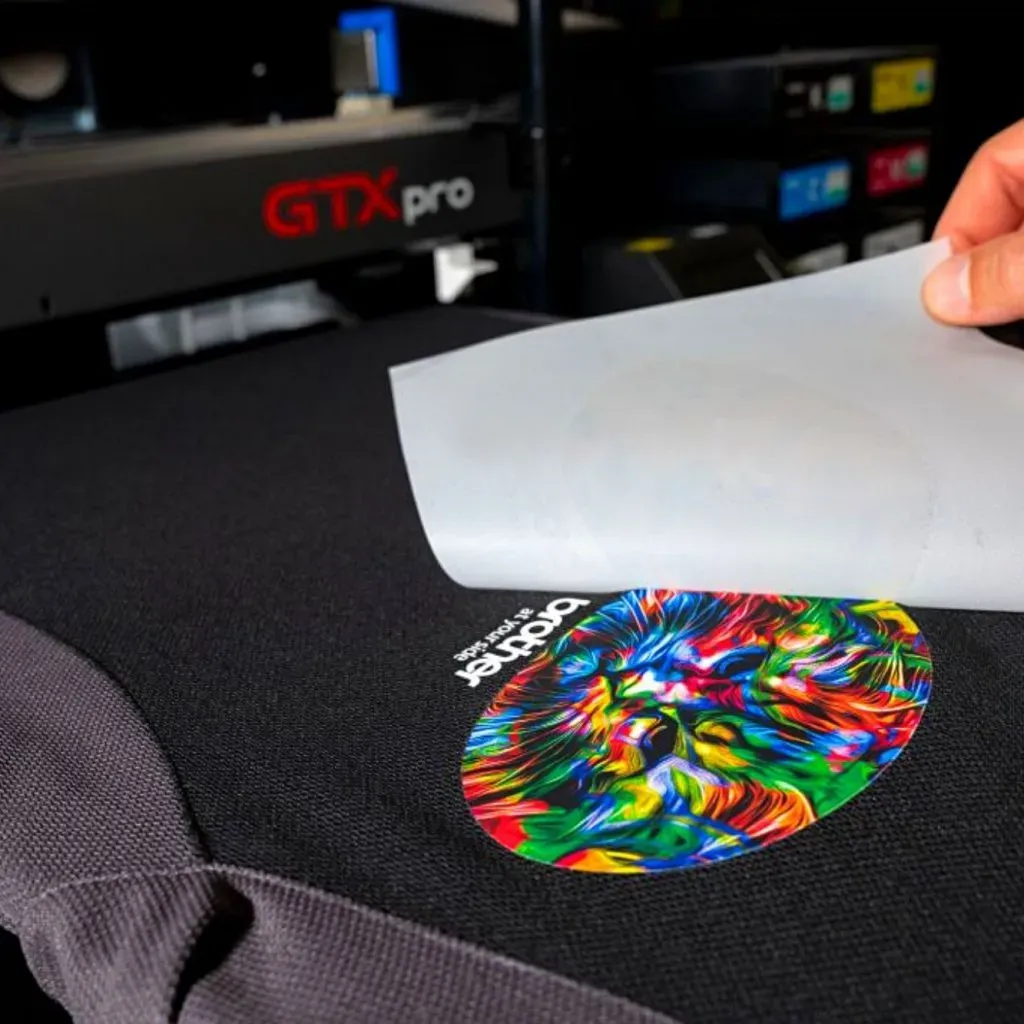
DTF printing, or Direct to Film printing, is revolutionizing the world of custom apparel and textile decoration by offering a vibrant and detailed method to transfer designs onto various materials. This innovative printing technology utilizes eco-friendly inks, making it a sustainable choice for businesses seeking high-quality printing without compromising environmental standards. With DTF technology, users can create stunning designs on different substrates, from cotton to synthetic fabrics, making it a versatile option for diverse applications. The advantages of DTF printing include low setup costs and the ability to produce small runs of custom prints efficiently, which appeal to both small businesses and large-scale production enterprises. As the demand for personalized garment printing grows, DTF is poised to become a leading method in the print industry, combining artistry with practicality.
Direct to Film printing, often referred to as DTF technology, is emerging as a go-to option for businesses involved in custom apparel printing and promotional merchandise. This dynamic process allows for impressive color reproduction and fine detail while ensuring a strong bond with a variety of fabric types. As more companies recognize the eco-friendly attributes associated with DTF, such as the use of water-based inks, the method is gaining popularity not just for its efficiency but also for its alignment with sustainable production practices. With its unique blend of versatility and quality, DTF presents clear advantages over traditional methods, paving the way for innovative designs that captivate consumers. As the trend toward customization continues to surge, utilizing DTF technology could be the key to standing out in a competitive market.
Understanding the Mechanics of DTF Printing
The mechanics behind Direct to Film (DTF) printing are quite revolutionary in the printing industry. DTF printing begins with creating a digital design that is printed on a special type of film using either eco-solvent or water-based inks. This innovation allows for vibrant color outputs and intricate details that traditional methods struggle to replicate. After printing, an adhesive powder is applied to the moist ink, which is then cured using heat. This unique combination of techniques ensures that the design adheres properly when transferred onto various surfaces.
Subsequent to the printing and adhesive application, the film is transferred to the desired substrate using a heat press. During this stage, high temperatures and pressure are utilized to establish a firm bond, promoting durability and flexibility of the print. This process is essential for creating high-quality custom apparel that stands out in the market. Whether the output is a promotional t-shirt or a bespoke fashion item, DTF technology promises efficient production and superior results.
The Many Benefits of DTF Technology
DTF technology offers numerous advantages that make it an appealing choice for businesses in the apparel industry. One primary advantage is its versatility; DTF printing can be applied to various materials, beyond just cotton and blends. This feature opens up vast opportunities for customization, catering to different markets such as sportswear, home decor, and fashion. By being adaptive, DTF allows brands to reach diverse consumer bases without worrying about material constraints.
Moreover, the vibrant color quality achievable through DTF printing is often seen as a game-changer. With the capability to accurately replicate intricate designs, DTF becomes the preferred method for graphic designers and businesses aiming to showcase detailed artwork. In contrast to traditional printing methods that may compromise on color fidelity, DTF guarantees that the artwork remains vibrant and true to the original, making it an ideal choice for custom apparel printing.
DTF Printing: An Eco-Friendly Alternative
In an era where sustainability is paramount, DTF printing shines as an eco-friendly choice. Many DTF inks are water-based, rendering them less hazardous compared to solvent-based inks commonly used in traditional printing methods. This eco-conscious approach not only attracts environmentally-aware consumers but also aligns with the global shift toward sustainable manufacturing practices. Businesses adopting DTF printing can promote their commitment to sustainability, appealing to a broader customer base that values eco-friendly products.
Additionally, eco-friendly printing methods like DTF contribute to waste reduction often associated with traditional printing processes. The ability to produce high-quality prints without creating excessive environmental waste and pollutants helps businesses maintain a positive reputation while also satisfying the rising consumer demand for responsible production methods. DTF not only enhances print quality but also contributes to a healthier planet.
Current Trends in DTF Printing
As DTF technology continues to evolve, recent trends indicate a significant increase in its adoption across various industries. Advancements in ink formulation, adhesive bonds, and heat application techniques have enabled higher print durability and operational efficiency. Industries focused on e-commerce and customized clothing, for example, are leaning heavily into DTF printing to keep pace with rising consumer demand for personalized options. The capability to deliver tailored designs quickly and effectively is making DTF a staple in the contemporary printing landscape.
Moreover, the anticipated growth of the global DTF printing market is attributed to businesses recognizing the need for innovative solutions to meet the demands of an ever-changing marketplace. Predictions suggest that sectors such as fashion and promotional products will see heightened investment in DTF printing technology. By staying ahead of trends and adapting to consumer preferences, businesses can leverage DTF printing for a competitive edge.
The Cost-Effectiveness of DTF Printing
A distinct advantage of DTF printing is its cost-effectiveness, especially compared to traditional printing methods such as screen printing. DTF does not require extensive setup or multiple screens, which drastically reduces the initial investment. This simplicity makes it an excellent choice for businesses that frequently engage in small production runs or custom projects. Lower overhead costs can lead to increased profit margins, enabling businesses to allocate resources for expansion and marketing while offering competitive pricing to their customers.
Additionally, the reduced setup costs associated with DTF printing allow for flexibility in managing print orders. For artisans and small businesses wishing to diversify their offerings, DTF enables quick product launches without the financial burden often related to traditional printing processes. This opens doors for market experimentation, ultimately fostering creativity and innovation within the custom apparel space.
Challenges and Considerations in DTF Printing
While DTF printing presents numerous benefits, it is vital for businesses to recognize certain challenges before implementing this technology. One of the primary considerations is the investment in specialized equipment, such as DTF printers and heat presses. Even though initial costs are lower compared to other printing methods, the upfront financial commitment may be a barrier for some small businesses. Ensuring that the investment aligns with potential returns is crucial for sustained success.
Another significant factor to keep in mind is the potential limitations related to design sizing and color matching. Some practitioners have faced challenges when attempting to match specific colors or achieve larger print sizes. Understanding these limitations in advance can assist businesses in planning projects effectively and setting realistic expectations for their clients. By being aware of these challenges, companies can navigate the DTF printing process more efficiently.
Frequently Asked Questions
What is DTF printing and how does it work?
DTF printing, or Direct to Film printing, is a process where designs are printed onto a special film using eco-solvent or water-based inks. After the design is printed, an adhesive powder is applied to the wet ink, and then the film is heated to bond the adhesive. This prepared film can be transferred onto various substrates using a heat press, ensuring vibrant and detailed designs on textiles.
What are the advantages of DTF technology over traditional printing methods?
DTF technology offers several advantages, including versatility across different materials, vibrant color quality, low setup costs, and eco-friendliness. Unlike traditional screen printing, DTF can be applied to diverse fabrics such as polyester blends, leather, and synthetics, making it ideal for custom apparel printing.
Is DTF printing eco-friendly compared to other printing methods?
Yes, DTF printing is considered more eco-friendly because it often utilizes water-based inks that are less harmful to the environment. This aligns with increasing consumer demand for sustainable printing options, making DTF a popular choice for businesses focused on eco-friendly practices.
What types of products can be printed using DTF technology?
DTF printing is versatile and suitable for a wide range of products, including custom apparel, promotional items, sportswear, and home decor. The ability to print on various materials makes DTF an excellent option for diverse industries looking to create high-quality designs.
What are some current trends in DTF printing technology?
Current trends in DTF printing technology include advancements in ink quality, improvements in adhesive compositions, and enhancements in heat press equipment. These innovations aim to increase print durability and overall efficiency, catering to the growing demand for customized clothing in the e-commerce market.
What should businesses consider before investing in DTF printing equipment?
Businesses should consider the initial investment required for specialized DTF printers and heat presses. While DTF can have lower setup costs compared to traditional methods, equipment quality is essential for achieving high-quality prints. Additionally, understanding color matching and sizing limitations is crucial for successful project planning.
| Key Point | Details |
|---|---|
| How DTF Works | Involves printing a design on a special film with eco-solvent or water-based inks, followed by applying adhesive powder and using heat to transfer the design to substrates. |
| Advantages of DTF | Versatile across different materials, offers impressive color quality, has low setup costs, and many inks are eco-friendly. |
| Current Trends | Continuous advancements are improving ink quality and efficiency. The DTF market is growing due to e-commerce demands for personalized clothing. |
| Considerations | Initial investment in specialized equipment and potential challenges with color matching and print sizing. |
Summary
DTF printing is a modern and innovative technique revolutionizing the printing industry. This method offers vibrant colors, adaptable uses on various substrates, low startup costs, and minimal environmental harm due to its eco-friendly inks. As DTF technology advances, the quality and efficiency of prints improve, making it an ideal solution for businesses seeking to provide customized products. The growing demand for personalized apparel in the e-commerce sector further elevates DTF printing's relevance, positioning it as a preferred choice for creative industries.