
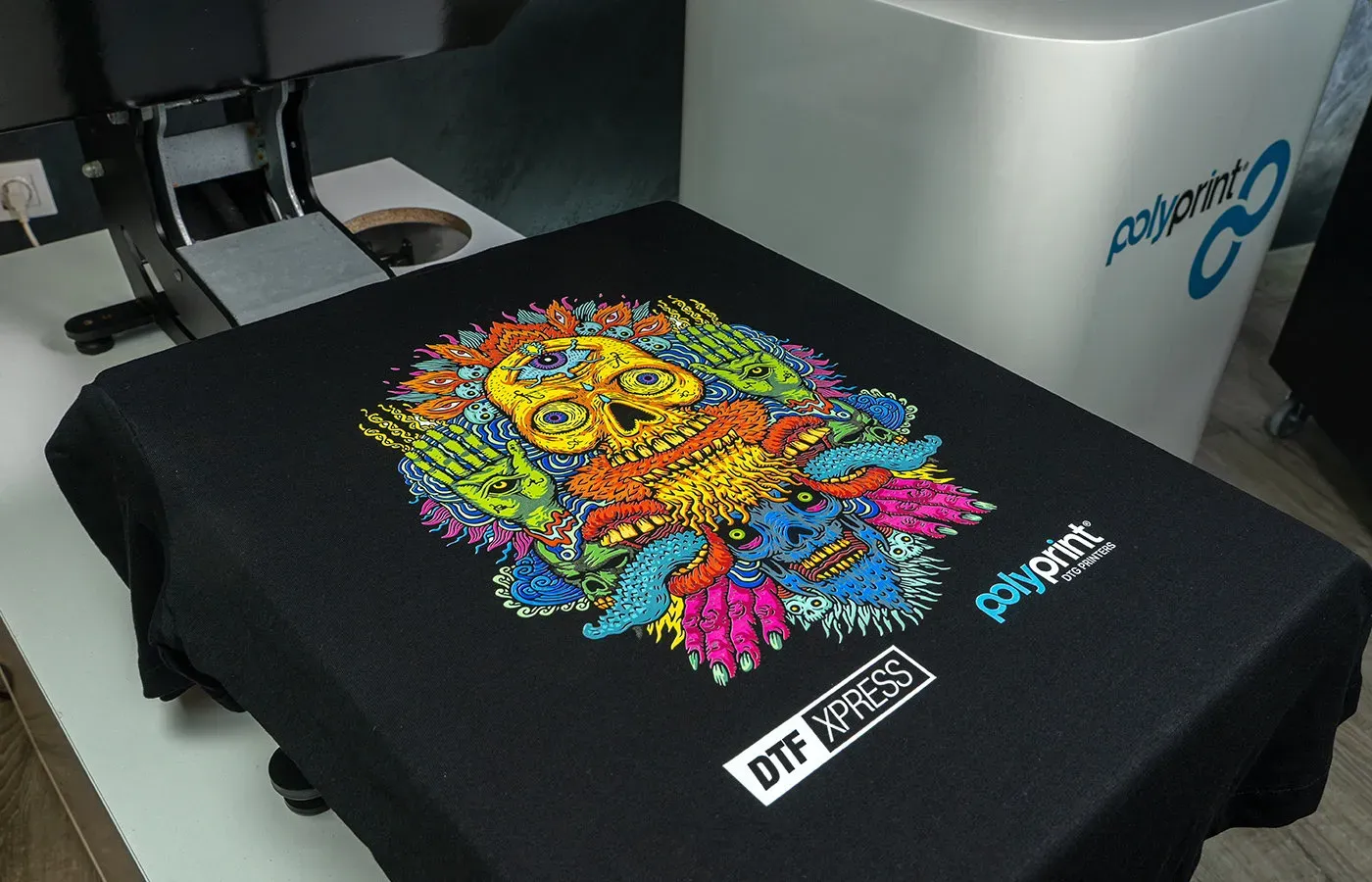
In recent years, DTF printing, or Direct to Film printing, has emerged as a revolutionary technology in the realm of fabric printing. This innovative method allows designers and businesses to transfer intricate designs onto various types of fabrics with unprecedented ease and precision. With its capability to deliver vibrant and durable prints, DTF printing stands out as a top choice for custom fabric printing needs, catering to both large-scale manufacturers and individual creators alike. Furthermore, as more companies seek sustainable printing methods, the eco-friendly nature of DTF technology benefits industries by minimizing waste and maximizing efficiency. This article delves into the exciting world of DTF printing, exploring its advantages, trends, and future prospects.
Also known as Direct to Film printing, this method utilizes advanced fabric printing technology that is changing the landscape of custom printing. The process involves transferring high-resolution designs onto a specialized film before applying them to textiles using a heat press. Among the numerous benefits of DTF technology are its versatility across different fabric types and an impressive color vibrancy that endures washing and wear. As the demand for personalized textile applications rises, this cutting-edge technique is paving the way for more innovative and sustainable printing practices in the industry. Staying informed about these developments can enhance your understanding of contemporary fabric printing solutions.
Understanding DTF Printing: Revolutionizing Fabric Techniques
DTF printing, or Direct to Film printing, is redefining how custom designs are applied to fabrics. This innovative technology utilizes a film as a medium for transferring designs, which is printed with high-resolution water-based inks. Unlike traditional methods, DTF printing allows for intricate detail and vibrant colors that truly stand out on a variety of materials. From cotton to polyester blends, DTF's versatility makes it an appealing choice for manufacturers and designers seeking quality in their fabric applications.
The process begins with the digital artwork being printed onto a special film that’s then coated with an adhesive powder. Once heated and pressed onto the fabric, the design not only adheres strongly but also maintains its vibrancy through multiple washes. This method is not only efficient; it also minimizes waste thanks to its digital nature, reinforcing its position as a sustainable fabric printing solution for the future.
Benefits of DTF Technology in Custom Fabric Printing
One of the most significant benefits of DTF technology is its ability to produce vibrant and long-lasting prints. Businesses that rely on custom fabric printing can leverage this benefit to provide quality products that appeal to a wide range of consumers. The integration of advanced water-based inks allows for a richer color palette, enabling intricate designs that can elevate a brand's appeal in the marketplace.
Moreover, DTF printing supports quick turnaround times, making it ideal for businesses that require speed alongside quality. With the growing demand for personalized items, DTF technology ensures that printing can efficiently adapt to small batches, catering to niche markets and promoting creativity without the restrictions of traditional printing methods.
Sustainability in DTF Printing: The Eco-Friendly Approach
As consumers become increasingly aware of environmental issues, the demand for sustainable printing methods is rising. DTF printing aligns with this trend by utilizing eco-friendly inks and minimizing waste throughout the printing process. By reducing the amount of ink wasted compared to conventional screen printing, DTF users can promote a higher level of sustainability while delivering premium-quality products.
Further innovations in DTF technology are leading manufacturers to adopt more sustainable practices, from the selection of raw materials to the implementation of energy-efficient printers. The focus on sustainability not only attracts environmentally conscious consumers but also positions brands as leaders in responsible production, setting themselves apart in a competitive landscape.
Emerging Trends Shaping the DTF Printing Landscape
As we enter 2024, several emerging trends are shaping the DTF printing landscape. One key trend is the continuous improvement in technology, particularly concerning print head capabilities and ink formulations. These advancements promise enhanced print quality, faster production times, and broader applicability across various fabric types, from apparel to home décor.
Furthermore, the rise of e-commerce and on-demand printing services is fostering a greater market demand for personalization in fabric printing. Businesses are recognizing the opportunity to cater to individualized requests, utilizing DTF technology to meet customer needs effectively. This trend signifies an exciting shift towards customization, elevating the relevance of DTF in the evolving fabric printing industry.
Future Innovations in DTF Printing Technologies
The future of DTF printing rests heavily on the incorporation of cutting-edge technologies, including artificial intelligence and automation. These innovations will streamline production workflows, reduce labor expenses, and enhance overall efficiency for fabric printers. As companies recognize the competitive advantages of integrating modern technology, DTF printing's potential will expand beyond conventional boundaries.
Looking forward, the applications of DTF are set to broaden significantly beyond apparel. Industries such as home textiles, promotional items, and personalized accessories are beginning to explore the capabilities of DTF printing, setting the stage for a wider market reach. This diversification not only improves profitability for businesses but also enhances the fabric printing landscape as a whole.
Maximizing DTF Printing for Small to Medium Businesses
Small to medium-sized enterprises (SMEs) can significantly benefit from adopting DTF printing technology. With lower upfront costs compared to traditional printing methods, SMEs can invest in high-quality equipment that promises high returns on creativity and product diversity. This accessibility empowers smaller businesses to enter the market confidently and produce tailored products efficiently.
Additionally, the flexibility of DTF printing allows these businesses to continually adapt their offerings, responding directly to market trends and consumer preferences. By establishing their brand in the custom fabric printing niche, SMEs can cultivate loyal customer relationships, ensuring sustained success in an increasingly competitive environment.
Frequently Asked Questions
What is DTF printing and how does it work?
DTF printing, or Direct to Film printing, is a modern fabric printing technology that allows designs to be printed onto a special film using water-based inks. The printed design is then transferred to fabric through a heat press, resulting in vibrant, durable prints that can be applied to various materials like cotton and polyester.
What are the benefits of DTF technology for custom fabric printing?
DTF technology offers numerous benefits for custom fabric printing, including versatility across multiple fabric types, the ability to produce bright and long-lasting colors, and reduced ink waste compared to traditional methods. These advantages make DTF printing an efficient choice for businesses seeking high-quality, custom designs.
How does DTF printing contribute to sustainable printing methods?
DTF printing contributes to sustainable printing methods by minimizing ink waste through its digital process, which eliminates the setup and cleanup waste typically seen in traditional printing techniques. Additionally, the use of eco-friendly, water-based inks aligns with the growing consumer demand for environmentally-conscious products.
What materials can I use with DTF printing technology?
DTF printing technology is highly versatile and can be used on a wide range of materials such as cotton, polyester, blends, and even specialized fabrics. This adaptability makes it suitable for various applications including fashion apparel, sports merchandise, and home décor.
How does DTF printing compare to traditional fabric printing methods?
Compared to traditional fabric printing methods like screen printing, DTF printing offers several advantages, including faster setup times, the ability to handle complex designs, and reduced waste. Furthermore, DTF prints maintain vibrant colors and details even after multiple washes, making them a superior option for long-lasting designs.
What trends are shaping the future of DTF printing technology?
The future of DTF printing technology is influenced by trends such as advancements in print head technology, increased market demand for personalized products, and a growing emphasis on sustainability. Additionally, automation and AI integration in production processes are expected to enhance efficiency and reduce labor costs in DTF printing.
| Key Points | Details |
|---|---|
| What is DTF Printing? | DTF printing transfers digitally printed designs onto fabric using a heat press, resulting in vibrant and durable prints. |
| Advantages of DTF Printing | - Versatility across various materials. - Produces bright, lasting colors. - Reduced ink waste compared to traditional methods. |
| Current Trends (2024) | - Ongoing innovations in print technology. - Increased market growth driven by demand for personalized products. - Shift towards sustainability in practices and materials. |
| Future Prospects | - Integration with AI to enhance efficiency. - Expansion into new markets outside of apparel, such as home decor and promotional products. |
Summary
DTF (Direct to Film) printing is a revolutionary technology shaping the future of fabric printing. This innovative method enables high-quality designs to be printed directly onto a variety of fabrics using advanced techniques that ensure vibrant colors and reduced waste. The advantages of DTF printing, such as its versatility, sustainability, and adaptability to new technology, position it as a leader in the printing industry. As we move forward, its growth in personalized applications and its integration of automation suggest a promising future for both businesses and consumers in the fabric printing landscape.