
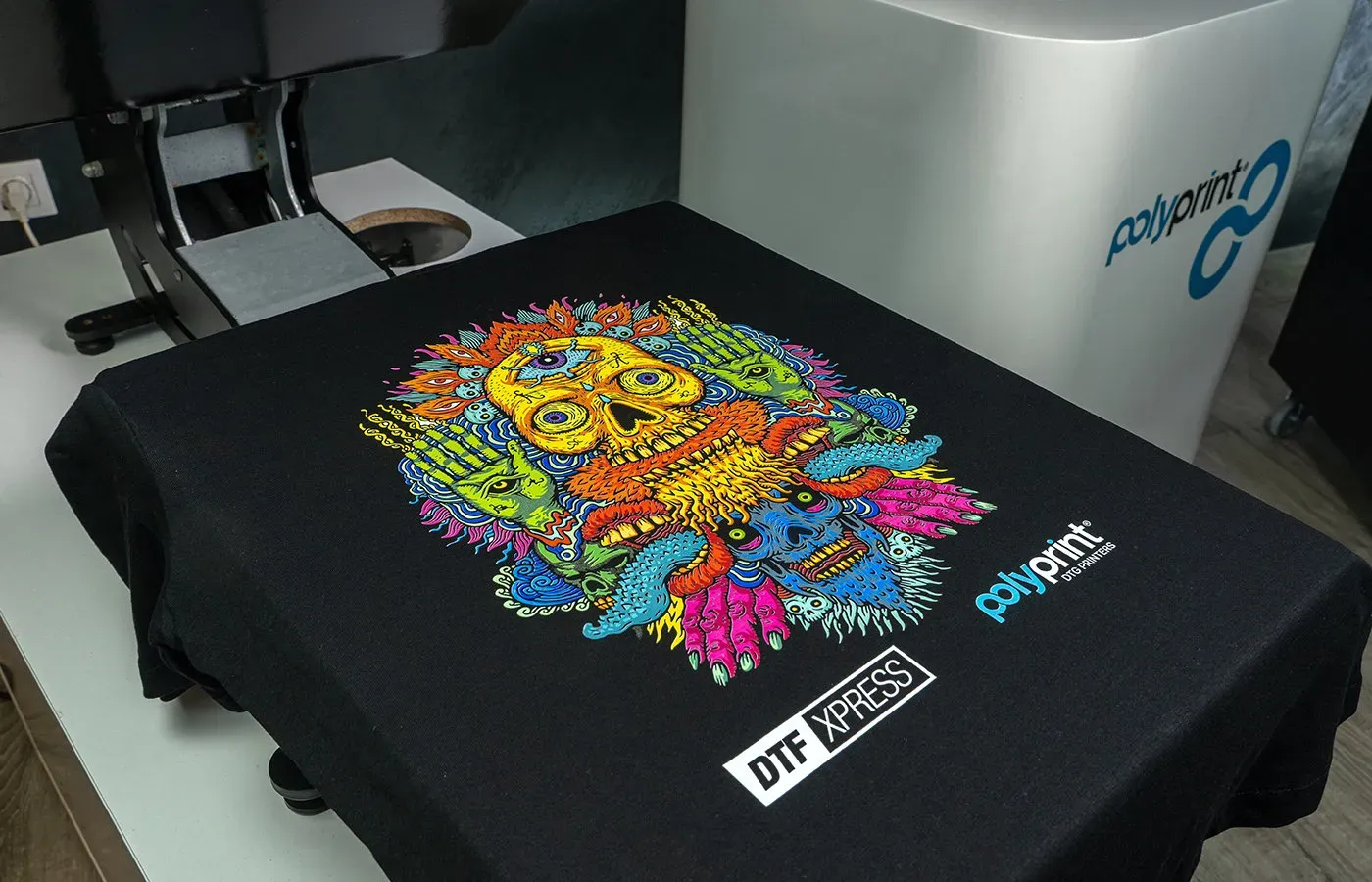
DTF printing, or Direct-to-Film printing, is revolutionizing the fashion industry by providing an innovative and efficient method for custom garment printing. This cutting-edge fashion printing technology enables designers to transfer detailed and vibrant images onto a variety of fabrics with ease, catering to the increasing demand for personalized apparel. By combining speed and quality in the printing process, DTF printing empowers small businesses and independent artists to create unique fashion pieces without the financial strain of traditional methods. Furthermore, as a sustainable fashion solution, DTF printing promotes eco-friendly practices by allowing for smaller production runs, reducing waste and energy consumption. As we explore how DTF printing is transforming garment decoration and design, it becomes evident that this remarkable technology is setting a new standard in the fashion industry.
Known as Direct-to-Film printing, this groundbreaking technique is reshaping the garment industry landscape through its advanced printing capabilities. Also referred to as DTF technology, it allows for exceptionally detailed designs to be printed on various textile materials, marking a significant shift in fashion printing methods. This novel approach offers the fashion industry an exciting avenue for custom clothing, while also addressing the demand for more sustainable practices by enabling low-waste production. As fashion brands adapt to rapidly changing consumer preferences, the versatility and efficiency of DTF printing ensure it remains at the forefront of contemporary fashion production. By embracing this innovative solution, designers can not only enhance their creative expression but also champion a more environmentally conscious approach to garment manufacturing.
The Impact of DTF Printing on Fashion Customization
DTF printing (Direct-to-Film printing) has revolutionized the concept of customization in the fashion industry. This innovative printing technology enables designers to bring their unique visions to life with extraordinary ease and precision. By allowing for individual designs to be printed directly onto various fabric types, DTF offers an unprecedented level of personalization, catering to consumers' desire for one-of-a-kind garments. Because the process is digital, designers can make adjustments to their prints in real time, responding quickly to market trends and customer preferences.
Moreover, the rapid customization capabilities of DTF printing empower small businesses and independent designers, who can now offer a portfolio of unique pieces without the need for large minimum order quantities. This flexibility not only supports creativity but also encourages environmental sustainability, as it significantly reduces waste associated with larger production runs. In an industry where every detail matters, DTF printing stands out as a tool that allows for a deeper connection between designers and consumers, ultimately enhancing the shopping experience.
Cost Efficiency of Direct-to-Film Printing
One of the primary benefits of DTF printing is its cost-effectiveness, particularly for small-scale operations. Traditional printing methods often require substantial start-up costs, including setup for screens and the purchase of bulk materials. In contrast, DTF printing eliminates these financial barriers by allowing designers to print only what they need when they need it. This flexibility not only lowers the initial investment for new designers but also contributes to more efficient production processes, reducing overhead costs in the long run.
The ability to produce small runs or even single items without incurring excessive costs presents a game-changing opportunity for emerging brands in the fashion sector. For instance, a designer can create a limited-edition collection without risking substantial financial loss. As noted in industry publications, this aspect of DTF printing democratizes access to high-quality garment printing, fostering inclusivity and innovation in fashion. Thus, small brands can remain competitive, engaging in bold, artistic endeavors without the weight of financial constraints.
Quality and Versatility in Fashion Printing Technology
DTF printing excels not only in its customization capabilities but also in its commitment to quality and versatility. The prints produced through this method are known for their durability and vibrancy, standing up to the rigors of everyday wear. Because DTF prints can withstand frequent washing while maintaining their aesthetic appeal, apparel makers can confidently assure consumers of the quality of their garments. This resilience makes DTF printing an attractive choice for brands looking to offer high-quality products.
Furthermore, the versatility of DTF printing technology allows it to be used across a spectrum of fashion applications. From high-end streetwear to promotional items, this technique can adapt to various fabrics, including cotton, polyester, and blends. As designers explore new trends and fabric choices, DTF printing ensures they have the necessary tools to create diverse collections. This adaptability is crucial in keeping pace with swiftly changing consumer preferences in the dynamic world of fashion.
Sustainability Challenges and Innovations in DTF Printing
While DTF printing presents remarkable advantages, it also raises pertinent questions regarding its environmental impact. The inks and films utilized in the DTF process can result in sustainability concerns, particularly as the fashion industry increasingly strives for eco-friendliness. As awareness of these environmental challenges grows, brands and manufacturers are pressured to seek sustainable solutions that minimize their ecological footprints. This demand for responsibility initiates a wave of innovation, pushing for the development of biodegradable films and non-toxic inks.
Organizations such as the Sustainable Apparel Coalition are advocating for these advancements, promoting research and practices that align with industry sustainability goals. The emergence of eco-friendly alternatives in DTF printing not only addresses consumer concerns but also positions brands as leaders in the movement towards sustainable fashion. By integrating sustainability into their DTF printing processes, companies can both contribute to environmental preservation and appeal to the conscientious consumer.
Global Adoption and the Future of DTF Printing
The global expansion of DTF printing is indicative of a shifting paradigm in fashion production, particularly in emerging markets. As the demand for customized and sustainable garments increases, many designers are embracing DTF printing as a viable solution for producing high-quality, on-demand apparel. This technology's ability to facilitate individualized production makes it particularly appealing in regions where traditional methods may not be feasible or cost-effective.
Furthermore, as digital printing technologies continue to advance, the potential for DTF printing to democratize fashion production becomes increasingly apparent. Designers worldwide can leverage this technique to cater to diverse consumer needs and preferences seamlessly. Fashion Tech News highlights this trend, underscoring DTF printing's role in shaping the future of fashion, where accessibility, personalization, and sustainability converge to meet modern demands.
The Future of Fashion with DTF Printing
As the fashion industry evolves, the potential of DTF printing to reshape garment production and design cannot be overstated. This technology stands at the forefront of fashion innovation, allowing for unprecedented personalization and rapid production capabilities. As brands and designers increasingly adopt DTF printing, they will likely explore even more creative applications, leading to a vibrant landscape of fashion that celebrates individuality.
Looking ahead, the sustained emphasis on sustainability will further catalyze innovations in DTF printing technology. By addressing environmental concerns through responsible practices and materials, the industry will not only enhance its credibility but also align itself with the growing expectations of consumers who prioritize eco-conscious choices. Ultimately, DTF printing embodies the intersection of fashion, technology, and sustainability, paving the way for a future where creativity thrives sustainably.
Frequently Asked Questions
What is DTF printing and how does it work?
DTF printing, or Direct-to-Film printing, is a modern garment printing technique that transfers designs onto fabrics using a special film and heat press. The process involves printing the design onto a film, applying an adhesive, and then heating it to adhere the image to the fabric. This method allows for vibrant colors and detailed images on various materials.
How does DTF printing support rapid customization in the fashion industry?
DTF printing facilitates rapid customization by allowing designers to quickly produce personalized fashion items. This technology enables small batches or even single items to be printed with short turnaround times, giving independent designers a competitive edge to swiftly respond to market trends and customer preferences.
What are the cost advantages of DTF printing for small fashion businesses?
DTF printing offers significant cost advantages for small fashion businesses as it allows for low minimum order quantities and reduced production costs. Unlike traditional printing methods, which often require extensive setups, DTF printing can handle small runs economically, making high-quality custom garment printing accessible to more designers.
Is DTF printing environmentally sustainable compared to other printing methods?
While DTF printing has raised some environmental concerns regarding its inks and films, there is a growing effort in the industry to adopt sustainable practices. Innovations like biodegradable films and non-toxic inks are being developed, aiming to minimize DTF printing's environmental impact and align with sustainable fashion goals.
What types of fabrics can be printed using DTF technology?
Direct-to-Film printing is versatile and can be used on various fabrics, including cotton, polyester, and fabric blends. This adaptability means that DTF printing can cater to an array of fashion items—from everyday apparel to specialty pieces—making it a preferred option for designers across different segments.
How is the DTF printing market evolving globally?
The global expansion of DTF printing is rising, particularly in emerging markets where custom garment production is gaining popularity. As demand for personalized fashion increases, more designers are embracing DTF printing, which democratizes fashion production and allows brands to effectively meet diverse consumer needs.
| Key Point | Details |
|---|---|
| Definition and Process | DTF printing uses a film and heat press to transfer designs onto fabric, combining digital and traditional printing benefits. |
| Rapid Customization | Enables quick responses to fashion trends and personalization of items for customers. |
| Cost-Effective Solutions for Small Runs | Allows small brands to produce low quantities without significant upfront costs. |
| Quality and Versatility | Produces durable, vibrant prints suitable for diverse apparel types. |
| Sustainability Considerations | Focus on developing eco-friendly inks and films to minimize environmental impact. |
| Global Expansion | Gaining traction in emerging markets with a preference for custom garment production. |
Summary
DTF printing is transforming the fashion industry by offering cutting-edge technology that combines swift customization with high-quality output. This innovative method allows designers to produce vibrant, detailed prints on a variety of fabrics, catering to the growing demand for personalized items. As DTF printing continues to evolve, it addresses vital sustainability concerns while enabling small brands and emerging designers to enter the market with cost-effective solutions. Its versatility and adaptability position it as a driving force in modern fashion, fostering creativity and individual expression across diverse consumer needs.