
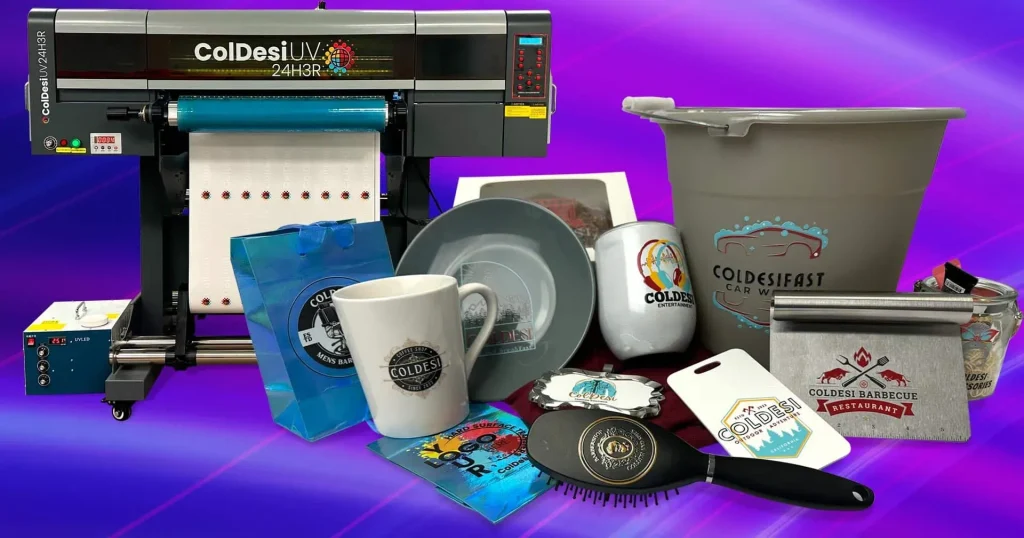
UV DTF printing is emerging as a game-changer in the world of custom apparel, providing businesses with vibrant, long-lasting designs that stand out in the competitive fashion market. This innovative technique utilizes ultraviolet inks, which cure instantly, allowing for rapid production and intricate detailing that elevates apparel printing trends. As sustainability becomes a focal point for consumers, UV DTF printing offers eco-friendly solutions that reduce environmental impact while meeting the demand for customized clothing. With its potential to transform the future of fashion printing, this technology not only enhances durability but also expands possibilities across various fabric types. Join the revolution as we explore how UV DTF printing is setting new standards in the apparel industry and shaping personalized fashion for tomorrow.
The landscape of modern printing is evolving with techniques like UV direct-to-film printing, also known as UV DTF technology, which merges advanced printing methods to deliver stunning results. This approach to fabric decoration enables designers to create intricate and bold designs that endure the test of time, perfectly aligning with the latest apparel printing trends. The rise of this innovative process highlights a growing focus on sustainable printing methodologies, appealing to environmentally conscious consumers. As the demand for unique and customizable fashion pieces continues to surge, UV DTF printing is positioned at the forefront of the future of fashion printing. Discover how these groundbreaking advancements are reshaping custom apparel and paving the way for fresh innovations in textile design.
Exploring the Mechanics of UV DTF Printing
UV DTF printing is a unique fusion of two technologies: direct-to-film and ultraviolet curing. The process starts with printing vibrant designs onto a specialized transfer film using UV-cured inks. This method not only ensures that colors remain bright and true but also provides a robust bond between the design and the fabric. When heat is applied to transfer the print from film to textile, the UV inks cure instantly, bringing a level of precision and quality that is redefining standards in custom apparel. This instant curing property enables faster production times, making it ideal for businesses that require rapid fulfillment of orders.
In recent years, the mechanics of UV DTF printing have evolved to incorporate automated processes and digital technologies, enhancing accuracy and decreasing waste. This synergy with technology does not just streamline production; it reduces the learning curve for operators, facilitating a smoother transition to high-tech printing capabilities. As a result, businesses are empowered to offer unique designs that cater to current trends in apparel, particularly in a market leaning towards individuality and self-expression.
The Eco-Friendly Benefits of UV DTF Printing
Sustainability has become a crucial concern within the fashion industry, and UV DTF printing offers a viable solution. Unlike conventional printing methods that often release high volumes of volatile organic compounds (VOCs) into the atmosphere, UV DTF is designed to emit significantly lower levels. This reduction not only meets stringent environmental regulations but also aligns with the increasing consumer demand for eco-friendly products. By investing in UV DTF, businesses can transparently communicate their commitment to sustainability and appeal to a growing demographic of environmentally conscious consumers.
Furthermore, the UV DTF printing process requires less water compared to traditional methods, adding an extra layer of environmental friendliness. The focus on sustainable practices pairs harmoniously with the rising trend of custom apparel, positioning companies that utilize UV DTF printing as pioneers of responsible fashion. This alignment is increasingly crucial as brands strive to authentically connect with their eco-aware audience while promoting sustainable fashion initiatives.
Current Trends in the Custom Apparel Market
The custom apparel market is evolving rapidly, with trends shifting towards personalized and unique fashion statements. One of the most prominent trends is the rise of on-demand printing solutions, and UV DTF printing perfectly fits this model. The capacity for short production runs and customization means businesses can respond quickly to consumer demands for tailored garments, thus minimizing waste and inventory costs. This flexibility is becoming a key selling point, especially as the new generation of consumers seeks unique and bespoke clothing options.
From streetwear to corporate uniforms, the reach of UV DTF printing stretches across diverse industry segments. Fashion brands are increasingly leveraging this technology to create signature pieces that resonate with their audience. Custom apparel trends are evolving, emphasizing individuality and expression; as a result, designers are utilizing UV DTF capabilities to play with color, texture, and designs that push traditional boundaries. This creative freedom further fuels the popularity of UV DTF in the apparel industry.
Navigating Challenges: The Barriers to UV DTF Printing Adoption
Despite its numerous advantages, UV DTF printing faces challenges that may hinder broader implementation. One significant barrier is the initial cost of equipment, which can be a deterrent for small businesses looking to transition from conventional methods. Investing in high-quality printers and inks demands considerable financial resources, and many startups struggle to allocate the necessary budget. However, as technology advances, we anticipate a decrease in wholesale prices, making UV DTF more accessible for smaller operations.
Additionally, the learning curve associated with operating UV DTF equipment can be steep. Employees must be adequately trained to handle this advanced technology, which can further complicate the adoption process. Companies must invest not only in hardware but also in training programs to maximize the potential of their UV DTF capabilities. Despite these hurdles, the long-term benefits of adopting this innovative printing technology may outweigh the initial challenges, paving the way for future growth in customized apparel.
The Future of Fashion Printing: UV DTF’s Role in Innovation
The future of fashion printing is set to be transformed by the capabilities of UV DTF printing. As digital technology continues to evolve, integrating advancements such as artificial intelligence and machine learning could further streamline the production process, enhance design capabilities, and reduce errors. These innovations will enable brands to react in real time to the ever-changing fashion landscape, maintaining their competitiveness in a dynamic market. UV DTF printing’s inherent versatility places it at the forefront of these advancements, aligning with trends that prioritize personalization and uniqueness.
Moreover, the endless design possibilities afforded by UV DTF printing are inspiring a new wave of creativity among designers. As fabrics and materials diversify, the application of UV DTF technology will expand, enhancing not just clothing, but also accessories and home textiles. This broadened scope indicates that UV DTF printing is not just a trend, but a cornerstone technology that will shape the future of the fashion industry as it adapts to consumer needs for customization and sustainability.
Harnessing UV DTF Printing for Special Events and Corporate Branding
UV DTF printing is ideally suited for special events and corporate branding, offering a reliable solution for companies aiming to create memorable experiences. Whether it’s custom T-shirts for a charity run, unique jerseys for a sports team, or branded apparel for corporate events, the vivid colors and durability of UV DTF prints ensure that the designs stand out. The quick turnaround times provided by this printing technology allow for last-minute orders, giving businesses the flexibility to respond to event needs as they arise.
Additionally, UV DTF printing enhances branding initiatives by allowing companies to showcase their logos or messages on various fabrics and items. The durability of UV prints means the branded items maintain their quality over time, reinforcing brand visibility and recognition. As businesses increasingly seek ways to differentiate themselves in a competitive market, utilizing UV DTF for promotional merchandise is becoming commonplace, enhancing both customer engagement and loyalty.
Frequently Asked Questions
What are the benefits of using UV DTF printing in custom apparel?
UV DTF printing offers several benefits for custom apparel, including superior durability due to UV-cured inks, versatility across various fabrics, and an eco-friendly solution with low VOC emissions. This makes it ideal for designers aiming to create vibrant and lasting designs on textiles.
How does UV DTF printing compare to traditional DTF printing technology?
Unlike traditional DTF printing, UV DTF printing uses ultraviolet inks that cure instantly, resulting in quicker production times and more robust prints. This method is more adaptable to various fabric choices, making it a preferred option for custom apparel in today’s market.
Is UV DTF printing a sustainable option for apparel printing trends?
Yes, UV DTF printing aligns well with sustainable printing trends. It emits significantly lower levels of volatile organic compounds (VOCs) compared to traditional printing methods, appealing to environmentally conscious consumers and meeting modern industry standards.
What industries benefit from the future of UV DTF printing technology?
The future of UV DTF printing technology will significantly benefit industries such as fashion, sports apparel, and promotional products. Its ability to deliver custom designs rapidly and economically makes it ideal for businesses looking to meet evolving customer demands.
What challenges do businesses face when adopting UV DTF printing for custom apparel?
Businesses may face challenges such as high initial equipment costs and the need for specialized training to operate UV DTF printers effectively. However, ongoing advancements in technology are expected to make these barriers less daunting over time.
How can UV DTF printing enhance personalization in the custom apparel market?
UV DTF printing enhances personalization by allowing businesses to create intricate, customized designs for a wide range of applications, from corporate branding to personalized clothing for events. This capability makes it a powerful tool for meeting individual customer preferences.
| Aspect | Details |
|---|---|
| What is UV DTF Printing? | A combination of direct-to-film and UV printing that provides vibrant, durable designs on textiles. |
| Advantages | 1. Superior Durability: Strong bond with fabric, resistant to fading and wear. 2. Versatility: Applicable on various fabrics, including cotton, polyester, and blends. 3. Eco-Friendly: Lower VOC emissions than traditional inks. |
| Key Developments | 1. Technology integration: Enhancing efficiency with digital workflows. 2. Market growth: Projected to reach $400 billion by 2026 in the custom apparel sector. 3. Niche opportunities: Short runs and customization for branding, sports, and personalized products. |
| Challenges | 1. High initial costs: Equipment can be expensive for small businesses. 2. Skill requirements: Specialized training needed to operate the technology. 3. Continuous innovation: Ongoing research in ink and printing techniques. |
| Future Applications | 1. Fashion: Unique patterns and colors for designers. 2. Promotional products: Custom apparel for branding. 3. Special events: Custom designs for personal and team use. |
Summary
UV DTF printing is a groundbreaking advancement in the custom apparel sector, offering brands and businesses a durable, versatile, and eco-friendly solution for clothing design. As customer preferences shift towards personalized experiences, this printing technology meets those demands with its ability to create intricate, vibrant designs on a variety of fabrics. The future of UV DTF printing looks promising, with projections indicating exponential growth in the market and a continuous push towards innovative applications, making it a key player in the fashion industry.