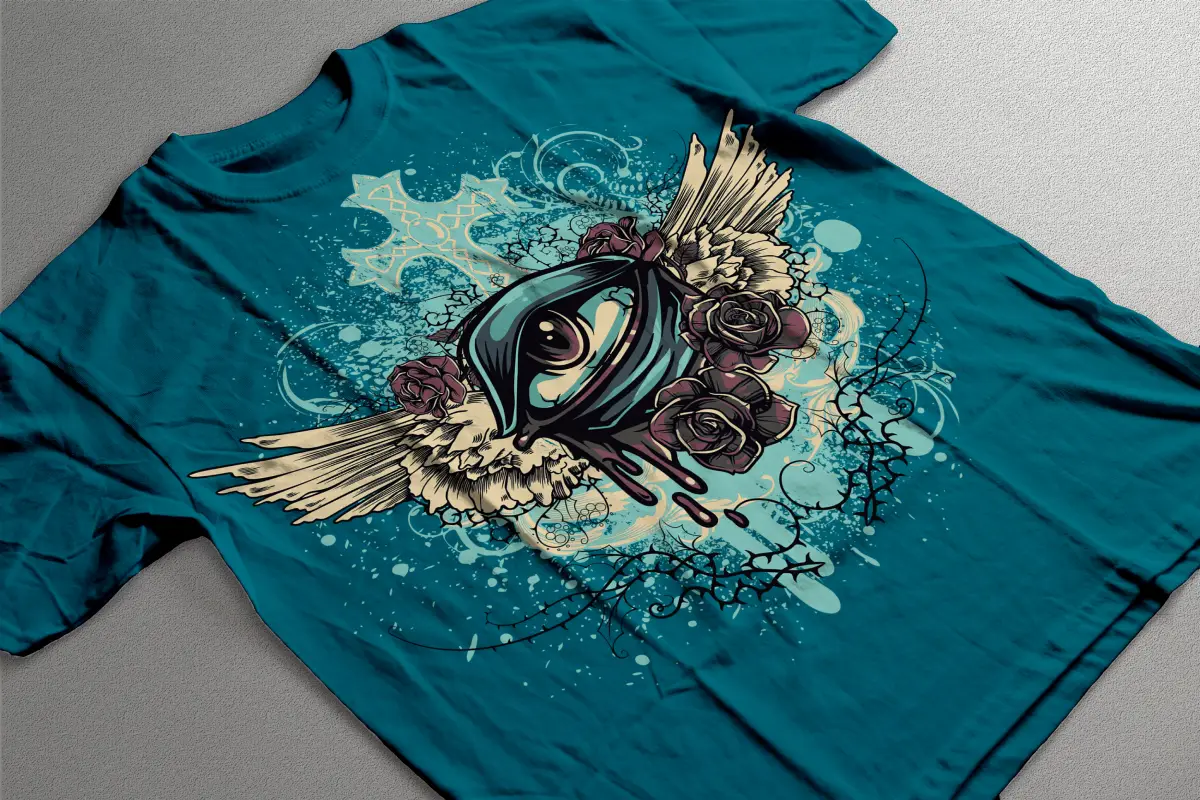
The apparel decoration landscape has shifted dramatically, forcing print shops and independent fashion designers to rethink how they produce custom garments. For years, creators had to choose between the high setup costs of screen printing or the rigid, thick texture of vinyl cutouts. Today, the rise of high-quality
dtf transfers has broken those barriers down entirely, giving custom apparel businesses the power to print highly intricate, full-color designs onto almost any fabric substrate with remarkable speed and efficiency.
Whether you run an established clothing line, a local sports merchandise shop, or a boutique design studio, maintaining production flexibility is essential for long-term survival. Embracing commercial-grade
DTF technology allows you to streamline your supply chain, handle small-batch custom requests profitably, and deliver retail-ready clothing that captivates consumers. In this comprehensive playbook, we will dive deep into the technical specifications, mechanical variables, and operational strategies required to master this modern print system and grow your bottom line.
The Chemistry of Multi-Layered Textile Fusing
To understand why this digital production method delivers such exceptional results, one must look closely at the mechanical science behind the transfer sheet. Unlike traditional direct printing methods that deposit raw ink straight onto porous fabric fibers, this workflow builds a structurally sound, multi-layered graphic emblem on a temporary plastic release carrier before any heat is applied.
The manufacturing process begins with a specialized polyethylene terephthalate film that is treated with a microscopic matte release coating. An advanced digital inkjet printer deposits cyan, magenta, yellow, and black water-based ink droplets onto the film surface to replicate your digital artwork file with absolute photographic precision. Crucially, the machine instantly layers a solid, dense coat of white ink directly over the colored graphics, creating an opaque foundation that completely isolates the design colors from the underlying tone of the garment.
While the white backing ink remains completely wet, a specialized thermoplastic polyurethane powder is applied evenly across the surface. This unique adhesive powder clings exclusively to the wet ink zones, while any excess particles are shaken away mechanically. The sheet then passes through a curing zone where thermal elements melt the powder granules into a solid, flexible, rubberized barrier. This resulting barrier bonds permanently with the ink, creating a stretchable emblem that is perfectly prepped for thermal application onto your chosen textiles.
Thermal Fusing Calibration: Balancing Heat, Time, and Force
Achieving a commercial-grade bond that outlasts the structural integrity of the garment itself requires precise calibration of your workspace machinery. Even the finest raw printing materials will suffer from edge lifting or premature fading if your application variables are misconfigured. Let us examine the fundamental physical metrics required to secure an elite retail finish.
- Temperature Control: Most premium setups operate optimally between two hundred and ninety and three hundred and twenty degrees Fahrenheit. Sensitive synthetic textiles require lower heat settings to prevent fabric scorching, whereas heavy canvas or dense cotton can withstand higher temperatures to ensure deep adhesive penetration.
- Mechanical Compression: Medium to firm structural pressure is absolutely non-negotiable. The mechanical force of your heat press drives the liquefied polyurethane adhesive matrix deep into the microscopic spaces between the individual textile yarns, locking the graphic into the weave.
- Time Duration: The initial heat cycle must be sustained for twelve to fifteen seconds. This precise window gives the thermoplastic backing sufficient time to liquefy fully and intertwine with the textile threads before cooling.
Optimizing Local Sourcing to Prevent Production Bottlenecks
For independent apparel entrepreneurs operating on tight delivery schedules, unexpected supply chain disruptions can heavily impact client retention. When a corporate client requests an urgent batch of custom promotional apparel, waiting days or weeks for overseas shipping transit is simply not an option. This exact operational challenge is why so many modern shop owners actively search for premium
dtf transfers near me to establish immediate, localized supply networks.
Partnering with a nearby, reliable manufacturing facility completely removes international shipping risks and slashes transit turnarounds down to mere hours. Establishing a close geographical partnership allows print professionals to scale their operations organically, fulfill last-minute client requests without carrying massive inventory overhead, and maintain consistent quality control metrics through every season of business growth.
Leveraging Elite Printing Power Within the Texas Hub
Texas has fast become a highly competitive battleground for independent apparel brands, industrial workwear suppliers, and custom merchandise companies. For organizations working within these fast-moving southern commerce sectors, securing the
best dtf transfer at Houston production facilities ensures your finished goods display the vibrant color profiles and robust durability that modern retail shoppers demand.
The intense environmental factors of the region, including high heat index levels and frequent humidity shifts, mean that custom garments must possess extreme structural resilience. Utilizing a professional
Houston dtf transfer provider gives local creators access to advanced, wash-tested adhesive formulas that endure heavy physical wear and frequent laundering cycles without showing signs of premature cracking, surface peeling, or color degradation under the southern sun.
Digital Graphic Blueprinting for Flawless Transfer Output
Modern print machinery can reproduce incredibly delicate gradient blends and complex typographic details, but the physical nature of heat-applied films requires strict adherence to digital design rules. Ensuring your creative project files are properly prepared prevents printing errors and maximizes the visual impact of your apparel line.
All creative graphic files must be exported at a minimum resolution of three hundred dots per inch matching the exact physical dimensions of the intended print. Your design workspace background must be completely transparent; stray semi-transparent pixels or soft shadows will cause the printer to apply white backing ink, creating messy, unappealing borders on the pressed garment. Additionally, any text strokes or isolated graphical lines should maintain a minimum thickness of 0.02 inches. Microscopic details thinner than this mark do not possess enough surface surface area to retain an adequate coat of adhesive powder, which causes those fine design elements to peel away during the film removal process.
Frequently Asked Questions
What separates a hot peel transfer film from a cold peel alternative?
The distinction depends entirely on the chemical composition of the release agents applied to the plastic film sheet. Hot peel films allow you to pull the plastic carrier sheet away immediately after the press cycles down, which drastically speeds up large-scale commercial assembly lines. Cold peel films require the entire garment to cool completely to room temperature before removal, ensuring maximum security for ultra-fine details and highly sensitive synthetic fabrics.
Can I safely apply these digital film graphics onto nylon jackets or rainwear?
Applying standard transfers onto fabrics pre-treated with durable water repellent coatings or heavy industrial waterproofing chemicals is generally not recommended. The chemical barrier prevents the liquid polyurethane adhesive from sinking into the underlying textile fibers, resulting in a weak bond. For specialized outerwear, always coordinate with your production partner to use specialized, high-bond adhesive powders engineered specifically for coated synthetics.
How can I avoid dye migration issues on dark polyester sportswear?
Dye migration occurs when the high heat of a press causes the volatile dyes inside synthetic fabrics like polyester to vaporize and bleed upward into the white backing ink of your design. To combat this issue, you should lower your press temperatures or utilize specialized carbon-backed blocking films that establish a physical protective wall between the synthetic fabric dyes and the decorative surface pigments.
Are the materials used in this digital process safe for baby clothing lines?
Yes, premium commercial transfers are manufactured using eco-friendly, water-based inks and non-toxic hot-melt polyurethane adhesive powders that contain no heavy metals or harmful volatile organic compounds. This clean chemical makeup ensures that the decoration method is fully safe for infant apparel, matching family sets, and daily children wear without risking skin irritation.
Accelerating Your Business Trajectory with Harwin DTF
Succeeding in the modern custom apparel industry demands a production strategy that blends exceptional speed, absolute design freedom, and rigorous build quality. By integrating high-performance digital film transfers into your everyday workshop logistics, you escape the restrictive order minimums and exhausting setup procedures that traditional methods demand. Harwin DTF serves as your dedicated industrial manufacturing ally, delivering the flawless color precision, rapid shipping response times, and extreme wash durability needed to protect your market share. Let Harwin DTF handle the intricate technical demands of print logistics so you can focus your focus on designing beautiful collections, driving high-impact marketing campaigns, and expanding your brand influence.