
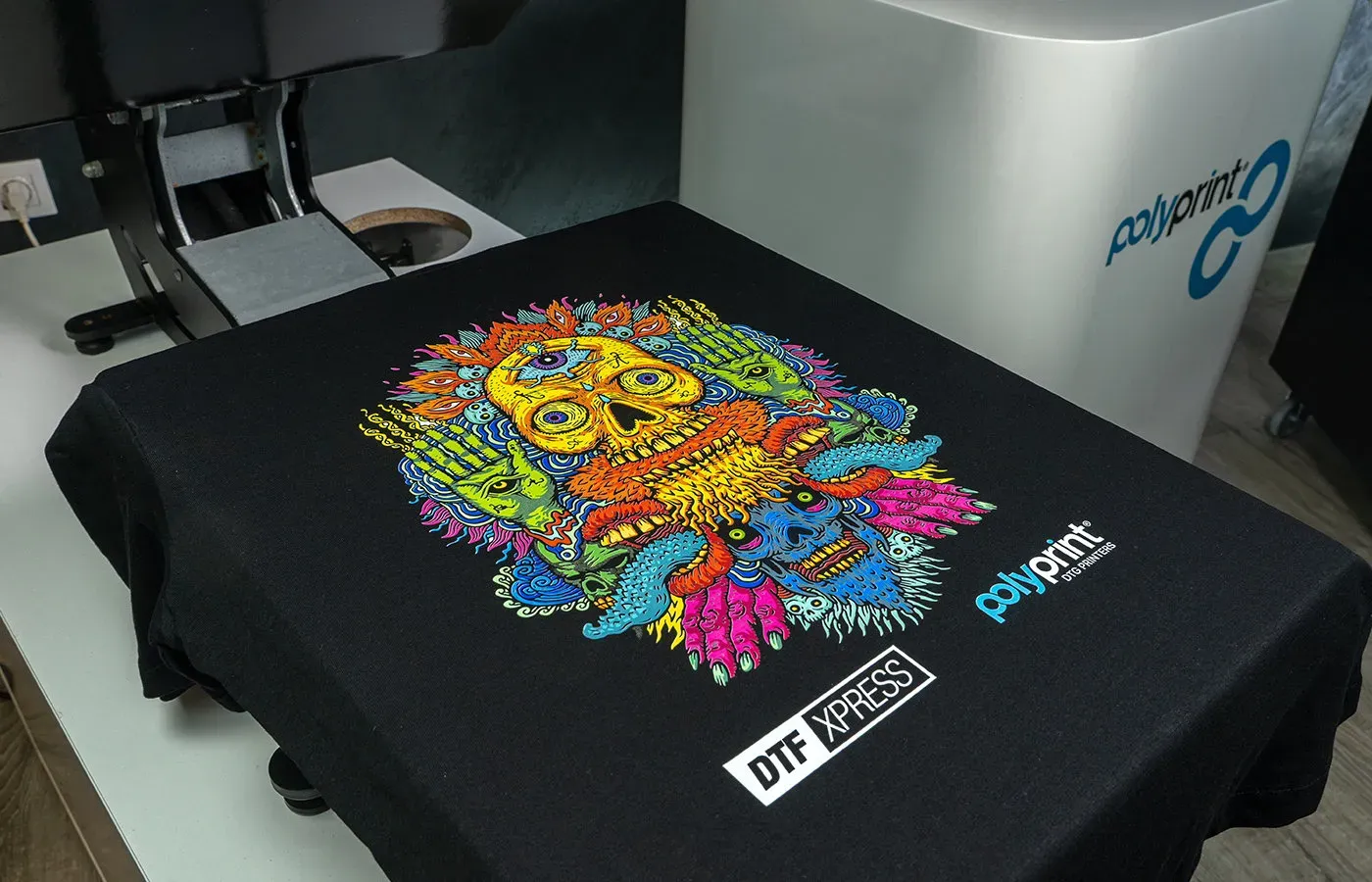
DTF printing, or Direct-to-Film printing, is the latest innovation revolutionizing the textile industry with its remarkable versatility and efficiency. This cutting-edge method allows intricate designs to be easily printed onto special films, which are then transferred onto various fabrics, creating vibrant and durable prints for custom apparel. As businesses increasingly seek cost-effective printing solutions, DTF technology emerges as a premier choice, able to fulfill the demanding needs of both short and long runs. With the ability to work on multiple textile materials such as cotton and polyester, DTF printing is expanding opportunities for custom apparel printing. In this guide, we will delve into the endless possibilities presented by DTF printing, its advantages, and how you can effectively incorporate this transformative technology into your business.
Engaging with innovative techniques in apparel decoration, Direct-to-Film printing is quickly becoming a go-to solution for businesses aiming to enhance their product offerings. This advanced printing process utilizes a unique film application, providing quality prints that can appeal to diverse customer preferences. Not only does it enable exceptional detail and color vibrancy, but it also promotes efficient production times, making it ideal for personalized merchandise and bulk orders alike. As textile printing innovations continue to develop, methods like DTF are at the forefront, offering businesses versatile and economical options for creating high-quality designs. Embracing such technologies ensures that companies remain competitive in the evolving landscape of custom garment production.
Understanding DTF Printing Technology
DTF printing, or Direct-to-Film printing, represents a significant evolution in the world of textile printing. This innovative technique involves printing high-quality designs onto a special film, which is then transferred onto fabrics using a heat press. Unlike traditional printing methods that often require multiple steps and extensive setup, DTF technology streamlines the process making it accessible for both large and small-scale operations. By leveraging advances in digital printing technology, DTF enables businesses to produce intricate, colorful designs that can be applied to a wide variety of materials, from cotton t-shirts to polyester blends.
Another notable aspect of DTF printing is its adaptability to different printing demands. Businesses can order small batches without prohibitive costs associated with traditional techniques, making it an attractive option for custom apparel printing. The versatility of DTF allows for designs to be printed with precise detail and vibrant colors while maintaining excellent durability in the final product. As customer preferences evolve towards personalization and customization, DTF printing offers a solution that not only meets these needs but also introduces a level of efficiency and quality that was often hard to achieve with older printing methods.
Advantages of DTF Printing for Businesses
The advantages of DTF printing are vast and appeal strongly to businesses looking to optimize their production processes. One major benefit is versatility; DTF printing works well with an extensive array of fabrics, enabling companies to diversify their product offerings substantially. From promotional clothing items to personalized merchandise, DTF printing can produce high-quality results across different textile types. This adaptability helps businesses respond quickly to market trends, offering unique customizations that satisfy customer demands.
In terms of cost-effectiveness, DTF printing shines by reducing setup costs typically associated with traditional screen printing. Businesses no longer have to invest heavily in expensive equipment for small orders; instead, DTF allows them to fulfill even the smallest batch requirements efficiently. Moreover, high-quality prints result in customer satisfaction, fostering repeat business and enhancing brand loyalty. By choosing DTF technology, businesses position themselves competitively within the crowded textile market, drawing attention not just for the range of products available but also for the superior quality and vibrant prints that DTF printing delivers.
Recent Innovations in DTF Technology
The landscape of DTF printing is continually evolving, driven by recent technological advancements that enhance its capabilities. One of the most exciting developments is the improvement in ink formulations, which not only offer better color vibrancy but also enhanced durability and wash resistance. Eco-friendly inks are becoming increasingly popular as sustainability in printing circles gains momentum, allowing businesses to appeal to environmentally conscious consumers while maintaining high-quality output.
In addition to ink innovations, the advent of state-of-the-art equipment has streamlined the DTF printing process further. Features such as automatic film cutting and dual-head printing systems significantly increase production speed and efficiency. As DTF printing equipment becomes more user-friendly, even small businesses and startups can adopt this technology without a steep learning curve. This democratization of advanced printing capabilities means that a wider range of entrepreneurs can enter the market, driving innovation and creativity in custom apparel and promotional item production.
Challenges Faced with DTF Printing
Despite the numerous advantages of DTF printing, businesses must navigate several challenges when implementing this technology. One of the primary concerns is the initial investment; while operating costs are generally lower, the upfront expenditure for high-quality DTF printers and necessary supplies can be significant. As a result, businesses should conduct careful market research and budget planning to determine if investing in DTF technology aligns with their overall financial strategy.
Another challenge lies in mastering the DTF printing process. Although it is simpler than traditional methods, there is still a learning curve, particularly regarding fabric compatibility and transfer techniques. Different materials react differently to the printing process, influencing adhesion and color vibrancy. As a solution, companies could consider continuous training or hiring experienced staff to ensure that they maximize the efficiency and quality of their DTF printing operations. Addressing these challenges proactively will prepare businesses to leverage the full potential of DTF technology.
Effective Strategies for Implementing DTF Printing
When considering the integration of DTF printing into your business, strategic planning is crucial. First, thorough research on available DTF printing equipment and suppliers is essential. Investing in reliable printers from reputable manufacturers will not only ensure high-quality prints but also provide necessary customer support during the learning process. Evaluating options based on factors such as warranty, maintenance, and overall cost will help businesses make informed investments.
Starting small can also enhance the implementation experience. By initially focusing on smaller projects, businesses can familiarize themselves with DTF technology and build their confidence. This incremental approach allows companies to refine their processes and experiment with various designs before scaling up production. Emphasizing quality while learning will help businesses maintain customer satisfaction and establish a solid market presence, crucial for standing out amidst the competition.
Marketing DTF Printing Services Effectively
In a market bustling with printing options, effectively marketing DTF printing services is essential for attracting customers. Businesses must highlight the unique benefits and capabilities DTF printing provides, such as its ability to produce vivid colors, intricate designs, and the versatility to work with various textile materials. Marketing strategies should focus on storytelling—showcasing how DTF technology allows for customization and personalization that meets specific customer needs.
Additionally, employing social media platforms and e-commerce websites can significantly enhance visibility. Businesses can showcase their products through eye-catching imagery and customer testimonials to bolster credibility. Running targeted advertising campaigns that spotlight the benefits of DTF printing will capture the attention of potential clients. These tactics will allow businesses to create a distinct identity that resonates with consumers searching for quality and innovation in custom apparel printing.
Frequently Asked Questions
What is DTF printing and how does it work?
**DTF printing**, or Direct-to-Film printing, is a method that transfers designs onto textiles using heat. The process involves printing designs on a special film which is then heat-pressed onto the chosen fabric. This allows for detailed and vibrant prints on various textile types such as cotton and polyester.
What are the advantages of using DTF printing for custom apparel?
DTF printing offers numerous advantages for **custom apparel printing**, including cost-effectiveness, versatility across different fabric types, and high print quality. It allows businesses to accommodate small orders efficiently without compromising on durability or color vibrancy.
How does DTF technology compare to traditional screen printing?
Unlike traditional screen printing, DTF technology eliminates the need for multiple screens and requires less setup time. This not only reduces costs for smaller batches but also enables more intricate designs and faster turnaround times.
What are the recent developments in DTF printing technology?
Recent **textile printing innovations** in DTF printing include advanced ink formulations that enhance wash resistance and sustainability, as well as improved printer features like automatic film cutting, which streamline the production process and reduce time and costs.
What should businesses consider before investing in DTF printing?
Businesses should evaluate their initial investment budget for printers and supplies, as DTF printing equipment can require substantial upfront costs. Additionally, understanding the learning curve associated with different fabrics will help ensure a smoother transition to DTF technology.
How can DTF printing be incorporated into a business strategy?
To effectively incorporate DTF printing, businesses should start with smaller projects to learn the process and gradually expand their offerings. Leveraging marketing strategies that highlight the unique features of DTF printing can help differentiate their products in a competitive market.
| Key Points | Details |
|---|---|
| What is DTF Printing? | A printing process where designs are printed onto a special film and then transferred to textiles using heat. |
| Advantages of DTF Printing | Includes versatility, cost-effectiveness, high quality, and ease of use. |
| Recent Developments | Improved inks, advanced equipment, and market growth due to e-commerce. |
| Challenges in DTF Printing | Involves initial investment and a learning curve for proper usage. |
| Incorporating DTF Printing | Strategies include researching suppliers, starting small, and effective marketing. |
Summary
DTF printing is revolutionizing the textile printing industry by offering businesses a cutting-edge method for high-quality prints on various fabrics. It stands out for its versatility and efficiency, allowing for the creation of intricate designs that meet customer demands while keeping costs down. As more entrepreneurs explore this innovative technology, understanding its advantages, challenges, and the strategic steps to implement it will be crucial for success. Embracing DTF printing not only enhances product offerings but also elevates the overall branding experience, making it an essential consideration for any business in the competitive printing marketplace.