
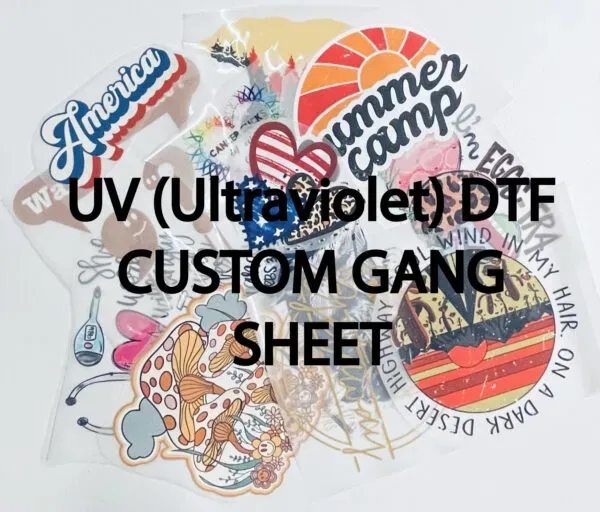
In the realm of modern printing technology, the UV DTF gangheet stands out as a key catalyst for excellence. This innovative approach to UV DTF (Direct to Film) printing allows businesses to create stunning images that adhere to various surfaces, including textiles, plastics, and even glass. By understanding the intricacies of DTF film quality and selecting the right printing materials, print service providers can elevate the aesthetic appeal and durability of their creations. Gangheet compatibility with printers is paramount, ensuring that every print reflects the highest standards of quality and innovation. Moreover, considering eco-friendly printing options not only caters to the growing demand for sustainability but also positions your print business at the forefront of industry trends.
The evolution of Direct to Film printing technology has ushered in a new era of creative possibilities, especially with gangheets that enhance print capabilities. Often referred to as the graphics or film sheets integral to the printing process, UV DTF gangheets play a vital role in achieving brilliant and lasting prints on a multitude of surfaces. Many print professionals are recognizing the importance of selecting high-quality films that not only guarantee superior adhesion but also align with their printers’ specifications. Furthermore, the interplay between ink types and gangheet suitability is essential for optimizing print results, helping to minimize errors and wasted materials in the production cycle. As the industry leans towards eco-conscious practices, adopting recyclable or environmentally friendly printing materials can greatly enhance both brand image and customer satisfaction.
Understanding the Basics of UV DTF Printing
UV DTF printing combines the advanced capabilities of UV printing with the efficient direct-to-film method, creating a vibrant and durable printing alternative for various materials. This technology enables printing on surfaces spanning from textiles to hard substrates like glass and metal. The UV inks cure instantly under UV light, allowing for immediate handling and reducing the waiting time commonly associated with traditional printing methods. With its ability to produce intricate designs full of color, UV DTF printing stands out as a versatile choice for printing businesses.
Moreover, the flexibility of UV DTF printing extends beyond diverse materials; it also offers a range of applications, from promotional products to high-quality textiles. In a market where quick turnarounds and exceptional print quality are paramount, understanding the fundamentals of UV DTF can provide businesses with a competitive edge. As more printing companies adopt this technology, comprehending its operational intricacies becomes crucial for optimizing performance and ensuring customer satisfaction.
Importance of Choosing the Right UV DTF Gangheet
The selection of the appropriate UV DTF gangheet is vital for achieving optimal print quality. This graphic element must align perfectly with the specifications of the printer and the desired end result. If the gangheet does not match the printer’s capabilities, the final output could suffer from issues like misalignment or poor adhesion, ultimately leading to unsatisfactory prints. Therefore, it is imperative for print providers to thoroughly assess the compatibility of gangheet with their equipment before making a purchase.
Additionally, choosing a gangheet that integrates well with the specific printing materials is equally important. For instance, a gangheet used for fabric printing will differ significantly from that used for plastics or glass. Understanding these distinctions can significantly impact the longevity and aesthetics of the print. In a landscape where quality and efficiency are crucial, investing time in selecting the right gangheet can yield significant dividends in the form of superior print results.
Evaluating DTF Film Quality for Optimal Results
The quality of DTF film used in the UV DTF printing process cannot be overstated. High-quality film ensures better adhesion and vibrant colors, which are essential for appealing print outputs. Inferior films can lead to pitiful results, including fading and peeling over time. When evaluating film quality, businesses should consider factors such as thickness, texture, and coating, which directly affect the print’s durability and visual appeal.
Moreover, the film quality should be tailored to the specific job requirements. For example, softer films may be necessary for intricate designs that require flexibility, while denser films might be better suited for stiffer materials. By investing in high-quality DTF films, companies can ensure their prints not only look great but also last longer, reducing the need for constant replacements and repairs.
The Role of Ink Types in UV DTF Printing
In UV DTF printing, the type of ink used plays a crucial role in determining the overall quality and durability of prints. The compatibility of ink with the gangheet is paramount; whether one is using eco-solvent or water-based inks, ensuring they align with the selected gangheet is essential. Inks that do not harmonize well with the printing materials can result in compromised quality, leading to colors that fade quickly or prints that do not adhere properly.
Additionally, the choice of ink can influence not only the print quality but also the ecological footprint of the printing process. Eco-friendly inks are increasingly popular among businesses looking to reduce their environmental impact while providing high-quality results. By selecting the right ink types and ensuring they fit seamlessly with their DTF gangheets, businesses can improve print quality, enhance durability, and promote sustainability within the industry.
Cost Efficiency in Printing Operations
Cost efficiency is a critical factor in the decision-making process for printing firms, particularly when choosing gangheets and printing materials. While initial costs for high-quality gangheets may be more significant, they often result in fewer errors and decreased waste, leading to savings in the long run. A thorough analysis of potential material investments should factor in not just the cost of the gangheet but also the expected lifespan and performance of the prints themselves.
Moreover, balancing cost with quality is essential. A cheaper gangheet might seem appealing initially, but if it results in a higher failure rate or poor print quality, the long-term costs can escalate quickly. Therefore, it pays for businesses to evaluate their printing needs critically, ensuring they invest in solutions that balance affordability with quality and efficiency.
Sustainability in the Choice of Printing Materials
With a growing emphasis on eco-friendly practices in the printing industry, sustainability must come into play when selecting UV DTF gangheets. Consumers and businesses alike are becoming increasingly aware of their environmental impact, leading to a demand for eco-friendly printing solutions. Choosing gangheets that are recyclable or made from sustainable materials can contribute to a more environmentally responsible operation.
Furthermore, investing in eco-friendly gangheets not only mitigates environmental impact but can also serve as a marketing advantage. Many customers prefer businesses that prioritize sustainability, adding value to a company’s brand reputation. Thus, integrating eco-conscious materials into the printing process not only aligns with global sustainability goals but also enhances customer loyalty in a competitive market.
Frequently Asked Questions
What is UV DTF printing and how does it work?
UV DTF (Direct to Film) printing is an innovative technology that transfers vibrant and durable graphics directly onto various surfaces, such as fabric, plastic, and glass. This method uses UV light to cure the ink on a special film, known as a gangheet, ensuring high-quality prints with excellent adhesion and longevity.
How do I choose the right UV DTF gangheet for my printer?
Choosing the right UV DTF gangheet involves checking compatibility with your printer model, assessing film quality, and ensuring the gangheet can handle the ink types you plan to use. Always refer to your printer’s specifications and consult with suppliers for the best gangheet options.
What factors influence the quality of DTF film in UV printing?
The quality of DTF film in UV printing can be influenced by several factors, including its thickness, material composition, and compatibility with the specific ink type. High-quality DTF films enhance print adhesion and durability, so it’s essential to select film that suits your printing needs.
Can UV DTF gangheets be used for eco-friendly printing?
Yes, many UV DTF gangheets are available in eco-friendly options. When selecting a gangheet, look for films that are recyclable or made from sustainable materials. This not only aligns with environmental goals but also meets customer demand for sustainable printing practices.
How does gangheet compatibility affect UV DTF printing results?
Gangheet compatibility is crucial because using an incompatible gangheet can lead to print failures and poor quality outputs. Selecting a gangheet that matches your printer’s specifications ensures optimal adhesion and vibrant print results, minimizing any potential errors during the printing process.
What should I consider regarding the cost of UV DTF gangheets?
When assessing the cost of UV DTF gangheets, consider both the initial price and long-term value. Premium gangheets may have higher upfront costs, but their durability and reduced print failures can lead to significant savings over time, making them a cost-effective choice for quality printing.
| Key Considerations | Details |
|---|---|
| Compatibility with Printer Models | Ensure the gangheet matches your printer’s specifications to avoid print failures and maintain quality. |
| Film Quality | Choose high-quality films that enhance print longevity and aesthetics based on the material being printed. |
| Ink Type and Compatibility | Check if your ink (eco-solvent or water-based) is compatible with the gangheet to prevent printing issues. |
| Print Resolution and Detail | Select gangheets that support high DPI settings for sharper images, particularly for detailed work. |
| Cost Efficiency | Evaluate both upfront material costs and potential savings from fewer print failures when choosing gangheets. |
| Environmental Considerations | Opt for eco-friendly or recyclable gangheets to align with sustainability goals and customer expectations. |
| Supplier Reputation and Support | Prioritize suppliers known for their support and product warranties to ensure a smooth printing process. |
Summary
UV DTF Gangheet is a crucial element in the printing process that can dictate the quality and success of your prints. By carefully selecting the right gangheet, print service providers can achieve vibrant and durable outputs across various surfaces such as fabric, plastic, and glass. Key considerations include ensuring compatibility with printer models, assessing film quality, and choosing appropriate ink types. Additionally, factors like print resolution, cost efficiency, and environmental implications must be part of the decision-making process. Engaging with reputable suppliers who offer strong customer support can further enhance the overall experience. By focusing on these aspects, businesses can significantly improve their operational effectiveness while meeting increasing customer demands for high-quality, sustainable printing solutions.