
In the rapidly evolving landscape of custom printing technology, **UV DTF printing** has emerged as a revolutionary method in 2023. This innovative approach blends traditional Direct to Film techniques with the power of UV printing, allowing for stunning, high-quality prints on a diverse array of substrates. Ideal for businesses and consumers alike, UV DTF printing incorporates advanced printing techniques that ensure consistent results, making it a top choice for personalized products. Not only does it offer impressive durability and vibrant colors, but it also champions sustainable printing practices by utilizing eco-friendly inks and minimizing waste. As industries increasingly seek efficient and effective printing solutions, understanding UV DTF printing has never been more essential.
Also referred to as ultraviolet Direct to Film printing, this advanced printing technique significantly enhances the quality and versatility of graphic reproduction. By adopting innovative methods that utilize ultraviolet light for curing inks, this process allows for intricate designs to be successfully transferred onto various materials, from textiles to plastics. This technology not only streamlines the production of custom prints but also aligns with the growing demand for sustainable printing options by reducing the environmental impact. As we explore the benefits and applications of this cutting-edge printing method, we gain insight into how businesses can leverage this technology to meet their creative and sustainability goals.
The Mechanics of UV DTF Printing Explained
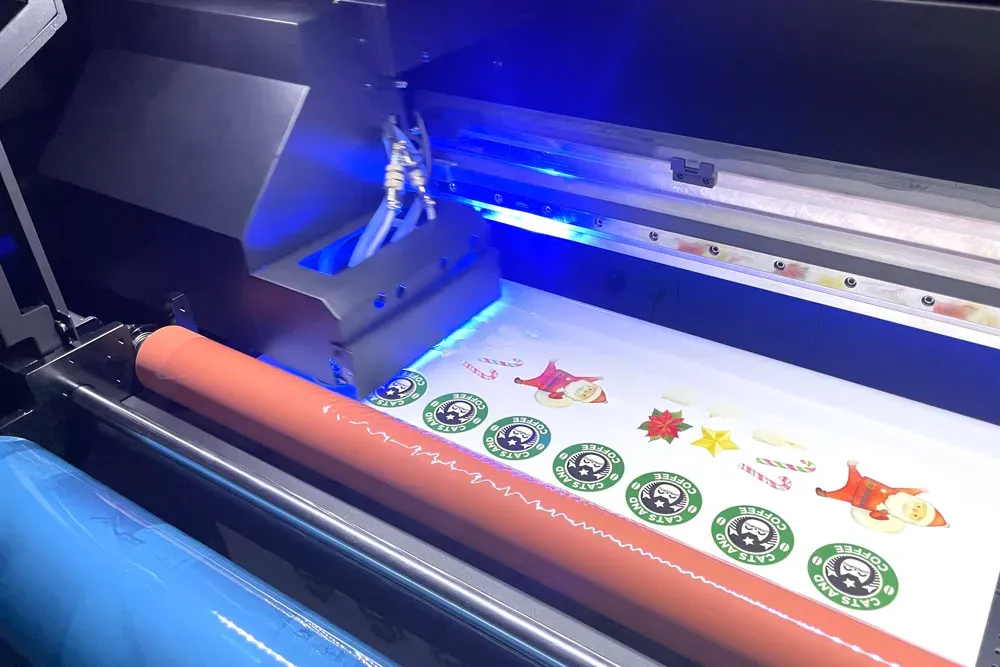
UV DTF printing combines the proven technique of Direct to Film printing with the state-of-the-art UV printing process to create vibrant, high-quality designs. The method begins with printing high-resolution images onto a special film using UV inks, which are cured instantly when exposed to ultraviolet light. This curing process results in incredibly sharp lines and brilliant colors that adhere well to various substrates, creating stunning visuals that stand out in any application.
The intricacies of UV DTF printing involve multiple steps that ensure the end result meets the highest quality standards. After the film is printed, it undergoes a heat transfer process to bond the design securely to the substrate, which could range from textiles to rigid materials like metal or plastic. This versatility makes UV DTF printing an excellent choice for businesses looking to produce personalized products or promotional materials with intricate designs.
Advantages of Using UV DTF Printing
One of the primary advantages of UV DTF printing is its exceptional color vibrancy and clarity. This printing technology allows for a wider color gamut than traditional printing methods, enabling designers to produce eye-catching graphics that grab attention. Additionally, the quick curing time afforded by UV light means that businesses can significantly reduce turnaround time on orders, leading to increased customer satisfaction and repeat business.
Another notable benefit of UV DTF printing is its adaptability to a wide range of substrates. Unlike standard printing methods, which may be limited to specific materials, UV DTF printing excels when working on various surfaces, including textiles, plastics, and metals. This flexibility opens up new opportunities for businesses in sectors such as fashion, promotional products, and signage, providing the ability to deliver customized solutions tailored to diverse customer needs.
Sustainable Practices in UV DTF Printing
Sustainability is becoming increasingly important in the printing industry, and UV DTF printing offers significant advantages in this area. By utilizing eco-friendly inks that contain fewer harmful chemicals, this method aligns with the growing consumer demand for greener products. Additionally, the quick drying times of UV inks minimize waste associated with excess production, creating a more sustainable printing solution compared to traditional techniques.
Furthermore, UV DTF printing technology often employs processes that reduce energy consumption and minimize material waste. Businesses adopting these methods can not only comply with environmental regulations but also attract environmentally-conscious consumers. Emphasizing sustainable printing practices not only enhances a brand’s reputation but also contributes positively to the planet.
Emerging Trends in UV DTF Printing
As the market for UV DTF printing expands, several key trends are emerging that shape the future of this technology. One such trend is the rise in customer demands for personalization, leading more businesses to explore UV DTF solutions for unique and customized products. Whether customizing apparel, promotional items, or branded merchandise, the ability to leverage advanced custom printing technology positions companies to better meet the desires of their customers.
Another trend to watch is the continuous improvement of UV ink formulations. Innovations are rapidly evolving, making inks more durable and versatile, thus broadening the horizon for UV DTF printing applications. These developments are likely to enhance print quality even further, allowing for greater durability against environmental factors such as UV rays and moisture, making the prints last longer in a variety of settings.
Challenges in Adopting UV DTF Printing
Despite its numerous advantages, UV DTF printing does face some challenges that businesses must consider. The initial investment for UV DTF printing equipment can be substantial, posing a barrier for small businesses or startups. This can be particularly daunting for companies that may be unsure of the return on investment, especially when compared to traditional printing technologies.
Additionally, the technology requires skilled personnel to operate effectively. Businesses must ensure they have the right expertise to manage the intricacies of the printing process and troubleshoot any potential issues that could arise. Compatibility concerns with different substrates can also pose challenges, necessitating thorough testing and adjustments to ensure optimal print quality across various materials.
The Future of UV DTF Printing Technology
The future of UV DTF printing looks promising as ongoing innovation continues to push the boundaries of what is possible within the graphic arts industry. As technology advances, it is expected that we will witness even more refined processes, improving print speeds and quality. With the pressure to keep up with fast-paced consumer trends, businesses need to adapt quickly, and UV DTF printing presents a powerful solution to meet these demands.
Furthermore, as sustainability becomes more central to the values of consumers and companies alike, UV DTF printing is positioned effectively to align with these emerging priorities. By incorporating practices that prioritize the environment while still delivering high-performance prints, businesses can use UV DTF technology not only to enhance their production capabilities but also to distinguish themselves in a crowded marketplace.
Frequently Asked Questions
What is the process involved in UV DTF printing and how does it work?
UV DTF printing combines direct-to-film technology with UV printing. It starts by printing graphics on a special film, which is later transferred to a substrate using heat and pressure. Ultraviolet light cures the ink quickly, ensuring durable and vibrant prints on various materials like textiles and plastics.
What are the benefits of using UV DTF printing for custom projects?
The primary benefits of UV DTF printing include high-quality detail, vibrant colors, and quick drying times. It allows for printing on diverse substrates, making it ideal for custom apparel and promotional items. Furthermore, this printing method supports eco-friendly options, appealing to sustainable printing demands.
How does UV DTF printing compare to traditional UV printing methods?
UV DTF printing stands out from traditional UV printing by utilizing a film transfer method, which allows for greater detail and versatility in applications. Unlike direct UV printing, which prints directly onto surfaces, UV DTF ensures strong adhesion on varied materials, and offers the flexibility of printing delicate designs with ease.
Is UV DTF printing a sustainable printing option?
Yes, UV DTF printing is considered a sustainable printing option. It uses eco-friendly inks and processes that minimize waste, aligning with growing consumer demand for sustainable practices. As businesses adopt UV DTF, they can enhance their environmental responsibility while providing high-quality printed products.
What industries are benefiting from UV DTF printing technology in 2023?
In 2023, UV DTF printing technology is benefiting industries such as custom apparel, promotional products, signage, and industrial applications. The ability to produce detailed multi-color prints on a variety of substrates makes UV DTF an attractive choice for businesses seeking innovative custom printing solutions.
What challenges do businesses face when adopting UV DTF printing technology?
While UV DTF printing presents numerous advantages, businesses may encounter challenges such as high initial equipment costs and the need for skilled operators. Additionally, compatibility issues with various substrates can arise, potentially complicating the printing process. Addressing these challenges is essential for successful implementation.
| Key Point | Description |
|---|---|
| Introduction to UV DTF Printing | UV DTF printing is an innovative printing method combining direct-to-film techniques with UV technology, providing high-quality prints on various substrates. |
| Expanded Application Potential | This technology is gaining traction in sectors like custom apparel, allowing for detailed multi-color prints. |
| Market Growth and Trends | Rising consumer demand for personalized and eco-friendly products is driving growth in UV DTF printing. |
| Technological Advancements | Developments in UV ink formulations and automated systems enhance durability and efficiency. |
| Sustainability Focus | This printing method incorporates eco-friendly inks and waste-reducing processes, appealing to environmentally-conscious businesses. |
| Challenges | High initial costs and the need for skilled operators can be barriers for small businesses. |
Summary
UV DTF printing is revolutionizing the printing industry in 2023 by merging advanced technology with user-friendly processes. Harnessing the power of ultraviolet light, UV DTF printing allows for stunning designs to be applied on various materials with remarkable precision and durability. As businesses increasingly lean towards personalized and sustainable solutions, understanding UV DTF printing becomes crucial. This method's ability to produce vibrant, long-lasting prints while minimizing environmental impact sets a new standard in the industry. As we advance further into the realm of digital customization, UV DTF printing is shaping the future of creative expression, making it an indispensable tool for businesses aiming to thrive in a competitive market.