
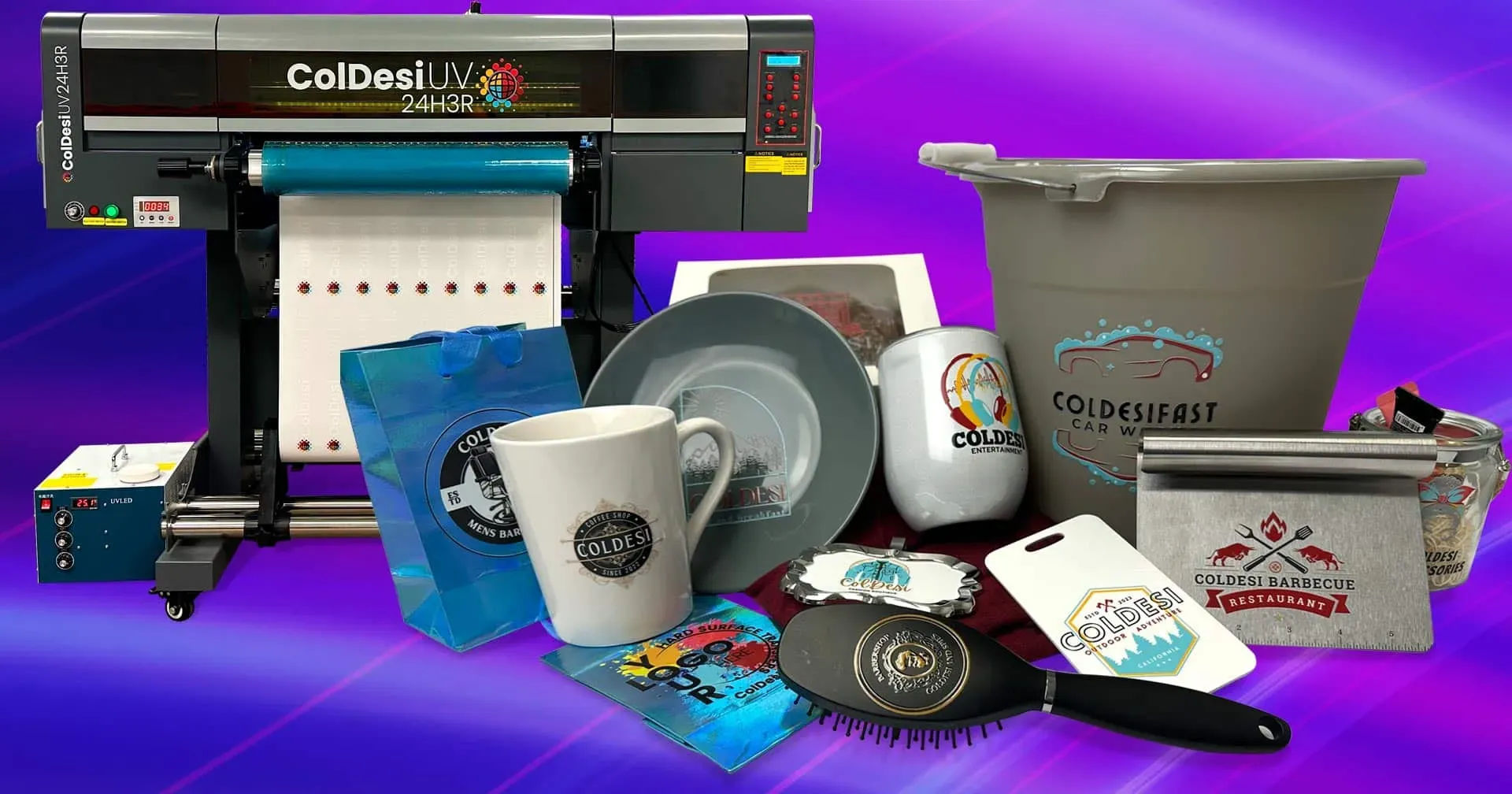
UV DTF printing, or Ultra-Violet Direct-to-Film printing, has revolutionized the world of modern printing technology with its innovative approach to transferring designs onto various substrates. This cutting-edge method harnesses the power of ultraviolet light to instantly cure inks as they are printed, resulting in stunningly vibrant images and unparalleled durability. Unlike traditional printing methods that often impose limitations on the types of materials they can handle and the time it takes for setups, UV DTF printing excels in versatility and speed, catering to the growing demands of personalized production. The advantages of UV DTF include heightened efficiency, which can significantly lower production costs and shorten turnaround times for businesses. Additionally, as sustainability becomes increasingly crucial in today's market, UV DTF stands out for its lower environmental impact compared to conventional printing, thanks to reduced waste and the absence of harmful volatile organic compounds.
When discussing contemporary printing solutions, UV DTF printing emerges as a leading technique that marries innovation with efficiency. This form of printing, characterized by its instantaneous curing process, provides an alternative to more traditional techniques like screen and offset printing. With its ability to adeptly transfer designs onto a diverse array of materials, UV DTF offers businesses a flexible and powerful tool for achieving high-quality results. Furthermore, the method's inherent durability ensures that prints are resilient to environmental factors, thus extending their lifespan. As the industry shifts towards more sustainable practices, the benefits of this technology in reducing chemical waste and enhancing production efficiency position UV DTF printing as a frontrunner in the ongoing printing technology comparison.
Comparing UV DTF Printing to Traditional Printing Methods
When businesses are choosing between UV DTF printing and traditional printing methods, the comparison often leans towards elements such as speed, cost-effectiveness, and the scope of applications. UV DTF printing is characterized by its rapid turnaround time, thanks to the quick curing process enabled by ultraviolet light. This stands in stark contrast to many traditional methods like screen printing or offset printing, which require lengthy setup times and can face delays during the curing phase. Thus, for companies needing fast service and the ability to produce short runs, UV DTF printing presents a compelling alternative.
On the other hand, traditional printing methods are well-regarded for their consistency and the proven benefits over years of use, especially in high-volume orders. Methods such as offset printing provide unmatched detail and depth of color that often surpasses what is achievable with UV DTF techniques. Therefore, while UV DTF excels in speed and adaptability, those prioritizing high-quality prints for large runs might find traditional methods more beneficial.
The Advantages of Using UV DTF Printing
UV DTF printing offers a myriad of advantages that cater to the evolving needs of various industries. One prominent advantage is the technology's remarkable versatility; businesses can print on an extensive range of substrates such as textiles, wood, and glass without needing elaborate setup changes. This flexibility allows for greater customization and innovation, enabling companies to cater to various customer preferences with ease.
Another significant advantage of UV DTF printing is its durability. The inks used are resistant to water and UV light, making them suitable for both indoor and outdoor applications. Additionally, the finished prints maintain vibrant colors and clarity, which helps reduce the likelihood of reprints due to quality failures. This durability, combined with shorter production times, makes UV DTF an attractive option for businesses concerned about maintaining high-quality standards while managing operational costs.
Limitations of UV DTF Printing
Despite its various benefits, UV DTF printing also has its limitations that potential users must consider. One prominent drawback is the initial equipment cost; investing in UV printers can be significantly higher than traditional setups, which can deter smaller businesses from making the switch. The advanced technology and machinery required to achieve UV DTF capabilities can make it a daunting entry point for new market entrants.
Additionally, while UV DTF prints can achieve high quality, they might not match the superior color depth and vibrancy produced by traditional printing methods, particularly in bulk orders. This limitation could present challenges for businesses whose primary focus is on premium print quality, underscoring the need for a careful assessment of printing goals and project requirements.
Understanding Durability in UV DTF Printing
One of the standout features of UV DTF printing is its impressive durability. The cured inks create a hard, resilient surface that can withstand exposure to sun, rain, and wear. Businesses that require long-lasting prints—such as those involved in outdoor advertising or promotional materials—benefit from this aspect immensely. This not only ensures that the prints maintain their visual appeal over time but also minimizes the frequency of necessary reprints, which can save costs significantly.
Conversely, traditional printing methods may not always offer the same level of durability, particularly if they rely on organic inks that are more susceptible to fading and wear over time. While traditional methods can produce remarkable results, they may require protective coatings or finishes to enhance longevity, which can add to the production timeline and costs. Therefore, understanding the durability advantages of UV DTF is essential for informed decision-making in quality and practical applications.
Sustainability in UV DTF and Traditional Printing
Sustainability is becoming an increasingly relevant factor in the choice of printing technologies, and UV DTF printing is often touted for its lower environmental impact. Since UV DTF does not require water for ink application and significantly reduces the amount of volatile organic compounds (VOCs) released into the environment, it presents a greener alternative to many traditional printing methods. The reduced need for chemical solvents aligns well with the global push towards sustainable practices, making it a more appealing option for environmentally-conscious businesses.
In contrast, traditional printing processes often involve higher levels of waste and chemical use, which pose potential environmental concerns. The shift towards sustainable methods is paving the way for more businesses to reconsider their printing choices, leading to increased investment in technologies like UV DTF that promise a smaller ecological footprint. Organizations are increasingly recognizing that adopting sustainable practices not only aids in compliance with regulatory standards but can also enhance brand reputation among consumers who prioritize eco-friendly businesses.
Adaptation of UV DTF Printing in Current Market Trends
The printing landscape is evolving rapidly, with the demand for customized solutions on the rise. UV DTF printing is increasingly being integrated into new business models, driven by the need for personalization and short-run printing. Industries such as fashion, home décor, and promotional products are finding immense value in the ability to create unique designs quickly, responding to the ever-shifting market demands without extensive lead times. This adaptability signifies a pivotal movement in how print service providers can meet consumer needs.
Moreover, the integration of UV DTF into existing workflows allows businesses to remain competitive in a rapidly changing marketplace. As customers increasingly seek distinct and personalized products, having the capability to deliver bespoke items at a moment’s notice becomes a tremendous advantage. This trend signifies not only the future of printing but highlights the agile methodologies that businesses must adopt to thrive in today’s dynamic environment.
Frequently Asked Questions
What are the key advantages of UV DTF printing over traditional printing methods?
UV DTF printing offers several advantages compared to traditional printing methods, including faster speed and efficiency due to immediate curing of inks. Additionally, it provides high versatility, allowing printing on various substrates without extensive setup changes, making it ideal for short-run and customized projects.
How does the durability of UV DTF compare to traditional printing methods?
The durability of UV DTF printing is significantly higher than many traditional printing methods. UV DTF inks are resistant to UV light and have a flexible finish, ensuring they can withstand outdoor conditions without fading or peeling, which reduces the need for reprints due to quality issues.
Is UV DTF printing a more sustainable option than traditional printing methods?
Yes, UV DTF printing is generally considered more sustainable than traditional printing methods. It uses less ink and does not involve volatile organic compounds (VOCs), which contributes to a lower environmental footprint compared to methods that generate more waste and require chemical processes.
What printing technology comparison should I consider when choosing between UV DTF and traditional methods?
When comparing UV DTF printing to traditional methods, consider factors like speed, substrate versatility, durability, cost-effectiveness, and print quality. UV DTF excels in quick turnarounds and flexibility while traditional methods might offer superior quality for larger volume orders.
Are there any initial cost barriers associated with UV DTF printing compared to traditional printing?
Yes, UV DTF printing typically comes with higher initial investment costs for equipment compared to traditional printing setups. This cost barrier can deter smaller businesses from adopting UV DTF technology, despite its numerous benefits in production efficiency.
For what types of projects is UV DTF printing particularly well-suited?
UV DTF printing is particularly well-suited for projects requiring custom, short-run prints across multiple substrates. Industries like promotional products, personalized merchandise, and bespoke packaging benefit greatly from the fast turnaround and versatility that UV DTF technology provides.
| Feature | UV DTF Printing | Traditional Printing Methods |
|---|---|---|
| Speed and Efficiency | High speed with rapid curing. Ideal for short-run printing. | Longer setup times, less efficient for short runs. |
| Versatility | Can print on a variety of substrates with little setup change. | Limited to certain materials, more setup required for changes. |
| Durability | Highly durable prints that resist UV light and outdoor conditions. | Varied durability, depending on the method used. |
| Initial Costs | Higher initial investment might deter smaller businesses. | Lower investment necessary for traditional equipment. |
| Print Quality | High quality, but may not match traditional methods for color depth. | Often superior quality, especially for large volume orders. |
| Sustainability | Lower environmental footprint with reduced ink usage. | Higher waste and chemical use raises environmental concerns. |
Summary
UV DTF printing is revolutionizing the way we think about printing technologies. Its swift operation and ability to accommodate a wide variety of materials make it an attractive option for businesses seeking flexibility and quick turnaround times. As consumers increasingly demand personalized products, UV DTF printing is becoming a dominant force, providing advantages like durability and lower environmental impact compared to traditional methods. However, it does come with higher initial costs and potential trade-offs in print quality for large orders. Ultimately, for businesses that need a modern and versatile printing solution, UV DTF printing presents a notable alternative, poised to shape the future of the printing industry.