
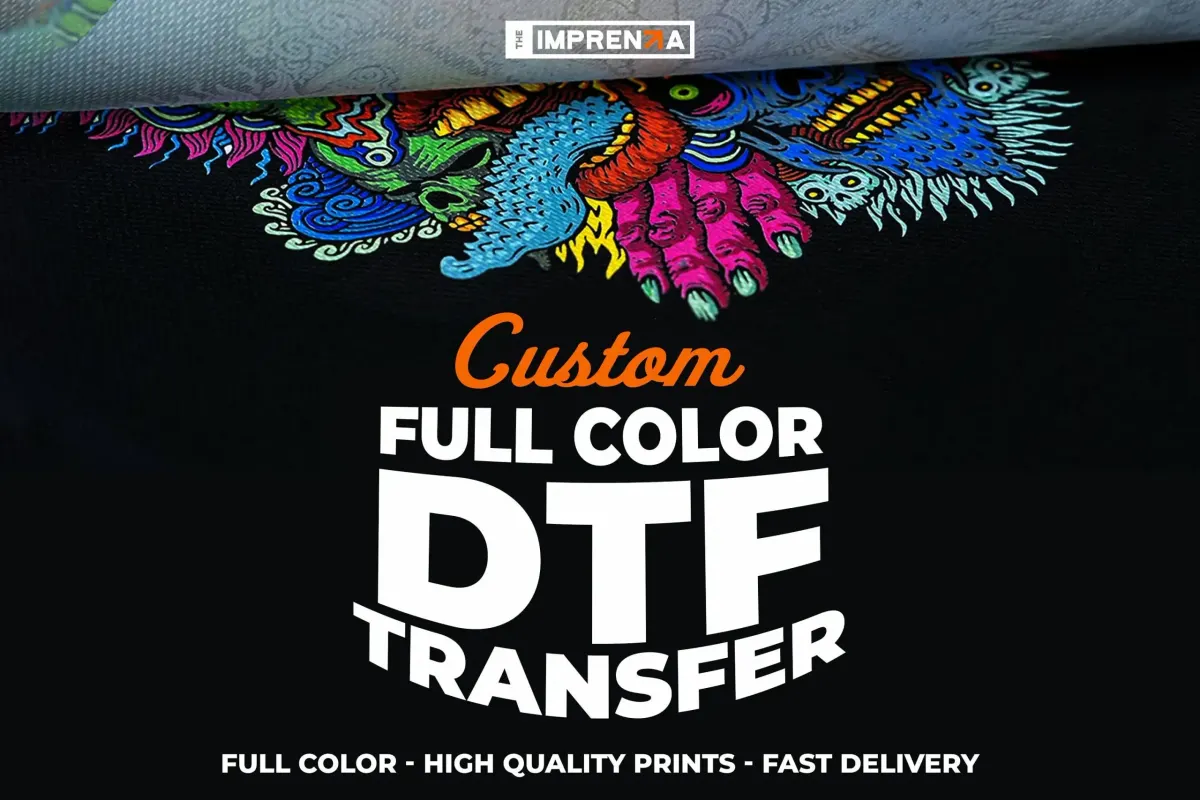
In the ever-evolving sphere of custom apparel printing, DTF transfers stand out as a groundbreaking technology that’s reshaping how designs are applied to fabrics. This innovative method, known as Direct-to-Film printing, allows for vibrant, high-quality designs that are transferred directly onto various fabrics, ensuring that the final product is both eye-catching and durable. As the fashion industry increasingly embraces unique, personalized clothing, DTF printing technology offers remarkable efficiency and versatility, appealing to both designers and consumers alike. This revolutionary approach not only streamlines the production process but also enhances the creative possibilities for custom apparel decoration methods. Furthermore, with sustainability becoming a key concern in the industry, DTF transfers also provide a more eco-friendly printing solution that aligns with the growing demand for responsible fashion practices.
Often referred to as direct-to-film printing, DTF transfers are rapidly gaining traction in the realm of decorative apparel technologies. This contemporary printing solution offers a creative outlet for businesses looking to produce custom designs efficiently while maintaining exceptional print quality. Thanks to its user-friendly approach, DTF printing can easily adapt to various fabric types, making it a versatile choice for fashion brands aiming to stay ahead in the competitive market. By prioritizing both sustainability and efficiency, this apparel decoration method supports a growing trend for environmentally-conscious production techniques. Moreover, the capacity for detailed graphics and engaging visuals positions DTF technology as a frontrunner in personalized clothing, meeting modern consumer demands.
The Advantages of DTF Printing Technology
Direct-to-Film (DTF) printing technology has become a game-changer in the realm of custom apparel printing, offering unique advantages that set it apart from traditional methods. One of the critical benefits of DTF transfers is their ability to deliver vibrant and durable prints. Unlike older techniques, DTF printing allows for intricate designs and a broad color spectrum that can withstand numerous washes, ensuring that apparel looks fresh and new for longer. This is particularly important for brands aiming to make a lasting impression on their customers and enhance their product offerings.
Moreover, DTF printing stands out in terms of adaptability across various fabric types. It can print seamlessly on cotton, polyester, and blends, making it a versatile option for clothing manufacturers who cater to varied customer preferences. This flexibility means businesses can expand their product lines easily without the need for significant changes to their printing setups. In essence, DTF transfers are revolutionizing apparel decoration methods by offering businesses the ability to respond dynamically to market trends while maintaining high standards of quality.
Efficiency in Production with DTF Transfers
One of the most significant advantages of using DTF transfers is the efficiency it brings to the production process. Traditional printing methods often involve lengthy setups, including screens for screen printing or intricate machine calibrations for direct-to-garment. In contrast, DTF printing eliminates these pre-production hurdles, allowing for a more streamlined workflow. This efficiency translates directly into faster turnaround times for orders, making it ideal for small run requests or on-demand printing scenarios that reflect current consumer trends.
Additionally, the efficiency of DTF technology means that businesses can significantly reduce labor costs associated with more manual printing processes. With automated systems that require less intervention, the likelihood of human error diminishes, freeing up staff to focus on design and creative aspects of the business instead. Thus, DTF transfers not only enhance production capabilities but also contribute to cost savings, enabling businesses to offer competitive pricing to clients and expand their customer base.
Quality and Durability of DTF Transfers
When discussing custom apparel printing, quality and durability are paramount. DTF transfers provide exceptional print quality that is comparable to the best direct-to-garment options available today. The high-resolution output produced by DTF technology ensures that even the most intricate designs are rendered with clarity and vibrancy. This allows brands to cater to high-end market segments where quality is a critical selling point, setting them apart from competitors who may still rely on outdated printing techniques.
Moreover, DTF transfers boast an impressive level of durability. The prints are resistant to cracking and fading, maintaining their appearance even after multiple washes. This resistance to wear is essential for any apparel, especially for items that are frequently laundered, such as sports uniforms or everyday wear. As a result, businesses using DTF printing technology can guarantee their customers a longer-lasting product, which is a crucial factor in today's eco-conscious market focused on sustainability and reducing waste.
User-Friendly DTF Printing Process
One of the standout features of DTF printing technology is its user-friendly nature. For many newcomers to the custom apparel scene, the complexity of traditional printing methods can be discouraging. DTF printing, however, requires less specialized training and can be mastered quickly, allowing new designers and entrepreneurs to engage with the process without significant barriers to entry. This accessibility opens up new opportunities for innovation and creativity in the apparel industry.
Furthermore, the simplicity of the DTF process encourages more individuals to experiment with their designs, fostering a culture of creativity. With readily available resources and streamlined workflows, even those with minimal experience can produce high-quality prints swiftly. This democratization of technology is not only beneficial for startup businesses but also revitalizes the custom apparel market by continually introducing fresh ideas and products.
Sustainable Practices in DTF Printing
As sustainability becomes a core focus in the fashion industry, DTF transfers stand out as an environmentally friendly printing solution. Traditional printing methods often lead to excessive waste, from leftover ink to unused fabric. DTF printing, by contrast, is designed to produce only what is needed for each order, significantly reducing waste and making it suitable for businesses looking to adopt more sustainable practices. This eco-efficient methodology aligns perfectly with the growing consumer demand for products that are not only stylish but also environmentally responsible.
Furthermore, many DTF inks and materials are designed to be less harmful than those used in conventional printing processes. By adopting low-VOC inks and other eco-conscious materials, businesses can further minimize their ecological footprint. Organizations such as the Sustainable Apparel Coalition highlight that investing in sustainable printing practices not only aids in preserving the environment but also helps brands appeal to a socially conscious clientele, thus helping businesses thrive in a competitive marketplace.
The Future of Custom Apparel with DTF Technology
As the demand for custom apparel continues to rise, driven by consumers' desires for personalized and unique products, DTF printing technology is poised to become a cornerstone of this industry. Research indicates that businesses that invest in DTF transfers position themselves advantageously within the marketplace. By embracing this innovative technology, companies can improve their responsiveness to consumer trends while maintaining high production quality, which is vital for maintaining customer loyalty.
Looking forward, the integration of DTF technology into custom apparel printing will likely lead to exciting advancements in automation and design capabilities. As more brands adopt DTF processes, we can expect to see collaborations between graphic designers and printers that push the boundaries of what's possible with custom prints. This continuous evolution not only promises to elevate the standards of quality and creativity in the apparel industry, but also enhances the potential for sustainable practices, shaping a future where fashion is both stylish and mindful.
Frequently Asked Questions
What are DTF Transfers and why are they important in custom apparel printing?
DTF Transfers, or Direct-to-Film transfers, are a revolutionary printing method that allows designs to be printed onto a special film and then transferred onto fabric using heat. This technology is crucial in custom apparel printing because it offers high-quality prints with vibrant colors, quick turnaround times, and is cost-effective for small runs, making it ideal for businesses seeking efficient production solutions.
How does DTF printing technology differ from traditional printing methods?
DTF printing technology differs from traditional methods like screen printing and direct-to-garment (DTG) printing by eliminating extensive pre-production setups and allowing for faster production times. DTF transfers are suitable for various fabric types, producing durable and detailed prints that can compete with quality from traditional methods.
What are the advantages of using DTF Transfers in custom apparel decoration methods?
The advantages of using DTF Transfers in custom apparel decoration methods include their efficiency in production, cost-effectiveness for short runs, versatility on different fabrics, and the ability to produce intricate designs with lasting color quality. These benefits position DTF printing as a superior choice in the evolving landscape of custom apparel.
Can DTF printing technology be considered a sustainable printing option?
Yes, DTF printing technology is considered a more sustainable printing option compared to traditional methods. It minimizes waste by producing only what is necessary for each order and uses fewer resources, aligning with the environmental goals of many brands seeking to reduce their impact in the fashion industry.
What types of fabrics work best with DTF Transfers?
DTF Transfers work exceptionally well on a variety of fabric types, including cotton, polyester, and blends. This versatility makes DTF printing technology suitable for a wide range of apparel, allowing customization options for everything from casual wear to uniforms.
How does the ease of use of DTF Transfers benefit new custom apparel businesses?
The ease of use of DTF Transfers benefits new custom apparel businesses by allowing them to quickly adapt to the printing process without extensive training. This user-friendly approach fosters creativity and innovation, enabling emerging designers and entrepreneurs to start producing custom items more efficiently.
| Key Point | Explanation |
|---|---|
| Introduction | DTF transfers are revolutionizing custom apparel printing by offering efficient and high-quality solutions. |
| Understanding DTF Transfers | DTF transfers print on film and apply to fabric using heat, contrasting traditional methods. |
| Efficiency and Cost-Effectiveness | DTF printing setups are quick, allowing businesses to fulfill orders faster and reduce waste for small runs. |
| Quality and Versatility | DTF transfers produce vibrant, detailed prints on various fabric types, suitable for diverse applications. |
| Ease of Use | DTF technology has a smooth learning curve, facilitating entry for new designers and businesses. |
| Sustainability | DTF minimizes waste and resource consumption, making it an eco-friendly printing option. |
| Market Growth and Future Potential | The demand for custom apparel is growing, with DTF technology meeting needs for fast, versatile solutions. |
Summary
DTF Transfers are dramatically transforming the custom apparel printing industry. This innovative approach not only streamlines production with enhanced efficiency and cost-effectiveness but also delivers high-quality results across a variety of fabric options. With a focus on user-friendliness and sustainability, DTF technology empowers businesses to cater to the evolving demands of consumers who seek personalized and rapid clothing solutions. As the market for custom apparel continues to expand, integrating DTF printing stands as a pivotal strategy for companies looking to maintain competitive advantage while embracing a more sustainable future.