
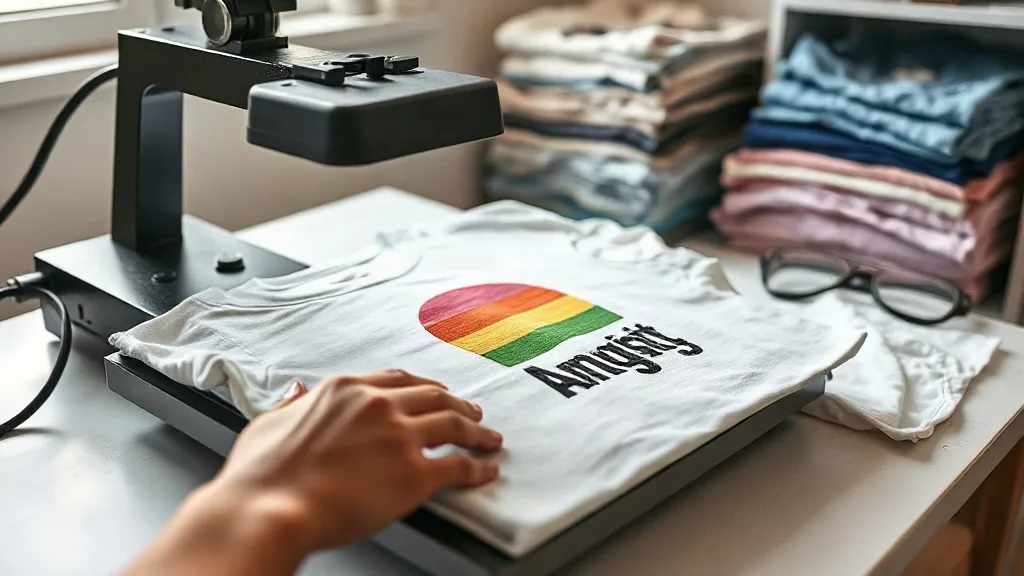
Custom apparel has never been more accessible, thanks to dtf transfers. Whether you're a small business owner looking to create branded merchandise or a hobbyist wanting to personalize gifts, DTF (Direct to Film) printing offers a versatile and cost-effective solution. In this guide, we'll walk you through everything you need to know about DTF transfers, from the basics to pro tips, so you can achieve professional results at home.
What Are DTF Transfers?
DTF stands for Direct to Film, a printing method where designs are printed onto a special film and then transferred onto fabric using heat and pressure. Unlike other printing techniques, DTF doesn't require pre-treatment of the fabric, making it compatible with a wide range of materials, including cotton, polyester, and blends. The process involves printing a design onto a PET film with water-based inks, applying a powder adhesive, and then curing it. When you're ready to apply, simply place the film on your garment and press.
Why Choose DTF Transfers?
There are several reasons why DTF transfers have become a favorite among crafters and professionals alike. Let's explore the key benefits.
Vibrant and Durable Prints
DTF transfers produce incredibly vibrant colors that pop, even on dark fabrics. The prints are also highly durable, withstanding multiple washes without fading or cracking. This makes them ideal for items that will see frequent use, like t-shirts, hoodies, and tote bags.
Versatility Across Fabrics
One of the biggest advantages of DTF is its ability to adhere to almost any fabric. Whether you're working with 100% cotton, polyester, or a blend, DTF transfers deliver consistent results. This versatility eliminates the need for multiple printing methods and simplifies your workflow.
Cost-Effective for Small Runs
Unlike screen printing, which requires setup costs for each color, DTF transfers are economical for small batches and one-off designs. You can print a single transfer or hundreds without breaking the bank, making it perfect for small businesses and personal projects.
No Weeding Required
If you've ever worked with vinyl, you know the tedium of weeding. DTF transfers eliminate this step entirely. The design is printed with the adhesive already applied, so you simply press and peel. This saves time and reduces waste.
How to Apply DTF Transfers
Applying DTF transfers is straightforward, but following the correct steps ensures a professional finish. Here's a step-by-step guide.
What You'll Need
- DTF transfer film with your design
- Heat press (or iron with firm pressure)
- Garment (pre-washed and dried)
- Heat-resistant tape (optional)
- Parchment paper or Teflon sheet
Step-by-Step Application
- Preheat your press: Set your heat press to 300-325°F (150-160°C). If using an iron, set it to the highest cotton setting with steam off.
- Pre-press the garment: Place the garment on the press and press for 5-10 seconds to remove moisture and wrinkles.
- Position the transfer: Place the DTF film on the garment with the design facing up. Use heat-resistant tape to secure it if needed.
- Press: Cover with parchment paper or a Teflon sheet and press with firm pressure for 15-20 seconds.
- Peel: Allow the transfer to cool completely (cold peel) or peel while hot (hot peel) depending on the film type. Check your supplier's instructions.
- Post-press: For added durability, press again for 5-10 seconds with parchment paper.
Tips for Perfect DTF Transfers
To ensure your transfers look great and last long, keep these tips in mind.
Choose the Right Film
Not all DTF films are created equal. Some are designed for hot peel, others for cold peel. Select a film that matches your workflow and always follow the manufacturer's recommendations.
Control Moisture
Moisture is the enemy of DTF transfers. Always pre-press your garment to remove any residual moisture, and store your transfers in a dry place.
Use Consistent Pressure
Even pressure is crucial for proper adhesion. If using a heat press, ensure it's calibrated. With an iron, apply firm, even pressure and avoid moving the iron back and forth.
Test on Scrap Fabric
Before pressing onto your final garment, do a test press on a similar fabric scrap. This helps you dial in the right temperature, pressure, and timing.
Common Mistakes to Avoid
Even experienced crafters can run into issues. Here are some common pitfalls and how to avoid them.
Peeling Too Soon or Too Late
Peeling at the wrong temperature can ruin a transfer. Hot peel films should be peeled immediately after pressing, while cold peel films must cool completely. Always check the film type.
Insufficient Pressure
If the transfer doesn't adhere properly, it may be due to inadequate pressure. Adjust your press or apply more force with an iron.
Ignoring Fabric Type
While DTF works on many fabrics, some require special care. For stretchy fabrics, use a stretchable DTF film to prevent cracking.
Where to Find DTF Transfers Near You
If you're looking for dtf transfers near me, you have several options. Local print shops often offer DTF services, and online retailers provide custom transfers with quick turnaround. When choosing a supplier, consider print quality, turnaround time, and customer reviews. Many suppliers also offer design services if you're not comfortable creating your own artwork.
DTF vs. Other Printing Methods
How does DTF stack up against other popular printing techniques? Let's compare.
DTF vs. Screen Printing
Screen printing is cost-effective for large orders but requires setup for each color. DTF is better for small batches and complex designs with many colors. DTF also works on a wider range of fabrics.
DTF vs. Vinyl
Vinyl is great for simple designs but limited in color and detail. DTF can reproduce photographic images and gradients with ease. Plus, no weeding means faster production.
DTF vs. DTG
Direct-to-garment (DTG) printing is ideal for 100% cotton and produces soft prints, but it's slower and requires pre-treatment. DTF is faster, works on more fabrics, and often more durable.
Frequently Asked Questions
How long do DTF transfers last?
With proper application and care, DTF transfers can last as long as the garment itself. They withstand dozens of washes without fading or cracking.
Can I use DTF transfers on dark colors?
Absolutely. DTF transfers include a white ink layer that makes colors pop on dark fabrics, unlike some other methods.
Do I need a heat press for DTF?
While a heat press gives the best results, you can use a home iron with firm pressure. Just be sure to apply even pressure and avoid steam.
What fabrics work best with DTF?
DTF works on cotton, polyester, blends, and even some synthetics. It's not recommended for fabrics with special coatings or waterproof treatments.
Can I stretch DTF prints?
Yes, DTF prints are flexible and can stretch with the fabric. For highly stretchy materials, use a stretchable DTF film for best results.
Now that you understand the ins and outs of DTF transfers, you're ready to start creating. Whether you're a DIY enthusiast or a business owner, DTF offers a world of possibilities for custom apparel. For high-quality dtf supplies and transfers, visit dtf transfers to explore their range and take your projects to the next level.