
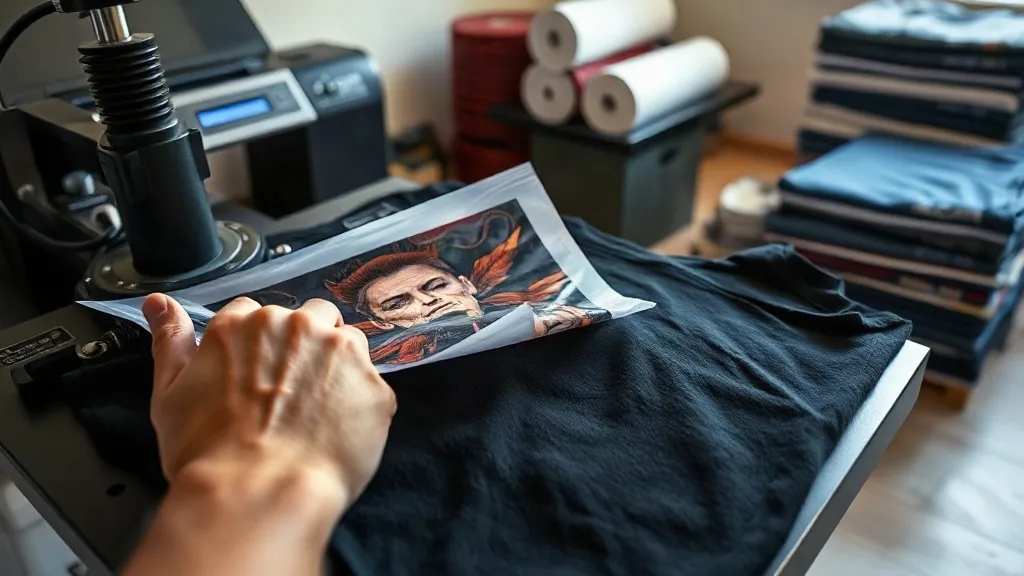
If you've been anywhere near the custom apparel scene lately, you've likely heard about dtf transfers. This printing method has exploded in popularity, and for good reason. It allows for full-color, high-detail designs on almost any fabric, without the limitations of traditional screen printing or the hassle of weeding vinyl. Whether you're a small business owner, a hobbyist, or just curious about the latest in garment decoration, understanding DTF transfers can open up a world of creative possibilities.
What Are DTF Transfers?
DTF stands for Direct-to-Film. It's a printing process where your design is printed onto a special film, coated with a heat-activated adhesive powder, and then transferred to fabric using a heat press. Unlike DTG (Direct-to-Garment) printing, which prints directly onto the garment, DTF transfers are printed separately and then applied. This gives DTF several unique advantages, which we'll explore.
The DTF Printing Process
Here's a step-by-step breakdown of how DTF transfers are made:
- Design Preparation: Your artwork is prepared digitally, ensuring it's mirrored (since it will be transferred face-down).
- Printing: A specialized DTF printer lays down a layer of white ink (or multiple colors) followed by CMYK inks onto a PET film. The white ink acts as a base so colors pop on dark fabrics.
- Powdering: While the ink is still wet, a hot-melt adhesive powder is applied evenly over the design. Excess powder is shaken off.
- Curing: The film is then heated to melt the powder, creating a flexible, durable adhesive layer.
- Transfer: The cured film is placed on the fabric and pressed with a heat press at a specific temperature and pressure for a set time. Once cooled, the film is peeled away, leaving the design bonded to the fabric.
This process might sound complex, but the result is a soft, stretchable print that can withstand repeated washing. Plus, DTF transfers work on a wide range of materials, including cotton, polyester, blends, and even some nylons.
Why Choose DTF Transfers?
There are plenty of reasons why DTF has become a go-to method for many in the industry. Here are some key benefits:
- Vibrant Colors on Any Fabric: Because of the white ink base, DTF transfers produce bright, opaque colors even on dark or colored garments. You're not limited to light-colored fabrics like with some other methods.
- No Weeding or Cutting: Unlike heat transfer vinyl (HTV), DTF transfers come pre-printed and ready to press. No more tedious weeding of tiny details.
- Works on Hard-to-Print Materials: DTF adheres well to polyester, cotton, blends, and even materials like canvas and denim. It's also great for nylon and other synthetic fabrics that can be tricky with other methods.
- Soft Hand Feel: The prints are thin and flexible, so they don't feel like a heavy plastic layer on the fabric. They stretch with the garment and won't crack easily.
- Durability: When applied correctly, DTF transfers are highly durable and can withstand many washes without fading or peeling.
- Cost-Effective for Small Runs: Unlike screen printing, which requires setup costs for each color, DTF is economical for small batches and one-offs. You can print a single design without breaking the bank.
These advantages make dtf a versatile and accessible option for businesses and hobbyists alike.
Applications of DTF Transfers
DTF transfers are incredibly versatile. Here are just a few ways you can use them:
- Custom T-Shirts: Create personalized tees for events, teams, or retail.
- Hoodies and Sweatshirts: Add designs to thicker fabrics with ease.
- Tote Bags: Personalize canvas bags for gifts or merchandise.
- Activewear: Because DTF stretches, it's ideal for sportswear and leggings.
- Corporate Uniforms: Add logos to workwear with professional results.
- Promotional Items: Great for small batches of branded merchandise.
If you're looking to get started, you might be wondering where to find dtf transfers near me. Many online suppliers offer custom DTF transfers, and some local print shops provide the service as well.
How to Apply DTF Transfers
Applying DTF transfers is straightforward, but following the right steps ensures a professional and long-lasting result. Here's a quick guide:
- Preheat Your Heat Press: Set your heat press to the recommended temperature (usually around 300-325°F or 150-160°C).
- Prepress the Garment: This removes moisture and wrinkles, ensuring a smooth surface for the transfer.
- Place the Transfer: Position the DTF transfer on the garment with the printed side facing up (the design should be face-up).
- Press: Apply medium to firm pressure for 10-15 seconds. Some transfers may require a second press after peeling.
- Peel: Wait for the transfer to cool completely (cold peel) or peel while hot, depending on the film type. Follow the supplier's instructions.
- Post-Press (Optional): For added durability, you can cover the design with a Teflon sheet or parchment paper and press again for a few seconds.
Always test on a scrap piece of fabric first to dial in your settings.
DTF vs. Other Printing Methods
How does DTF stack up against other popular printing methods? Let's compare:
DTF vs. DTG
DTG prints directly onto the garment, which is great for 100% cotton but less effective on polyester blends. DTF works on almost any fabric and often produces more vibrant colors on dark shirts. DTF also requires less pretreatment, making it simpler for some users.
DTF vs. Screen Printing
Screen printing is cost-effective for large orders but has setup costs per color. DTF is better for small runs and complex designs with many colors. DTF also allows for photographic images, which screen printing struggles with.
DTF vs. HTV
HTV (heat transfer vinyl) requires weeding and layering for multi-color designs. DTF is a single-step transfer with full-color capability. DTF also has a softer feel and better stretch.
Each method has its place, but DTF shines for its versatility and ease of use.
Tips for Successful DTF Transfers
To get the best results with DTF transfers, keep these tips in mind:
- Store Transfers Properly: Keep unused transfers in a cool, dry place away from direct sunlight.
- Use the Right Pressure: Too little pressure can cause poor adhesion; too much can cause the design to spread. Aim for medium to firm pressure.
- Mind the Peel: Some DTF films are hot peel, others cold peel. Always check the supplier's instructions.
- Wash Inside Out: To prolong the life of your DTF-printed garments, wash them inside out in cold water and tumble dry low.
- Test on Scrap Fabric: Before pressing a final garment, do a test press to ensure your settings are correct.
Frequently Asked Questions About DTF Transfers
How durable are DTF transfers?
When applied correctly, DTF transfers are very durable. They can withstand dozens of washes without fading or cracking. Proper washing (inside out, cold water) helps extend their life.
Can I use DTF transfers on 100% polyester?
Yes, DTF transfers work excellently on polyester and polyester blends. In fact, DTF is often preferred for synthetic fabrics because it adheres well and doesn't require special pretreatments.
Do I need a special printer for DTF?
Yes, DTF requires a DTF printer that uses DTF inks and film. However, if you don't want to invest in a printer, you can buy pre-printed DTF transfers from suppliers and apply them with a heat press.
What is the difference between DTF and DTG?
DTG prints directly onto the garment, while DTF prints onto a film that is then transferred. DTF works on more fabric types and often produces more vibrant colors on dark shirts. DTG is typically limited to cotton fabrics.
Where can I buy DTF transfers?
You can purchase custom DTF transfers from online suppliers like DTF Styler (dtfstyler.com) or from local print shops that offer DTF services. Many suppliers allow you to upload your design and order transfers in various sizes.
DTF transfers have revolutionized the custom apparel industry by making it easy to produce high-quality, full-color prints on a wide range of fabrics. Whether you're a seasoned pro or just starting out, incorporating DTF into your workflow can save time and expand your creative options. Give it a try and see the difference for yourself.