
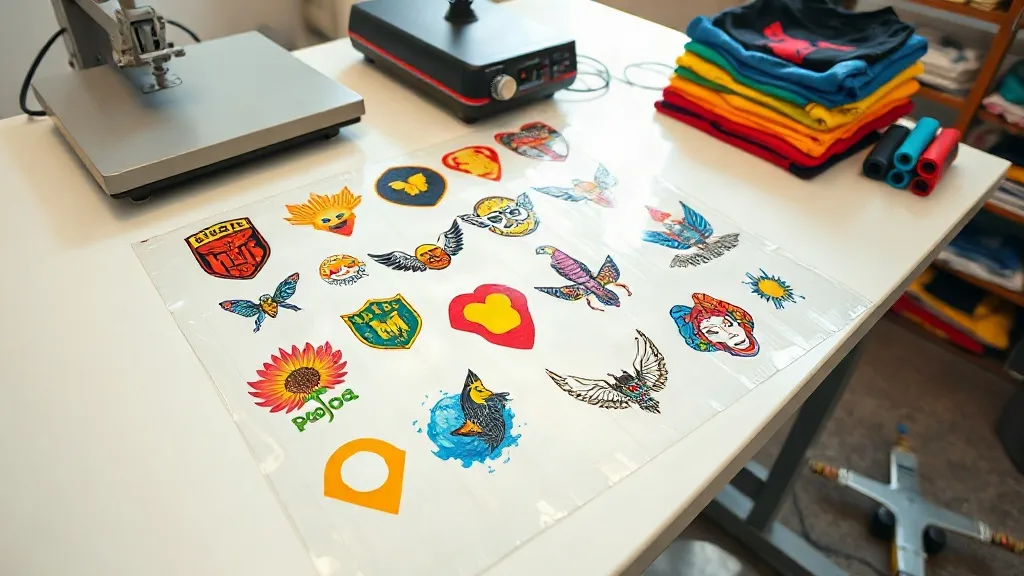
If you run a custom apparel business, you know the struggle: squeezing every penny out of production while keeping quality high and turnaround fast. That's where the DTF Gangsheet comes in. This innovative printing method lets you arrange multiple designs on a single sheet, maximizing efficiency and slashing waste. In this article, we'll dive into what DTF gangsheets are, why they're a game-changer, and how you can use them to grow your business.
What Exactly Is a DTF Gangsheet?
DTF stands for Direct-to-Film, a printing technology where designs are printed onto a special film, coated with adhesive powder, and then heat-pressed onto fabric. A gangsheet takes this a step further by combining multiple designs onto one large film sheet. Instead of printing each design individually, you gang them up, hence the name. This approach is similar to gang printing in offset lithography, where multiple jobs are combined on one sheet to save time and materials.
With DTF, you can print on a wide range of fabrics, including cotton, polyester, blends, and even dark colors, without the need for pre-treatment. The gangsheet method amplifies these benefits by allowing you to fill every inch of the film with designs, minimizing wasted space and reducing cost per print.
Why DTF Gangsheets Are a Smart Choice for Your Business
Whether you're a small print shop or a large-scale operation, DTF gangsheets offer several compelling advantages. Let's break them down.
Cost Efficiency
By maximizing the use of film and powder, you significantly lower your cost per design. Gangsheets reduce waste and let you take advantage of bulk pricing on materials. Plus, you can combine orders from different customers on one sheet, spreading the cost across multiple jobs.
Time Savings
Instead of running separate jobs for each design, you print everything at once. This streamlines your workflow, reduces setup time, and allows you to fulfill orders faster. For businesses that handle many small orders, this is a huge time-saver.
Versatility
DTF gangsheets work with virtually any fabric color and type. Whether you're printing on t-shirts, hoodies, tote bags, or even canvas shoes, the results are vibrant and durable. The prints stretch with the fabric and withstand repeated washing without cracking or fading.
Consistency
Printing multiple designs on the same sheet ensures consistent color and quality across the board. This is particularly important for team uniforms, event merchandise, or corporate apparel where uniformity matters.
How to Create a DTF Gangsheet: Step by Step
Ready to give it a try? Here's a simple guide to creating your own gangsheet.
- Design Your Layout: Use design software to arrange your designs on a canvas that matches the width of your DTF film (usually 13, 17, or 22 inches). Leave a small gap between designs to avoid color bleeding.
- Print the Film: Load the film into your DTF printer and print the gangsheet. Ensure your printer is calibrated for the film type you're using.
- Apply Adhesive Powder: While the ink is still wet, sprinkle the adhesive powder evenly over the printed area. Shake off excess.
- Cure the Powder: Use a heat press or oven to melt the powder until it becomes tacky. Follow the powder manufacturer's recommendations for temperature and time.
- Press onto Fabric: Cut out each design, place it on the fabric, and press with a heat press at the appropriate temperature and pressure. Peel the film while hot or cold, depending on the film type.
For best results, always do a test press on a scrap piece of fabric to dial in your settings.
Common Mistakes to Avoid with DTF Gangsheets
Even experienced printers can run into issues. Here are a few pitfalls to watch out for.
- Overcrowding: Leaving too little space between designs can cause ink to bleed and powder to stick where it shouldn't. Keep at least 0.25 inches of space.
- Inconsistent Powder Application: Too much powder leads to a stiff, crusty feel; too little results in poor adhesion. Use a powder shaker for even coverage.
- Improper Curing: Under-curing means the powder won't melt properly, leading to wash-off. Over-curing can scorch the film. Invest in a good heat gun or oven and monitor temperature.
- Wrong Fabric Settings: Different fabrics require different press settings. Always check the fabric's heat tolerance and adjust accordingly.
DTF Gangsheets vs. Other Printing Methods
How does DTF gangsheet printing stack up against screen printing, DTG, and vinyl? Let's compare.
- Screen Printing: Great for large orders of the same design, but setup costs are high. DTF gangsheets are more cost-effective for small to medium runs with multiple designs.
- DTG (Direct-to-Garment): Ideal for detailed designs on cotton, but requires pre-treatment and is limited to cotton-rich fabrics. DTF works on more fabrics and doesn't need pre-treatment.
- Vinyl: Good for simple text and shapes, but not for complex, multi-color designs. DTF handles intricate details and gradients with ease.
For businesses that need flexibility and efficiency, DTF gangsheets often come out on top.
Maximizing Your Gangsheet Efficiency
To get the most out of your gangsheets, consider these tips.
- Plan Your Layout: Use nesting software to automatically arrange designs and minimize wasted space.
- Group Similar Jobs: Combine designs with similar ink coverage and powder requirements to streamline production.
- Keep a Library of Common Designs: Pre-arrange popular designs on a gangsheet template to speed up repeat orders.
- Invest in Quality Supplies: Cheap film or powder can lead to inconsistent results and wasted time. Stick with reputable brands.
Frequently Asked Questions
What is the maximum width for a DTF gangsheet?
Most DTF printers support film widths of 13, 17, or 22 inches. Some industrial models can go up to 24 inches or more. Check your printer's specifications.
Can I use DTF gangsheets on dark fabrics?
Absolutely. DTF printing includes a white ink layer that makes colors pop on dark materials. Just ensure your printer is equipped with white ink and that you follow proper maintenance to prevent clogging.
How long do DTF prints last?
When properly applied and cared for, DTF prints can last 50+ washes without significant fading or cracking. Always turn garments inside out and wash in cold water to prolong life.
Do I need special software to create a gangsheet?
Any vector or raster design software (like Adobe Illustrator, Photoshop, or CorelDRAW) can be used. Some RIP software also includes gangsheet tools. The key is to arrange designs efficiently within your film width.
What's the difference between DTF and DTG?
DTG prints directly onto the garment, while DTF prints onto a film that is then transferred. DTF works on more fabrics and doesn't require pre-treatment, making it more versatile for gangsheet production.