
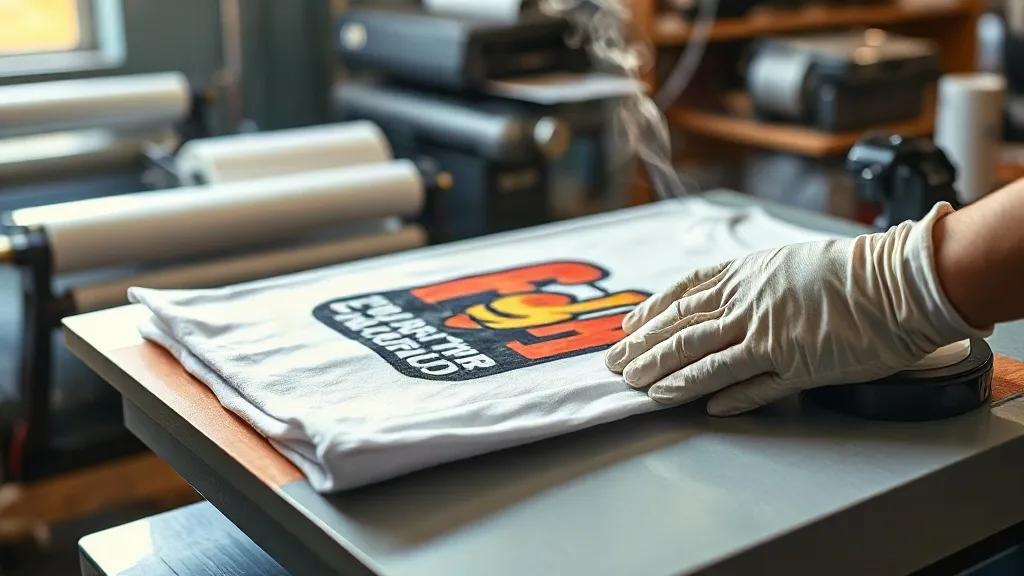
Ever wondered how some t-shirts boast incredibly detailed, full-color designs that seem to pop right off the fabric? The secret often lies in dtf transfers, a game-changing printing technology that's taking the apparel world by storm. Whether you're a small business owner looking to expand your product line or a DIY enthusiast eager to create custom gear, understanding DTF transfers can open up a world of creative possibilities.
What Are DTF Transfers?
DTF stands for Direct-to-Film. It's a printing method where your design is printed onto a special film, then coated with a powder adhesive and cured. Once ready, the transfer is placed onto fabric and heat-pressed, bonding the design permanently. Unlike other methods, DTF doesn't require pre-treatment of the fabric, making it incredibly versatile.
The DTF Process Step by Step
Here's a quick rundown of how dtf printing works:
- Design Preparation: Your artwork is prepared digitally, ensuring colors are vibrant and details are sharp.
- Printing: The design is printed onto a PET film using specialized DTF inks.
- Powder Application: While the ink is still wet, a hot-melt adhesive powder is applied evenly.
- Curing: The film is heated to melt the powder, creating a durable, flexible layer.
- Transfer: The film is placed on the fabric and heat-pressed, transferring the design.
This process allows for intricate designs with gradients, fine lines, and photorealistic images that other methods struggle to reproduce.
Why Choose DTF Transfers?
DTF transfers offer several advantages that make them a favorite among professionals and hobbyists alike.
Unmatched Versatility
DTF works on almost any fabric, including cotton, polyester, blends, and even nylon. This flexibility means you can apply the same transfer to different garment types without worrying about compatibility issues. Plus, no pre-treatment is needed, saving time and reducing costs.
Vibrant, Durable Prints
The colors achieved with DTF are incredibly vibrant and stand up well to repeated washing. The prints remain soft and stretchable, moving with the fabric without cracking or fading. This durability makes DTF ideal for sportswear, workwear, and everyday apparel.
Cost-Effective for Small Businesses
For startups and small shops, DTF eliminates the need for expensive equipment like screen setups or large inventory. You can order transfers in small batches, print on demand, and offer a wide range of designs without hefty upfront investments. This low barrier to entry allows you to test new designs and customize orders effortlessly.
Applications of DTF Transfers
From custom t-shirts to branded merchandise, DTF transfers have a place in nearly every textile project.
- Apparel: Create personalized t-shirts, hoodies, and hats for events, teams, or retail.
- Accessories: Decorate tote bags, backpacks, and even shoes with detailed logos or artwork.
- Home Decor: Add custom designs to pillows, curtains, and upholstery for a unique touch.
- Promotional Items: Produce branded giveaways like aprons or uniforms that showcase your business.
Because DTF adheres to so many materials, your creativity isn't limited by fabric type.
How to Source Quality DTF Transfers
When looking for dtf transfers near me, quality should be your top priority. Poorly made transfers can lead to faded colors, cracking, or poor adhesion. Here's what to consider:
- Reputation: Choose suppliers with positive reviews and a track record of consistent quality.
- Ink and Powder Quality: High-grade inks and adhesives ensure vibrant colors and long-lasting prints.
- Film Type: Look for transfers on quality PET film that releases cleanly.
- Customer Service: A responsive supplier can guide you on application settings and troubleshoot issues.
Many suppliers now offer online ordering with fast shipping, making it easy to get professional-grade transfers delivered to your door. Always request samples if possible to test compatibility with your fabrics and heat press.
Tips for Applying DTF Transfers
Getting the best results from your DTF transfers requires attention to detail during application. Follow these tips for flawless finishes:
- Preheat the Fabric: Remove moisture and wrinkles by pressing the garment for a few seconds before applying the transfer.
- Set the Right Temperature: Typically around 300-325°F (150-160°C), but always check the transfer supplier's recommendations.
- Use Consistent Pressure: Medium to firm pressure ensures even adhesion. Adjust your heat press accordingly.
- Peel Correctly: Wait for the transfer to cool completely before peeling the film for a matte finish, or peel hot for a glossy look.
- Post-Press: After peeling, press the design again for a few seconds with a protective sheet to secure the bond.
These steps help prevent common issues like incomplete transfer or premature peeling.
DTF vs. Other Printing Methods
How does DTF stack up against screen printing, DTG, and vinyl? Each has its strengths, but DTF shines in specific areas.
- Vs. Screen Printing: DTF is more cost-effective for small runs and complex designs, while screen printing excels in bulk orders with simple colors.
- Vs. DTG: DTF works on a wider range of fabrics, including polyester, and often produces more durable prints on synthetics.
- Vs. Vinyl: DTF handles intricate details and gradients better than cut vinyl, and it's softer on the fabric.
For businesses offering diverse products, DTF provides a versatile solution that can handle many requests without switching equipment.
Common Mistakes to Avoid with DTF Transfers
Even experienced printers can run into issues. Watch out for these pitfalls:
- Insufficient Pressure: Leads to poor adhesion; always test your press settings.
- Wrong Temperature: Too hot can scorch the film; too cold results in incomplete transfer.
- Peeling Too Soon or Too Late: Follow the recommended peel method for your film type.
- Ignoring Fabric Type: Some fabrics require lower temperatures; always test on a swatch.
- Using Expired Film: Old film may not adhere properly; store transfers in a cool, dry place.
By avoiding these mistakes, you'll achieve professional-looking results consistently.
Frequently Asked Questions
How long do DTF transfers last?
With proper application and care, DTF prints can last as long as the garment itself, often 50+ washes without significant fading or cracking.
Can I use DTF transfers on dark colors?
Absolutely! DTF transfers include a white ink base that makes colors pop on dark fabrics, so you can print bright designs on black or navy shirts.
Do I need a special printer for DTF?
Yes, DTF requires a printer with DTF inks and a powder shaker, but many suppliers offer pre-printed transfers so you can skip the equipment investment.
What fabrics work best with DTF?
DTF adheres well to cotton, polyester, blends, and even nylon. It's not recommended for fabrics with heavy coatings or waterproof finishes.
How should I store DTF transfers?
Store them in a cool, dry place away from direct sunlight. Keep them flat to avoid creasing, and use within the recommended shelf life for best results.
DTF transfers have revolutionized custom apparel by making high-quality, full-color printing accessible to everyone. Whether you're launching a clothing line or creating one-of-a-kind gifts, this technology delivers impressive results with minimal fuss. Ready to bring your designs to life? Explore quality DTF transfers today and experience the difference.