
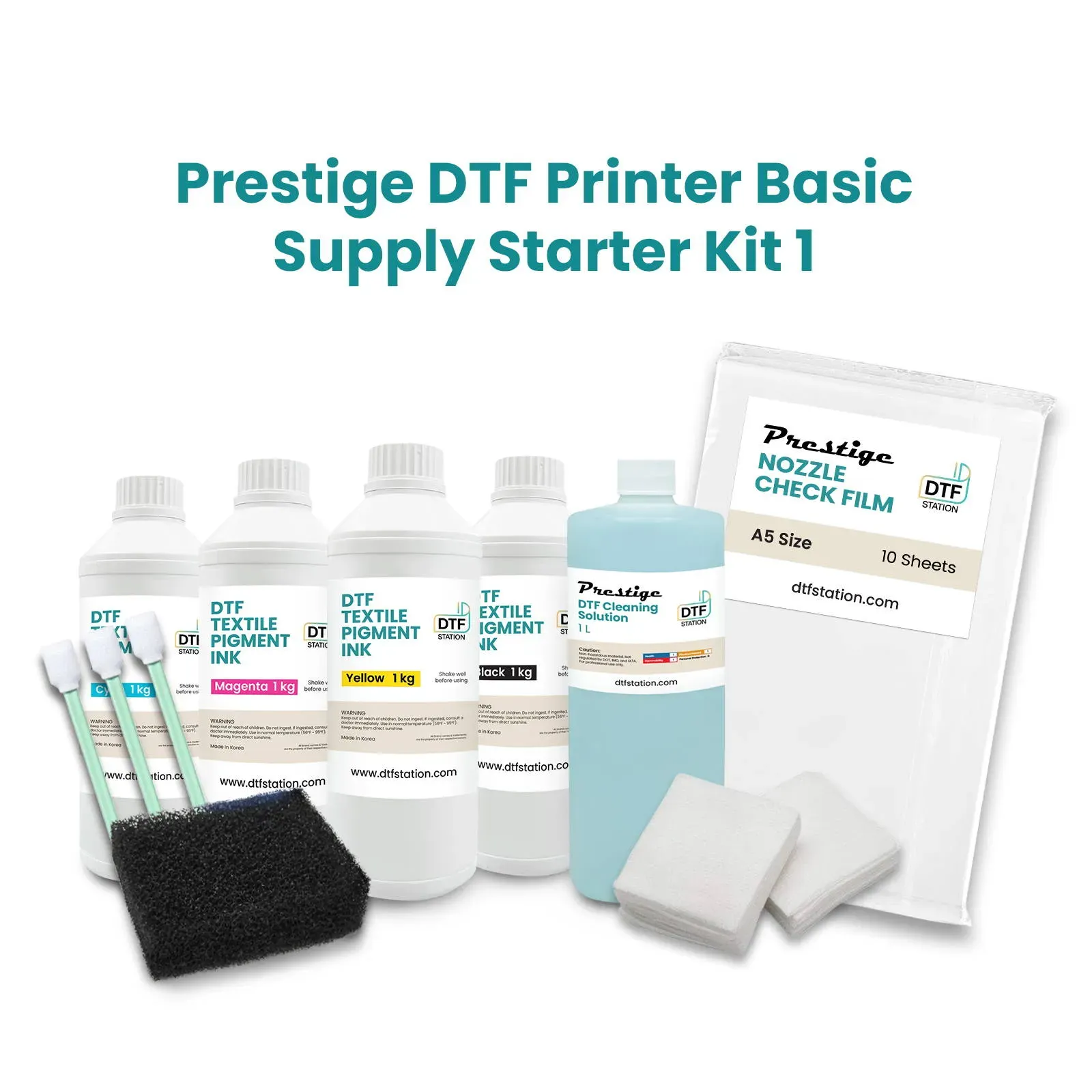
DTF Supplies are essential for anyone looking to dive into the world of Direct-to-Film printing, which has become a transformative technique in the garment printing industry. With the capability to achieve vibrant and durable prints, a comprehensive understanding of these supplies is crucial for success. Among the key components, DTF transfer films, DTF inks, and specialized DTF printers play a pivotal role in determining print quality. Additionally, the use of heat press machines and adhesive powders enhances the overall efficiency of the printing process. As the demand for custom apparel continues to rise, leveraging quality DTF Supplies will ensure your prints stand out in a competitive market.
In the realm of modern garment printing, essential materials such as film transfers, specialized inks, and advanced printing machines are revolutionizing how designs are transferred onto fabrics. This innovative approach, often referred to as Direct-to-Film or DTF, relies heavily on key elements that contribute to print vibrancy and longevity. The integration of high-quality adhesive powders and effective heat application mechanisms, like heat press machines, allows for seamless transfers that adhere beautifully to various fabric types. As businesses and individuals seek to create custom designs, understanding these fundamental tools becomes imperative for achieving exceptional results. Delve into the world of DTF supplies to unlock your printing potential and stay ahead in the competitive apparel market.
Understanding DTF Transfer Films for Optimal Prints
DTF transfer films are pivotal to the success of any DTF printing venture, as they are the medium through which designs are printed and transferred onto fabrics. Made from superior materials like PET (Polyethylene Terephthalate), these films are engineered to withstand high temperatures during the heat transfer process. Different types of DTF films exist, including transparent and opaque varieties, each serving unique purposes based on the fabric and design intricacies. By opting for the right transfer film tailored to your specific project needs, you can ensure that your prints not only stand out in terms of color vibrancy but also adhere well to various types of fabrics.
When selecting DTF transfer films, consider the nuances of your printing projects. Transparent films are typically the go-to choice for light-colored fabrics, as they allow for the underlying material to show through and accentuate detailed designs. In contrast, opaque films are ideal for applications on dark fabrics, allowing colors to pop and maintain opacity. The quality of the film ultimately dictates the overall finish of the printed product, making it imperative to invest in high-quality films from reputable suppliers specialized in DTF printing.
The Role of Adhesive Powders in DTF Printing
Adhesive powders are an essential component of the DTF printing process, as they play a crucial role in ensuring that the ink adheres properly to the fabric during heat transfer. After applying the print onto the DTF transfer film, a layer of adhesive powder must be applied evenly to facilitate this critical bonding process. Two main types of adhesive powders are commonly used: hot-melt and cold-peel, each offering distinct advantages based on the desired outcome of the print. Hot-melt adhesives, for example, create a strong, permanent bond as they melt upon application of heat, while cold-peel alternatives allow for a more precise and controlled peeling process, contributing to a smoother finish.
Choosing the correct adhesive powder in relation to the type of fabric being printed on significantly impacts the durability and tactile quality of the end product. For instance, fabrics that stretch or move during wear may require specially formulated adhesives to maintain the integrity of the print over time. Additionally, with advancements in adhesive technology, many recent products claim to enhance adhesion without compromising the softness of the fabric, providing a more comfortable final product. Thus, understanding the role and types of adhesive powders is key to mastering DTF printing and ensuring customer satisfaction.
Exploring DTF Inks and Their Innovations
The choice of DTF inks is a fundamental element in the DTF printing equation, directly influencing the vibrancy and longevity of printed designs. Unlike conventional inks, DTF inks are water-based and specifically formulated to work optimally with DTF transfer films and specialized printers. The latest formulations on the market boast enhanced pigmentation and improved color densities, ensuring that prints are not only vivid but also eco-friendly. This shift towards more environmentally conscious inks resonates with a growing demographic of consumers and businesses keen on sustainable practices in textile production.
DTF inks vary widely in terms of their grade and compatibility with various fabrics. While some inks offer high opacity and saturation, others are designed to cater specifically to soft blends and delicate materials. It is imperative for printers to choose high-quality inks from reputable suppliers, such as Colorgate, known for their top-tier products dedicated to DTF processes. Regular advancements in ink technology will continue to redefine the possibilities within DTF printing, providing even more options for customization while meeting the rigorous demands of the industry.
Choosing the Right DTF Printers for Your Business
The selection of printers specialized for DTF printing is essential for ensuring successful, high-quality outputs. Not all printers are created with DTF capabilities, and understanding the specific requirements of DTF printing, such as the need to handle thicker film materials and specific types of DTF inks, is crucial for any buyer. Brands like Epson and Roland have established strong reputations for their DTF-compatible printers, often praised for their performance and reliability in producing detailed designs. Investing in a high-quality DTF printer not only enhances printing efficiency but also contributes to improved print resolution and overall results.
When purchasing a DTF printer, several critical factors should be taken into consideration. First, ensure that the printer has advanced capabilities for handling DTF transfer films and can accommodate the ink formulations required for DTF printing. Additionally, consider the machine's ink capacity and print speed, as these factors directly affect productivity, especially for businesses aiming to fulfill larger orders. By making informed decisions about printer investments, businesses can enhance their production capabilities and capitalize on the growing demand for custom textiles.
Selecting Quality Heat Press Machines for DTF Applications
Heat press machines are at the heart of the DTF printing process, responsible for transferring designs from the DTF transfer film to the fabric itself. These machines must accurately apply consistent heat and pressure to achieve optimal results, ensuring that prints adhere well without damaging the material. When investing in a heat press, key features to assess include temperature accuracy and pressure control. High-quality machines allow for precise temperature settings that are critical for accommodating various fabric types, from delicate materials requiring lower temperatures to sturdier fabrics that can withstand higher heat.
Regular maintenance of heat press machines is equally important to avoid inconsistencies in transfers. Considering how often these machines are used in a printing business, it is advisable to select models that come with warranties and easy access to replacement parts. Moreover, as the DTF printing industry continues to evolve, newer models may offer advanced features such as digital displays for temperature and time settings, contributing to the overall efficiency of the printing process. Thus, choosing the right heat press is a pivotal step in ensuring the success of any DTF printing operation.
The Importance of Maintenance Supplies in DTF Printing
To maintain peak performance of DTF equipment, having a solid stock of maintenance supplies is crucial. Regular maintenance not only prolongs the lifespan of printers and heat press machines but also ensures consistent high-quality output throughout the printing process. Essential maintenance items include cleaning solutions, which are necessary to keep printers free of ink debris and build-up, and replacement parts, such as printer heads that may wear down due to frequent use. Implementing a routine maintenance schedule can minimize downtime and reduce the risk of unforeseen issues that could halt production.
Investing in maintenance supplies is a proactive strategy that rewards printing businesses with increased efficiency and reliability. By keeping equipment in top condition, printers can ensure that every job meets their quality standards while maximizing the usage of their DTF supplies. Furthermore, understanding how to properly care for your tools and when to apply cleaning solutions or software updates can significantly impact the overall printing operation. Therefore, a well-rounded maintenance approach is fundamental not just for equipment longevity, but also for maintaining customer satisfaction through high-quality deliverables.
Frequently Asked Questions
What are DTF transfer films and why are they important for DTF printing?
DTF transfer films are the backbone of DTF printing, specifically designed to receive ink and transfer colorful designs onto fabrics. Their quality directly impacts the vibrancy and adherence of prints to different materials. Using high-quality DTF transfer films made from PET can greatly enhance your printing results.
How do adhesive powders work in the DTF printing process?
Adhesive powders are essential in DTF printing, as they ensure that the ink printed on DTF transfer films adheres properly to the fabric during the heat transfer process. Using the right type of adhesive powder, such as hot-melt or cold-peel, can significantly improve the durability and feel of the final print.
What type of inks are used in DTF printers, and what benefits do they provide?
DTF inks are specially formulated water-based inks that offer high color density and vibrancy, making them ideal for a variety of fabric types. Their eco-friendly formulation contributes to a better printing experience while ensuring that prints are rich in color and long-lasting.
What should I consider when selecting a DTF printer for my projects?
When choosing a DTF printer, it’s crucial to select one that is compatible with DTF inks and capable of handling the thickness of DTF transfer films. Brands like Epson and Roland are renowned for their reliable printers that meet the specific needs of DTF printing.
Why are heat press machines essential in DTF printing, and what features should I look for?
Heat press machines are vital in DTF printing because they apply the necessary heat and pressure to transfer designs from DTF films to garments. Look for features such as temperature accuracy and adjustable pressure controls to ensure high-quality transfer results across various fabric types.
How can I maintain my DTF supplies to ensure optimal performance?
Regular maintenance of DTF supplies, including cleaning solutions for printers and replacement parts, is key to prolonging their lifespan and functionality. Proper maintenance helps avoid downtime and ensures consistent high-quality printing output.
| Essential DTF Supplies | Description | Importance |
|---|---|---|
| DTF Transfer Films | Films made from PET designed for transferring ink onto fabrics, available in transparent and opaque varieties. | Crucial for achieving color vibrancy and adherence on different fabric types. |
| Adhesive Powders | Powders that ensure ink adheres during the heat transfer process, including hot-melt and cold-peel options. | Significantly impacts durability and feel of the printed garment. |
| Inks | Water-based inks that are formulated for DTF printing, offering high color density and eco-friendliness. | Fundamental to achieving stunning and vibrant prints. |
| Printers | Specialized printers designed for DTF, ensuring compatibility with specific inks and films. | Essential for effective and high-quality prints; not all printers are suitable for DTF. |
| Heat Press Machines | Devices that apply heat and pressure to transfer prints onto garments, crucial for effective application. | Key to ensuring successful and durable transfers without damaging fabrics. |
| Maintenance Supplies | Includes cleaning solutions and replacement parts for upkeep of printing equipment. | Minimizes downtime and prolongs equipment lifespan, ensuring consistent production quality. |
| Current Trends | Innovations in adhesives and eco-friendly options that improve print quality and sustainability. | Enhances print durability and appeals to environmentally conscious consumers. |
| Suppliers | Notable suppliers like Colorgate, ProColor, and FTV Printing provide essential DTF materials. | Establish a competitive edge through high-quality supplies and innovations in DTF technology. |
| Future Prospects | Growth driven by demand for custom apparel and advantages over traditional methods. | Investing in DTF supplies now can yield substantial returns as the market expands. |
Summary
DTF Supplies are fundamental for anyone looking to dive into the world of garment printing, as they encompass a range of equipment and materials that ensure high-quality results. Understanding and utilizing these essential supplies—from DTF transfer films and adhesive powders to specialized printers and heat press machines—can significantly enhance the printing experience. Whether you are a hobbyist or a professional, mastering the use of DTF supplies is key to achieving vibrant, durable prints and remaining competitive in the evolving marketplace. As trends move toward sustainability and innovation, staying informed on the best supplies and practices will position you for success in this dynamic industry.