
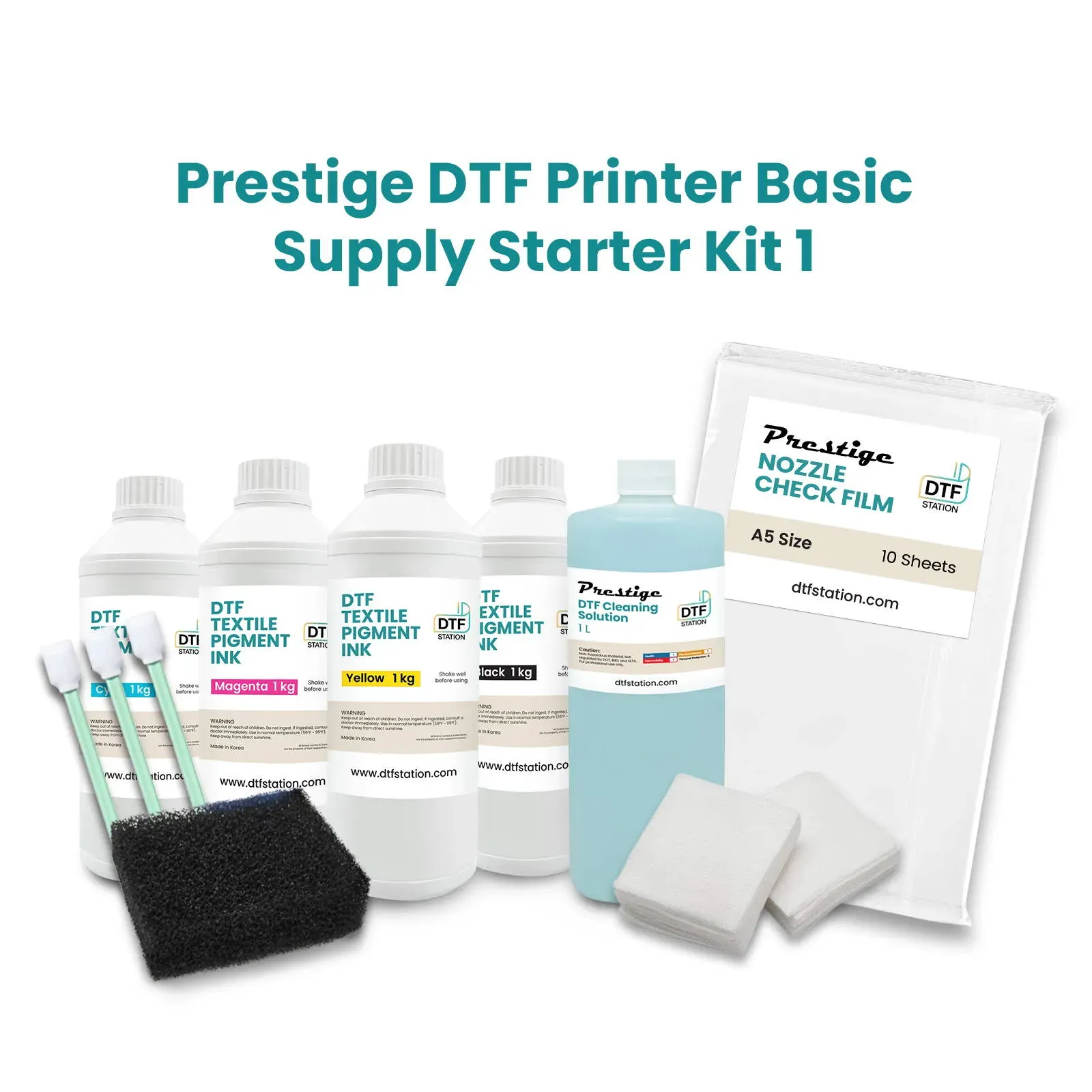
In the dynamic realm of custom apparel, DTF supplies play a pivotal role in revolutionizing textile printing. Thanks to a cutting-edge process known as DTF printing, businesses can create vibrant designs with remarkable durability on various fabrics. Essentials like DTF films, DTF inks, and adhesive powder form the backbone of this method, enabling smooth transfers that withstand the test of time. As the demand for personalized clothing continues to soar, mastering the intricacies of DTF supplies is crucial for those looking to excel in the industry. Join us as we delve into the fundamentals and innovations that are shaping the future of custom printing.
Known as Direct-to-Film printing, this technique is transforming how designs are applied to fabric, making it an ideal choice for many creators and decorators. Within this innovative approach, the use of specialized film, pigmented ink, and a unique adhesive powder allows for high-quality prints that are not only aesthetically pleasing but also exceptionally durable. With various alternatives in the market, such as custom printing solutions and textile transfer methods, understanding the essentials becomes vital for achieving the best results. As the landscape of apparel decoration evolves, familiarizing yourself with these supplies paves the way for exciting opportunities in the industry. Embrace the possibilities presented by these technologies, and elevate your custom printing projects to new heights.
Understanding the Core Components of DTF Supplies
To embark on a successful journey into DTF printing, it's essential to have a clear understanding of the core components involved. The primary supplies include **DTF films**, **DTF inks**, and **adhesive powder**. Each of these elements plays a critical role in creating vibrant, high-quality designs that resonate with customers. **DTF films** are typically made from durable materials that can withstand the printing process. Available in different gauges and sizes, they are specifically engineered to provide an optimal surface for ink adhesion and transfer. This choice of film can impact the clarity and vibrancy of your final product, making it paramount to select the right type for your desired application.
Next up are **DTF inks**, which are formulated for compatibility with **DTF films** and must be chosen carefully to ensure exceptional color reproduction. These inks are usually water-based, making them a smart choice for those looking to minimize environmental impact. The vibrancy achieved with high-quality DTF inks ensures that your designs pop, increasing their appeal in a competitive market. Lastly, **adhesive powder** serves as a binding agent that adheres the printed image to the fabric after the heat transfer process. The right adhesive powder will guarantee durability, ensuring that prints remain intact after multiple wash cycles.
The Advantages of DTF Printing in Custom Apparel
One of the most significant advantages of **DTF printing** is its versatility. It allows designers to print intricate designs on various types of fabrics, including cotton, polyester blends, and more. This flexibility opens up a wide range of possibilities for custom apparel printing, allowing businesses to cater to diverse fabric needs without significant adjustments or delays. Moreover, the straightforward application process means that even complex designs can be transferred efficiently, paving the way for quicker turnarounds and increased production capabilities.
In addition to versatility, **DTF printing** also offers exceptional durability. Unlike other printing methods, designs produced through DTF are less prone to fading or peeling, even after numerous washes. This longevity is largely due to the quality of **DTF inks** and the bonding power of the adhesive powder used in the process. This ensures that customers receive products that not only look great at the point of sale but continue to impress long after the purchase. As a result, businesses that leverage DTF printing can enhance customer satisfaction and loyalty, leading to repeat business and a solid reputation in the custom apparel marketplace.
Recent Advances in DTF Supply Technology
The world of **DTF supplies** is continually evolving, with technological advancements playing a crucial role in its growth. Recent developments in **ink formulations** have enhanced the performance of DTF inks, focusing on improving color quality and adhesion to a wider variety of fabrics. These innovations not only help increase the aesthetic appeal of prints but also boost their resistance to wear and tear. Such improvements are vital for businesses that want to stay competitive while delivering high-quality products to their customers.
Furthermore, advancements in the manufacturing process of **DTF films** and **adhesive powders** have contributed to significant reductions in costs, making DTF printing more accessible for small businesses. With increasing competition in the market, understanding these technological innovations can give printers the edge they need to offer superior products at attractive price points. By keeping abreast of the latest developments in DTF supply technology, businesses can better strategize their offerings, optimize their operations, and ultimately increase their profitability.
Market Predictions for DTF Printing by 2025
As we gaze toward 2025, the landscape of **DTF printing** is expected to be marked by significant shifts and trends that could redefine the industry. One such trend is the increasing adoption of DTF printing methods within the custom apparel sector, driven by their adaptability to a range of textiles and colors. Businesses are likely to incorporate DTF techniques into their production repertoire with the aim of creating unique, tailored designs that meet the diverse preferences of modern consumers.
Additionally, eco-friendly practices are anticipated to prevail within the DTF printing market, influencing the demand for sustainable **DTF films** and inks. As consumers become more environmentally conscious, businesses that prioritize eco-friendly materials and practices will likely find their products more appealing. This move toward sustainability not only meets consumer demand but also positions companies as industry leaders in responsible manufacturing, thus enhancing brand loyalty and attracting a broader customer base.
Essential Tips for Optimizing Your DTF Printing Process
To elevate your DTF printing projects, implementing best practices is key. Start by testing different **DTF inks** to determine which blends yield the best colors and durability for your specific needs. Also, consider creating samples with varying ink brands to compare the results—this can save costs in the long run by ensuring high-quality outputs. Taking the time upfront to find the right inks will lead to enhanced final products that delight clients and uphold your brand’s reputation.
Equally important is the selection of high-quality **DTF films**. Choosing the best films directly impacts the transfer quality of your prints—investing in superior materials will prevent issues such as poor adhesion and fading. Additionally, adhere strictly to the recommended heat settings for the different materials used in DTF transfer. Each fabric type may require unique curing times, and being diligent about these specifications can drastically improve your print outcomes, ensuring that they stand the test of time while maintaining their vibrant appearance.
Conclusion: The Future of DTF Printing
In conclusion, the realm of **DTF supplies** holds great promise for the future of custom apparel printing. As businesses invest in high-quality materials and embrace the latest advancements in technology, the quality and durability of prints will only improve. This makes DTF printing not only a viable option for established printing companies but also an exciting entry point for small businesses looking to expand their offerings in the custom market.
The ongoing evolution towards sustainability and technological refinement will likely result in a robust DTF printing sector that meets the dynamic needs of consumers. By staying informed about emerging trends and continuously optimizing their processes, businesses can harness the full potential of DTF printing, solidifying their position in the competitive landscape and prospering in the years to come.
Frequently Asked Questions
What are the essential DTF supplies required for printing?
The essential DTF supplies for successful printing include DTF films, DTF inks, and adhesive powder. DTF films provide the surface on which designs are printed, while high-quality DTF inks ensure colorful and durable prints. Adhesive powder binds the ink to the fabric during the heat transfer process.
How do DTF inks compare to other printing inks?
DTF inks are predominantly water-based, offering environmental benefits as well as excellent color reproduction. They are specifically formulated to adhere well to DTF films and fabrics, ensuring vibrant and long-lasting prints compared to traditional solvent-based inks.
What types of fabrics can I use with DTF printing?
DTF printing is versatile and can be used on a variety of fabrics, including cotton, polyester blends, and both light and dark textiles. This adaptability makes it an excellent choice for custom apparel printing across diverse fabric types.
How does adhesive powder aid in the DTF printing process?
Adhesive powder is critical in the DTF printing process as it binds the printed ink to the fabric during the heat transfer. After the ink is printed onto the film, adhesive powder is sprinkled over it, ensuring that when heat is applied, the print adheres securely to the fabric.
What should I consider when choosing DTF films for my projects?
When selecting DTF films, prioritize high-quality films made from polyethylene terephthalate (PET) material. Ensure the films are coated for better image transfer and available in sizes that fit your design requirements, as this will affect the final print quality.
Are there specific heat settings for DTF printing that I need to follow?
Yes, each fabric type requires specific heat settings for DTF printing. Follow the manufacturer’s recommendations for heat settings and curing times to ensure optimal adhesion and transfer quality, as improper settings can lead to poor results.
| Component | Description |
|---|---|
| DTF Films | High-quality polyethylene terephthalate (PET) films used for transferring images to fabric. |
| DTF Inks | Water-based inks that ensure vibrant colors and excellent durability. |
| Adhesive Powder | Powder applied to wet ink that helps bond the print to the fabric during heat transfer. |
Summary
DTF supplies play a vital role in the realm of custom apparel printing. Understanding the core components such as DTF films, inks, and adhesive powders is essential for anyone looking to thrive in this innovative field. As the market continues to evolve with advanced technologies and eco-friendly options, DTF supplies are becoming more accessible and cost-effective. This positions DTF printing as a premier choice for businesses eager to offer high-quality, sustainable products. By investing in quality materials and techniques, you can ensure vibrant and durable prints that meet customer expectations in a competitive industry.