
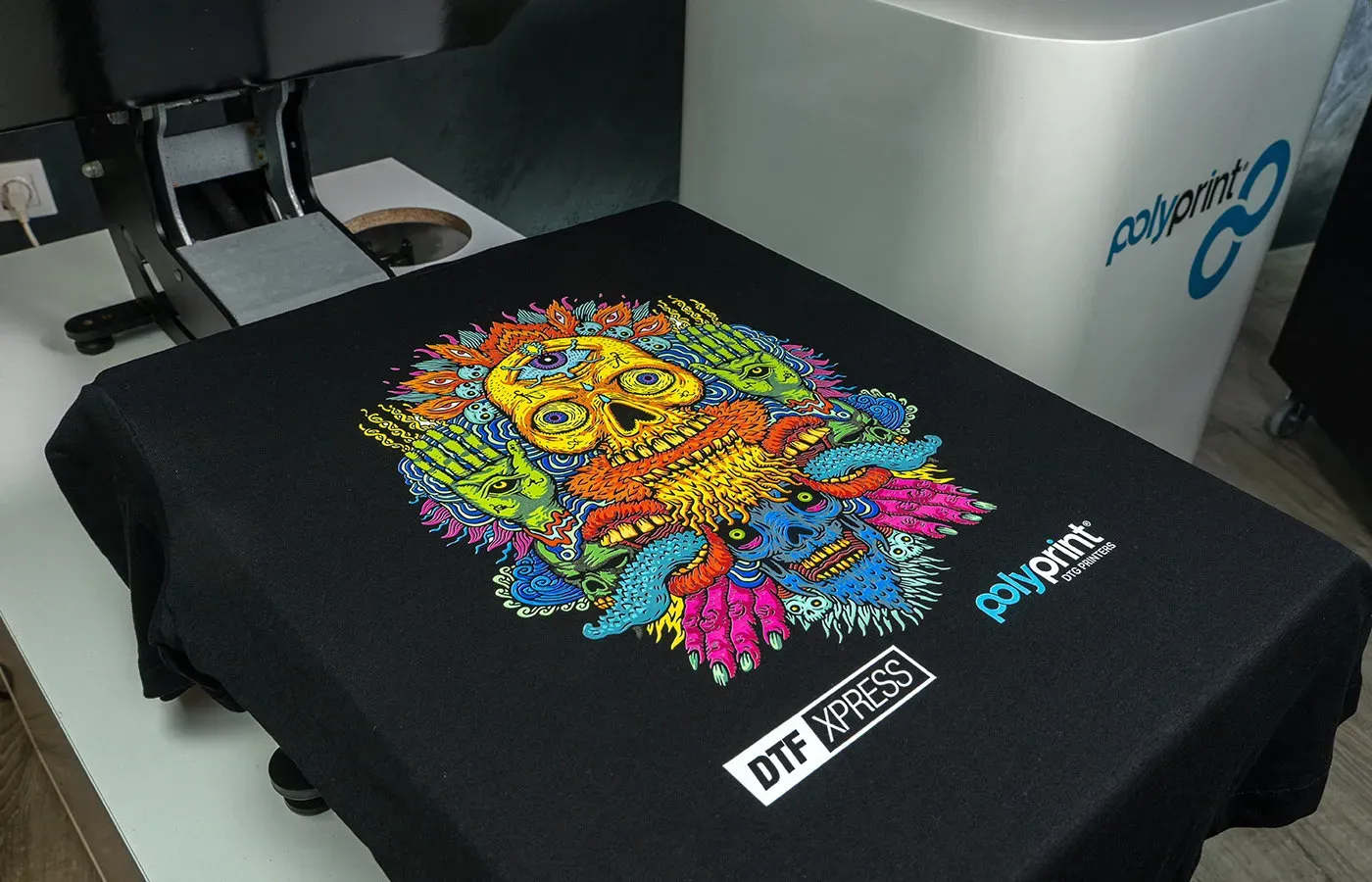
DTF printing, or Direct-to-Film printing, is revolutionizing the world of textile printing by introducing a seamless method for transferring designs onto fabrics. This innovative technique utilizes advanced Direct-to-Film technology, allowing for high-resolution images that are both vibrant and long-lasting. As the demand for custom fabric printing surges, DTF printing benefits from its versatility, catering to everything from personalized apparel to promotional products. With its ability to deliver intricate designs without the extensive setup typically associated with traditional methods, DTF printing stands at the forefront of the future of textile printing. In this blog post, we will delve deeper into this exciting technology, exploring its applications, benefits, and the reasons behind its growing popularity.
When it comes to modern textile decoration, the landscape is shifting with the emergence of innovative printing techniques like Direct-to-Film technology. This method has gained traction as a preferred option for custom fabric printing, offering versatility and efficiency that traditional methods can struggle to match. By using a unique film transfer process, businesses can achieve stunning designs with remarkable detail and color intensity. As the industry evolves, the appeal of DTF printing extends beyond just apparel, opening up new avenues for soft signage and other unique fabric applications. Understanding these advancements is crucial as we examine the future of textile printing and the myriad possibilities it brings to creators and consumers alike.
Understanding DTF Printing Technology
Direct-to-Film (DTF) printing technology is a breakthrough innovation in the world of textile printing. This method transcends traditional approaches like screen printing and Direct-to-Garment printing by utilizing a unique process that involves printing on a special film, which is then transferred onto textiles. The versatility of DTF printing allows it to produce vibrant and detailed designs that are capable of adhering to a variety of fabric types, including cotton and polyester. Furthermore, DTF technology has built-in options for personalization, catering to the increasingly demanding custom fabric printing market.
The DTF printing process begins with the application of special inks onto a transferred film. Once the desired design is printed, an adhesive powder binds the ink to the film, ensuring the highest quality of transfer. This not only enhances the durability of the prints, allowing them to withstand multiple washes, but also produces colors that truly pop, capturing the eye with their vibrancy. As technology progresses, DTF is set to solidify its place at the forefront of textile and custom fabric printing solutions.
Advantages of DTF Printing: Why It Stands Out
One of the most significant benefits of DTF printing is its cost-effectiveness, particularly for small to medium-sized businesses. Unlike traditional printing methods that often require extensive setup times and high investment costs, DTF printing allows for quick and affordable production runs. This technology enables businesses to offer custom designs without the constraints of minimum order quantities, making personalized apparel more accessible than ever.
In addition to financial advantages, DTF printing also supports creative freedom. With its ability to print intricate designs and vivid colors on-demand, businesses can experiment with a myriad of styles and finishes. This flexibility not only improves customer satisfaction but also promotes brand loyalty, as consumers are increasingly drawn to unique and customized products that reflect their individual tastes.
The Future of Textile Printing with DTF
As we look towards the future, DTF printing is poised to become a leading technology in the textile printing industry. Ongoing advancements in printer designs and inks will continue to enhance the overall quality and efficiency of printing processes. Innovations like eco-friendly water-based inks align with the growing consumer demand for sustainable business practices, indicating that DTF is not just a fleeting trend, but rather a substantial shift in how textiles are printed and produced.
Moreover, the versatility of DTF printing means it is adaptable to various industries beyond fashion, including home textiles and promotional items. This wider appeal opens up new markets, ultimately driving further growth and development in the field of textile printing. As more businesses recognize the benefits and potential of DTF technology, we are likely to see a significant transformation in the landscape of custom fabric printing.
Comparing DTF Printing with Other Techniques
When measuring DTF printing against other popular methods like DTG and screen printing, several key differences emerge that highlight DTF's advantages. Unlike Direct-to-Garment printing, which requires specialized pre-treatment and is limited to lighter fabrics, DTF printing offers flexibility with a broad spectrum of materials and colors. Furthermore, its quick process and lower production costs make it a more attractive option for businesses looking to meet consumer demand for custom designs.
Similarly, while screen printing is renowned for its durability, it often necessitates longer setup times and can be costly for small runs. DTF eliminates many of these barriers, making it an immediate consideration for new businesses and entrepreneurs aiming to enter the custom fabric printing space. By contrasting DTF printing with other techniques, it becomes evident that DTF is not only a viable choice but a preferred one for future-proofing businesses in a competitive market.
Applications of DTF Printing in Diverse Industries
The applications of DTF printing extend far beyond apparel, demonstrating its versatility across multiple industries. From custom t-shirts that capture personal or promotional messages to intricate designs on sportswear, DTF enables manufacturers to cater to various niches. The technology is also making headway into home textiles, creating unique decorative items such as throw pillows and curtains that add a personal touch to interior design.
Moreover, the promotional products sector is benefitting immensely from DTF's capabilities. Businesses can now produce custom-branded items with ease, such as bags, hats, and even soft signage for events. The ability to print on-demand allows for rapid response to market needs, ensuring that brands can meet customer preferences at any given moment. This flexibility positions DTF printing as an essential tool in the arsenal of businesses seeking innovative ways to expand their product offerings.
Exploring DTF Printing Benefits for Entrepreneurs
For entrepreneurs venturing into the world of custom fabric printing, DTF printing presents a wealth of benefits that can propel their success. The technology’s low barrier to entry, combined with minimal setup requirements, allows new business owners to launch quickly without overextending financially. As they navigate the complexities of starting a business, the efficiency of DTF printing can help them focus on brand building, marketing, and growing their customer base.
Furthermore, the eco-friendly advancements within the DTF printing sector are attracting a socially-conscious consumer base. Entrepreneurs who incorporate sustainable practices into their operations are likely to foster stronger brand loyalty, as customers tend to favor businesses that align with their values. As a result, the incorporation of DTF printing not only supports operational efficiency but also strengthens businesses’ ethical commitments in today's environmentally-aware market.
Frequently Asked Questions
What is DTF printing and how does it work?
DTF printing, or Direct-to-Film printing, is an innovative textile printing method where designs are printed on a specially coated film before being transferred onto fabrics. This process uses adhesive powder to ensure strong ink adherence, allowing for vibrant colors and detailed designs on various materials.
What are the benefits of DTF printing compared to other textile printing methods?
DTF printing offers several benefits over traditional methods like screen printing and Direct-to-Garment (DTG) printing, including lower setup costs, faster production times, and the ability to print on a wide range of fabrics. Additionally, DTF prints boast excellent color depth and durability, making it ideal for custom fabric printing.
How does DTF printing ensure vibrant and durable prints?
The vibrancy and durability of DTF printing come from its use of eco-friendly inks and superior adhesion properties. These advancements allow the inks to bond effectively with the fabric during the transfer process, resulting in bright prints that withstand frequent wash cycles without fading.
What types of fabrics can be used in DTF printing?
DTF printing can be applied to a variety of materials, including cotton, polyester, and blended fabrics. This versatility makes it suitable for many applications, from personalized apparel to home textiles and promotional products, broadening the scope of custom fabric printing options.
What is the future of textile printing with DTF technology?
The future of textile printing looks promising with DTF technology at the forefront. As market demand for personalized and sustainable products grows, DTF printing is expected to expand into new areas, including soft signage and accessories, providing businesses with cost-effective and high-quality custom printing solutions.
How can small businesses benefit from DTF printing?
Small to medium-sized enterprises (SMEs) can greatly benefit from DTF printing due to its affordability, speed, and customization capabilities. This method allows businesses to create unique designs quickly, meet consumer demands for personalized apparel, and diversify their product offerings without significant investment.
| Key Points | Details |
|---|---|
| What is DTF Printing? | A method transferring designs from coated film onto fabric using adhesive powder for vibrant and durable prints. |
| Technology Advancements | Includes enhanced printer designs, superior water-based eco-friendly inks, and improved adhesion properties. |
| Market Growth | Rapid growth among SMEs for personalized apparel, accessories, soft signage, home textiles, and promotional products. |
Summary
DTF printing is revolutionizing the textile printing industry by enhancing how designs are transferred onto fabrics. This innovative technique not only offers vibrant color options but also caters to the increasing demand for customization and sustainability. With technological advancements in printer designs and ink formulations, DTF printing stands out as a superior choice for businesses seeking efficiency and quality. As the market for DTF printing continues to grow, it opens new avenues for personalized apparel and diverse product applications, solidifying its position as a preferred method in the textile printing landscape.