
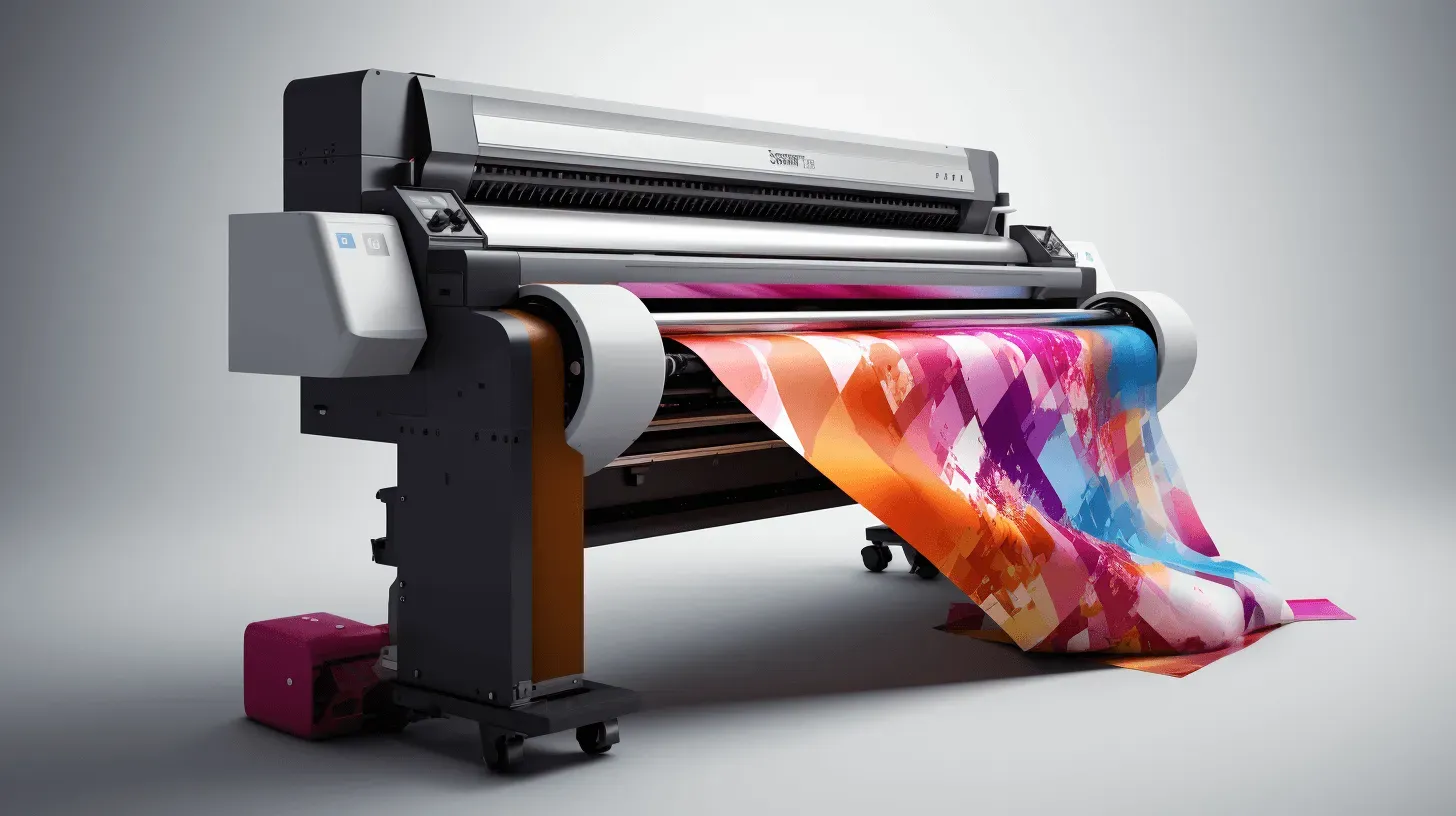
In the world of customization, **DTF printing** has emerged as a revolutionary technology, streamlining the process of creating vibrant, detailed designs directly onto apparel. This innovative method, known as Direct-to-Film printing, caters to the rising demand for personalized products, making it a go-to choice for businesses aiming to engage with consumers on a unique level. As a versatile printing technology, DTF empowers creators to transform their ideas into reality, regardless of fabric type. Moreover, its economical nature and sustainable printing practices align with consumer preferences for eco-friendly solutions. In this article, we will delve into the profound impact of DTF printing on custom apparel, exploring its market growth, technological advancements, and environmental considerations.
Direct-to-Film printing, often abbreviated as DTF, represents an exciting advancement in the realm of on-demand printing solutions. This approach enables designers and businesses to imprint intricate patterns and vivid colors on various textiles, making it an essential technique for anyone in the custom apparel market. With the increasing consumer desire for unique, tailored products, this technology not only fulfills these needs but also supports sustainable printing methods. Also referred to as film transfer printing, DTF offers numerous advantages, including rapid production times and versatility across multiple fabric types. As we explore further, you’ll discover how this innovative printing method is paving new avenues for personalization and creativity.
Understanding the Basics of Direct-to-Film (DTF) Printing
Direct-to-Film (DTF) printing represents a revolutionary step in the field of custom apparel and textile printing. Unlike traditional methods that rely on screens or direct ink application, DTF printing involves creating a transfer film that captures intricate designs vibrantly and accurately. This process begins by printing designs onto a specialized film using high-quality, water-based inks. Once printed, the film is then heat-pressed onto suitable fabrics, allowing the color and design to transfer seamlessly. This method not only ensures high fidelity of color but also offers businesses the flexibility needed to cater to varying fabric types.
The appeal of DTF printing lies in its adaptability and user-friendly operation. It eliminates the need for extensive pre-press processes common in screen printing, allowing businesses to efficiently manage short-run orders. As a result, DTF printing is ideal for startups and small enterprises aiming to enter the custom apparel market without significant upfront investment. Furthermore, the precision of DTF technology means that businesses can offer intricate and detailed designs, appealing to consumers looking for unique, personalized products.
The Growth and Impact of Custom Apparel Market
The custom apparel market has witnessed significant growth in recent years, fueled by a burgeoning consumer demand for personalized products. With a projection of reaching over $10 billion by 2025, the landscape is rapidly evolving, favoring innovative printing technologies like DTF. Brands are leveraging this trend by adopting DTF printing to offer consumers bespoke clothing options that reflect personal style and identity. This shift not only enhances customer satisfaction but also fosters brand loyalty as consumers appreciate the unique offerings tailored to their preferences.
Moreover, DTF printing allows for rapid prototyping and on-demand production, which is essential in today’s fast-paced retail environment. Businesses can adjust their offerings based on real-time consumer trends without the risk of overproduction—an essential advantage in mitigating waste. As e-commerce continues to expand, companies embracing DTF printing will likely thrive, as they can meet the demand for quick customization and unique designs in a cost-effective manner.
Advancements in DTF Technology for Enhanced Quality
Recent technological advancements in DTF printing have significantly boosted print quality and efficiency. The integration of improved print head technology has enabled printers to apply ink with greater precision, producing highly detailed and vibrant images. Coupled with enhanced ink formulations that promote durability, DTF prints can withstand multiple washes while retaining their visual appeal. This evolution not only addresses common concerns about print longevity but also elevates the overall quality of custom apparel products.
Additionally, the advent of user-friendly design software systems aligns perfectly with the DTF process. These systems allow creators and businesses to seamlessly design their custom apparel with minimal technical barriers. By simplifying design workflows, DTF technology opens the door for artists, small businesses, and entrepreneurs to translate their creative visions into tangible products efficiently. This accessibility is a game-changer in the customization industry, driving innovation and expanding the market base.
A Versatile Approach to Printing Across Fabrics
One of the greatest advantages of DTF printing is its remarkable versatility across a wide array of textiles. Whether printing on cotton, polyester, or blended fabrics, DTF technology excels at creating vibrant designs on various material types. This adaptability not only broadens the scope of potential products—from t-shirts and hoodies to tote bags and home décor—but also allows businesses to access multiple market segments without the need for various specialized equipment.
Moreover, DTF printing is particularly economical for small production runs, making it an attractive option for new businesses. By eliminating the need for costly setup fees associated with traditional printing methods, startups can compete effectively in the custom products niche. This versatility and cost-effectiveness empower entrepreneurs to innovate and respond quickly to changing consumer demands, ensuring relevance in a competitive marketplace.
Sustainability in DTF Printing Practices
As sustainability becomes a focal point for consumers and businesses alike, DTF printing offers a more eco-friendly alternative to conventional printing methods. Traditional print techniques often rely on solvent-based inks, which can pose environmental risks. In contrast, DTF printing primarily utilizes water-based inks that minimize harmful emissions and reduce environmental impact. This aligns perfectly with the growing consumer preference for sustainable and socially responsible brands.
By adopting DTF printing, businesses can promote their commitment to environmental stewardship while attracting eco-conscious customers. This practice not only enhances brand image but also positions companies as leaders in sustainability within the customization industry. As the market continues to grow, integrating sustainable practices will be essential for businesses seeking to retain existing customers while attracting new ones who prioritize eco-friendly products.
E-Commerce Growth and the Future of DTF Printing
The rise of e-commerce has drastically transformed the retail landscape, and DTF printing is at the forefront of this revolution in custom apparel. The technology's quick turnaround times and ability to fulfill personalized product orders make it highly appealing to online retailers. Entrepreneurs can leverage DTF printing to create on-demand products, allowing consumers to receive unique items tailored to their preferences without lengthy wait times. This capability directly addresses the rising consumer expectation for speedy delivery of custom merchandise.
As more consumers flock to online shopping, businesses utilizing DTF printing can explore new revenue channels through e-commerce platforms. This not only broadens their customer base but also encourages increased sales through targeted marketing and personalized offerings. With its seamless integration into the digital retail world, DTF printing is set to play a critical role in the future of customization, driving success for businesses that adapt to these emerging trends.
Frequently Asked Questions
What is DTF printing and how does it work?
**DTF printing**, or Direct-to-Film printing, is a modern printing technology that allows you to print intricate designs onto a special film, which is then transferred onto various fabrics using heat. This method ensures vibrant colors and detailed images, making it ideal for creating custom apparel and personalized products.
What are the advantages of using DTF printing for custom apparel?
DTF printing offers several advantages for custom apparel, including versatility with various fabric types, faster production times, and high-quality prints that withstand many washes. This makes it a preferred choice for businesses looking to offer unique and personalized clothing options while reducing upfront costs.
How sustainable is DTF printing compared to traditional printing methods?
DTF printing is considered more sustainable than traditional printing methods as it primarily uses water-based inks, which are less harmful to the environment. This eco-friendly approach aligns with the growing demand for sustainable printing practices in custom apparel and personalized products.
Can DTF printing be used for products other than clothing?
Yes, DTF printing is versatile and can be used to create custom designs on a wide range of products beyond clothing. This includes tote bags, hats, home décor items, and more, allowing businesses to diversify their offerings and appeal to various market segments.
How does DTF printing compare to DTG printing?
While both DTF and DTG (Direct-to-Garment) printing are popular for custom apparel, DTF printing offers advantages in terms of fabric compatibility, faster production speeds, and lower costs for small runs. This makes DTF an economical choice for businesses that require flexibility and efficiency in their printing processes.
What technological advancements support the effectiveness of DTF printing?
Recent advancements in DTF printing include improved print head technology for better precision, enhanced ink formulations for superior durability, and integration with design software that simplifies the design process. These innovations ensure high-quality prints and enhance the overall efficiency of DTF printing methods.
| Aspect | Details |
|---|---|
| What is DTF Printing? | A printing method where designs are printed on a special film and transferred to fabric using heat, known for vibrant colors and versatility across textiles. |
| Technological Advancements | Improved print head technology, enhanced ink formulations for better adhesion, and integration with design software for efficiency. |
| Market Growth | The global custom apparel market projected to reach $10 billion by 2025, driven by demand for individualism in clothing. |
| Versatility and Efficiency | DTF printing works on various fabrics like cotton and polyester, making it suitable for small businesses and diverse products. |
| Environmental Considerations | Utilizes water-based inks, promoting eco-friendliness compared to solvent-based inks, appealing to eco-conscious consumers. |
| User-Friendly Systems | Modern DTF printers are designed for ease of use, allowing non-experts to operate them effectively, boosting entrepreneurship. |
| Popularity in E-Commerce | Quick turnaround times enable personalization for online retailers, fostering customer loyalty and sales growth. |
Summary
DTF printing is revolutionizing the customization industry by offering a highly efficient and versatile solution for creating personalized products. This innovative printing technology has made it possible for businesses to cater to the growing demand for unique apparel and merchandise. By incorporating advanced printing technologies and sustainable practices, DTF printing has established itself as a viable option in the competitive market landscape. As consumer preferences continue to evolve toward individuality and eco-friendliness, businesses leveraging DTF printing can not only meet these demands but also differentiate themselves in an increasingly crowded marketplace. Whether used by established enterprises or emerging entrepreneurs, this printing method enriches product offerings and strengthens connections with customers.