
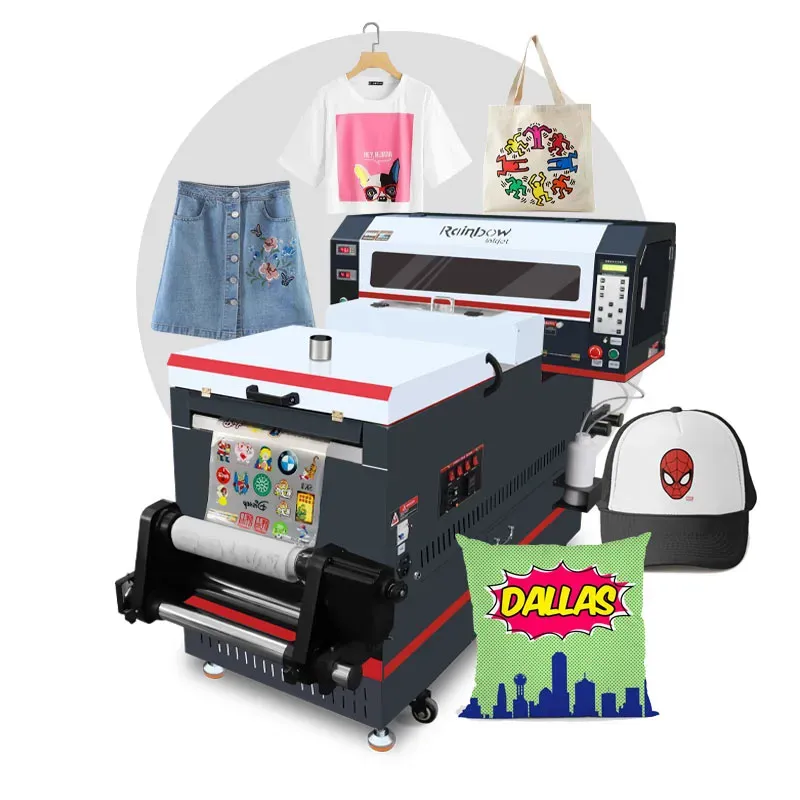
DTF printing equipment has rapidly gained popularity among custom apparel businesses, thanks to its ability to deliver vibrant colors and high-quality designs. This cutting-edge technology relies on DTF printers and heat press machines to effectively transfer beautiful graphics onto a variety of fabrics. By using adhesive powder in conjunction with the unique DTF printing process, manufacturers can achieve durable and eye-catching prints that stand the test of time. As the demand for sustainable DTF printing practices rises, incorporating eco-friendly materials and techniques becomes essential for responsible production. In this exploration of DTF printing, we will delve into the necessary equipment and best practices to create stunning and long-lasting designs.
Direct-to-Film printing tools are transforming the fabric printing landscape, providing a versatile solution for creating detailed designs on textiles. This innovative technology employs specialized printing machines tailored for producing high-resolution images, which are then applied to clothes using heat and pressure methods. The use of transfer films combined with bonding powders ensures that the finished products are not only striking but also resilient against wear. As the custom apparel industry increasingly focuses on eco-friendly options, the shift towards sustainable Direct-to-Film printing highlights an important trend in modern manufacturing. Throughout this article, we'll cover the essential gear and contemporary strategies for successful fabric decoration using this advanced technique.
Understanding DTF Printers: The Heart of DTF Printing
DTF printers are specialized devices designed to work specifically with DTF inks, producing prints that are characterized by their vibrancy and detail. Unlike traditional inkjet printers, DTF printers utilize a unique technique that involves printing on a transfer film, which is crucial for achieving high-resolution output. Brands such as Epson have tailored their printer lines to meet the unique needs of DTF printing, making them a popular choice for businesses looking to offer custom apparel. When selecting the right DTF printer, it is essential to consider factors such as print speed, compatibility with various fabrics, and overall print quality.
In addition to print quality, DTF printers also require a dedicated workflow to maximize their potential. Understanding how to utilize the printer settings effectively can significantly improve the final product. Users need to experiment with different ink types and adjust their print resolutions based on the specific fabric being used. The advanced technology behind DTF printers allows for experimentation, enabling businesses to innovate in their designs and cater to unique customer demands.
The Role of Heat Press Machines in DTF Printing
Heat press machines are integral to the DTF printing process, as they provide the necessary heat and pressure to transfer ink from the film onto the fabric. A well-calibrated heat press not only ensures the durability of the prints but also affects the overall aesthetics of the final product. Different fabrics require specific temperature and pressure settings, making it vital for operators to be familiar with their equipment. Investing in a high-quality heat press machine can yield significant long-term benefits, including reduced error rates and higher customer satisfaction due to the vibrant and long-lasting prints.
Furthermore, understanding the different types of heat press machines is key to optimizing the DTF printing process. Some machines offer features such as digital control panels, which allow for precise adjustments, while others focus on portability or specialty applications. For businesses aiming to produce a variety of custom garments, selecting the right heat press can set them apart from competitors and play a critical role in enhancing production efficiency.
Adhesive Powder: Key to Print Durability
In DTF printing, adhesive powder serves as the binding agent that secures the ink onto the transfer film, ensuring that the designs hold up against washing and wear. The application of adhesive powder occurs before the curing process, and it is essential to use the right quality and quantity to achieve optimal results. A balanced application enhances the strength of prints, making them more resistant to fading, cracking, and peeling over time. Without proper adhesive, even the most vibrant prints can deteriorate, affecting customer satisfaction and repeat business.
Moreover, advancements in adhesive powder technology have introduced eco-friendly options that cater to the growing demand for sustainability in the fashion industry. Many manufacturers are now developing adhesive powders that reduce environmental impact while maintaining print quality. Businesses that adopt these sustainable alternatives not only meet customer preferences but also position themselves as responsible manufacturers in an increasingly eco-conscious market.
Curing Techniques: Ensuring Longevity of DTF Prints
Curing is a critical step in the DTF printing process, which involves applying heat through a curing oven or heat gun to finalize the bond between the ink and the fabric. This step ensures that the prints are long-lasting and resistant to washing and exposure. Proper curing techniques can significantly enhance the quality of the prints; therefore, understanding the right temperature and duration for different materials is essential. Failures in the curing process can result in vibrant prints that quickly degrade over time, impacting the business's reputation.
Additionally, investing in a quality curing oven can streamline production processes, allowing for more consistent results across multiple garments. For businesses, this translates into fewer reprints and higher efficiency, ultimately contributing to profit margins. Keeping up with curing technologies, such as infrared curing, can also open new avenues for faster production cycles without sacrificing print quality.
Sustainability in DTF Printing: A Growing Trend
As consumer preferences shift towards sustainable fashion, the DTF printing industry has started to embrace eco-friendly practices. Many companies are adopting sustainable DTF printing techniques that utilize eco-conscious inks and materials. This movement not only meets the changing demands of customers but also promotes responsible manufacturing practices within the industry. By prioritizing sustainability, businesses can differentiate themselves in a competitive market while contributing positively to environmental conservation efforts.
Additionally, the transition to sustainable DTF printing processes can lead to more efficient production methods. For instance, using water-based inks instead of solvent-based ones not only reduces environmental impact but also improves the overall quality of prints. Sustainability is no longer just a trend; it’s becoming a fundamental aspect of business strategy in DTF printing, encouraging brands to innovate while still maintaining their ecological footprint.
Keeping Up with Industry Innovations in DTF Printing Equipment
The DTF printing landscape is ever-evolving, with new technologies and equipment constantly emerging. Staying updated with industry innovations can give businesses a competitive edge, allowing them to adapt to the latest trends and consumer demands efficiently. Participating in industry networking events, workshops, and following relevant publications can provide valuable insights into advancements such as faster DTF printers, improved heat press machines, and more effective adhesive powders.
Moreover, being at the forefront of technology advances in DTF printing equipment encourages businesses to experiment and push the boundaries of design possibilities. Utilizing the latest features of new DTF printers or innovations in sustainable materials can lead to unique offerings that draw customers’ attention. Overall, actively engaging with industry trends not only enhances operational efficiency but also drives innovation in product offerings, benefiting both businesses and consumers alike.
Frequently Asked Questions
What are the key benefits of using DTF printers in the printing process?
DTF printers offer vibrant color reproduction and high resolution, making them ideal for creating eye-catching designs on various fabrics. Their efficiency and cost-effectiveness, combined with the ability to print on different materials, make DTF printers a preferred choice among businesses in the custom apparel market.
How does a heat press machine enhance the DTF printing process?
A heat press machine is essential in the DTF printing process, as it applies the necessary heat and pressure to bond printed designs to fabric effectively. The right heat press machine ensures consistent results and durability of the prints, making it a critical piece of DTF printing equipment.
What role does adhesive powder play in DTF printing?
Adhesive powder is a crucial component in the DTF printing process, as it secures the printed ink to the film and ensures that the designs can withstand washing and wear. When applied to wet ink and cured, the adhesive powder enhances the longevity and durability of the final product.
Can DTF printing equipment be considered sustainable?
Yes, many manufacturers in the DTF printing industry are adopting sustainable practices, such as using eco-friendly inks and materials. This shift meets the growing consumer demand for sustainable fashion while promoting responsible manufacturing within the DTF printing process.
What maintenance is required for DTF printers and heat press machines?
Regular maintenance, including cleaning and calibration, is essential for DTF printers and heat press machines. Following the manufacturer's guidelines helps minimize errors and ensures the equipment operates effectively, leading to consistent results in the printing process.
How has technology impacted recent developments in DTF printing equipment?
Recent advancements in DTF printing equipment have led to faster print speeds and higher resolutions, enhancing the quality and efficiency of the printing process. These technological developments have contributed to the growing popularity of DTF printing in the custom apparel market.
| Key Equipment | Description |
|---|---|
| DTF Printers | Specialized printers designed to use DTF ink for producing high-resolution prints. |
| Heat Press Machines | Machines that apply heat and pressure to bond designs with fabric. |
| Adhesive Powder | Powder that secures ink to film and ensures durability after washing. |
| Heat Gun/Curing Oven | Used to cure prints, enhancing longevity and preventing fading. |
Summary
DTF Printing Equipment is at the forefront of innovative fabric printing technologies, providing businesses with an efficient and versatile approach to create vibrant, high-quality prints. This equipment, including specialized DTF printers, heat press machines, adhesive powders, and curing ovens, is essential for achieving exceptional results in custom apparel. Not only does the right DTF printing equipment enable businesses to produce eye-catching designs tailored to customers’ needs, but it also supports sustainable practices as the industry shifts towards eco-friendly materials and inks. Investing in quality tools and staying informed about market trends ensure that companies can maintain a competitive edge and deliver products that resonate with modern consumer values.