
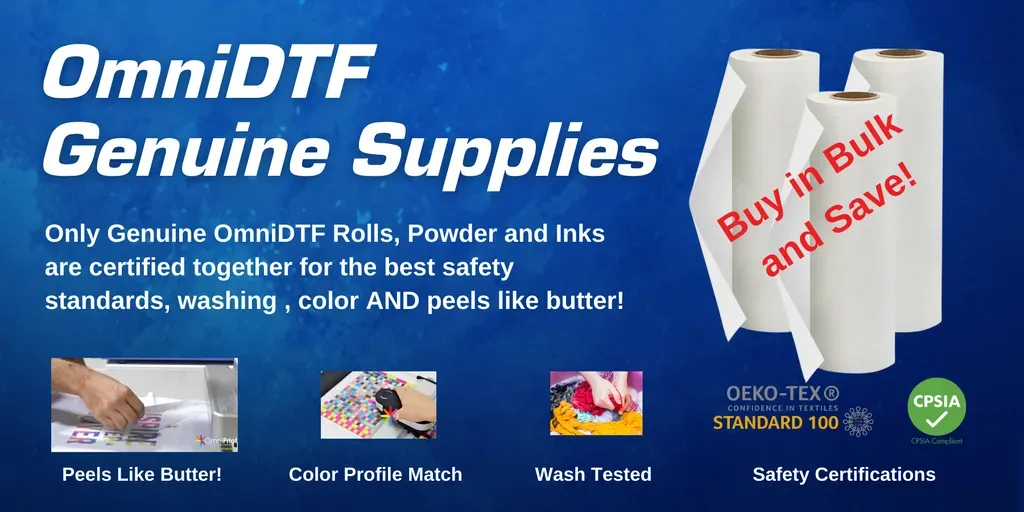
When it comes to achieving stunning results in Direct-to-Film (DTF) printing, selecting the **Best DTF Supplies** is paramount. The market offers a plethora of options, from high-quality DTF transfer film to specialized DTF inks, each playing a crucial role in the overall printing process. Investing in the right adhesive powder for DTF can greatly enhance the durability and vibrancy of your final prints. Additionally, ensuring that all components are compatible with your DTF printer is vital for a seamless printing experience. In this guide, we will explore how to choose the best supplies to elevate your DTF printing projects to new heights.
In the realm of fabric printing, sourcing top-notch materials such as DTF transfer film, specialized inks, and bonding agents is essential for creating vibrant and long-lasting designs. The importance of choosing the right supplies cannot be understated, as they directly influence the quality of the outputs produced by your direct-to-film process. Furthermore, compatibility among your printer, ink, and adhesive powder ensures smooth operation and optimum performance. DTF printing technology has revolutionized the way we approach fabric printing, allowing for intricate and colorful designs to be transferred seamlessly. This article will aid you in navigating the selection of the most suitable supplies to achieve high-quality results.
The Importance of High-Quality DTF Transfer Film
When embarking on the journey of DTF printing, the quality of your DTF transfer film is paramount. This film acts as the foundation for all your prints, meaning the right choice directly influences the vibrancy and durability of your finished product. Higher quality films typically offer improved thickness and clarity, which are essential for delivering stunning, detailed images. Opting for films with superior adhesion properties can also enhance the bond between your print and the fabric, resulting in better overall performance.
Additionally, it’s essential to understand the various types of DTF transfer films available on the market. Some films are specifically engineered for different fabric types, making them more suitable for diverse applications. For instance, if you prioritize flexibility and durability, consider films that maintain integrity even after numerous washes. By investing in high-quality DTF transfer film, you not only ensure beautiful prints but also enhance the longevity of the designs you create.
Best DTF Supplies for Vibrant Colors: DTF Inks
Choosing the right DTF inks is crucial in achieving vibrant and long-lasting prints. Pigment-based inks are often recommended because of their exceptional color fidelity and exceptional durability compared to dye-based alternatives. These inks resist fading and maintain their vibrancy, even after repeated washing. When selecting your inks, consider their compatibility with the DTF transfer film and adhesive powder, as mismatched products can lead to poor adhesion or color saturation.
Moreover, investing in high-quality DTF inks can significantly impact your final prints. It's advisable to avoid cheap alternatives that may save you money upfront but compromise on quality and results. A reputable supplier can guide you to the best DTF inks that work harmoniously with your selected transfer materials, ensuring that your prints are not only visually stunning but also durable in the long run.
Choosing the Right Adhesive Powder for DTF Printing
The role of adhesive powder in DTF printing cannot be understated. It is crucial for ensuring that the ink adheres properly to the fabric, and the right choice can make a significant difference in the outcome of your transfers. When selecting adhesive powder, factors such as its compatibility with your chosen ink and transfer film are vital. The adhesive must offer consistent results across various applications, providing strong bonding without compromising the quality of the design.
Additionally, finer powders tend to yield smoother finishes, which can be beneficial for intricate designs, whereas coarser powders might enhance adhesion but can affect the overall texture. It’s always wise to perform testing with different types of adhesive powders to determine which one yields the best results for your specific projects. A thorough understanding of available options can elevate the quality of your transfers and their durability.
Ensuring DTF Printer Compatibility for Optimal Results
Not every DTF printer is created equal, and understanding your printer's specifications is essential to achieving the best results. Different printers have varying capabilities, especially when it comes to handling specific types of DTF inks and films. When selecting your supplies, always refer to the printer's manufacturer recommendations to ensure compatibility. This step will save you from unnecessary issues that may arise from mismatched materials.
Furthermore, compatibility ensures that you maintain consistent print quality throughout your projects. It is advisable to invest in high-quality DTF printers and to consider brands that are well-regarded in the DTF printing community. By aligning your materials with a compatible printer, you set the stage for successful, high-resolution prints that are vibrant and durable.
Curing Equipment: The Key to Successful DTF Transfers
The curing process you choose for your DTF prints is crucial for achieving high-quality results. Equipment like heat presses and conveyor dryers each has unique advantages. A heat press is ideal for small to medium-sized batches, providing precise control over temperature and time. Meanwhile, a conveyor dryer is better suited for high-volume operations, ensuring a consistent curing process across multiple prints.
Understanding the optimal temperature and duration for curing is equally essential. Following the manufacturer's recommendations will help you achieve the best results, enhancing adhesion and ensuring that your designs last through multiple washes. An effective curing process not only impacts the durability of your prints but also plays a significant role in the overall quality of your DTF projects.
Conducting Test Prints Before Large Jobs
Conducting test prints is an invaluable step in the DTF printing process. Before committing to large print jobs, it’s crucial to evaluate the effectiveness of your chosen materials, including film, ink, and adhesive powder. Testing allows you to assess color fidelity and adhesion strength, giving you confidence that your final prints will meet your quality standards. Additionally, test prints can reveal potential issues with your supplies, enabling you to address them before they escalate.
Moreover, conducting durability tests by washing and wearing samples helps gauge how well your transfers will hold up over time. This insight is vital for any production scale, ensuring your customers receive high-quality products that retain their look and feel long after purchase. Overall, test printing is a preventive measure that can save you from costly mistakes during large production runs.
Frequently Asked Questions
What are the best DTF supplies for achieving high-quality transfers?
The best DTF supplies include high-quality DTF transfer films, pigment-based DTF inks, and compatible adhesive powders. Ensure your selected supplies work well with your DTF printer for optimal results.
How do I choose the right DTF transfer film for my printing needs?
Choose a DTF transfer film that has ideal thickness, good adhesion properties, and high clarity. These factors ensure durability and vibrancy in your final prints.
What should I look for in DTF inks to ensure high-quality prints?
Select pigment-based DTF inks known for their vibrant colors and excellent durability. Always confirm their compatibility with your DTF film and adhesive powder.
Is adhesive powder necessary for DTF printing, and how do I choose the right one?
Yes, adhesive powder is crucial for bonding ink to fabric. Choose one that complements your DTF film and inks, ideally with a fine texture for smoother finishes.
How can I ensure my DTF printer is compatible with other supplies?
Check your DTF printer's specifications and consult manufacturer guidelines. This helps ensure that the inks and films you use will perform well together.
What role does curing equipment play in the quality of my DTF transfers?
Curing equipment, such as heat presses or conveyor dryers, is vital for achieving high-quality DTF transfers. Proper temperature and time settings enhance adhesion and print durability.
| Key Factor | Description |
|---|---|
| Quality of Film | Look for thickness, adhesion properties, and clarity in the film to ensure vibrancy and durability. |
| Selecting DTF Inks | Choose pigment-based inks for vibrant colors and wash durability, ensuring compatibility with other supplies. |
| Choosing the Right Adhesive Powder | Ensure compatibility with film and ink; select either fine or coarse powders based on design needs. |
| Printer Compatibility | Check printer specifications and follow manufacturer recommendations to ensure all supplies work together. |
| Curing Equipment | Choose between heat press and conveyor dryer based on production scale and follow curing instructions. |
| Perform Testing | Conduct test prints to verify colors, adhesion, and durability before larger jobs. |
| Supplier Reputation | Research suppliers through reviews and testimonials for quality assurance and support. |
Summary
The best DTF supplies are essential for achieving high-quality transfers in your printing projects. By carefully considering factors such as film quality, inks, adhesive powders, and printer compatibility, you will enhance the durability and vibrancy of your prints. Testing your materials before embarking on large jobs, along with choosing reputable suppliers, can streamline your DTF printing process and ensure exceptional results. Embrace these guidelines to elevate your printing endeavors to a professional level.