
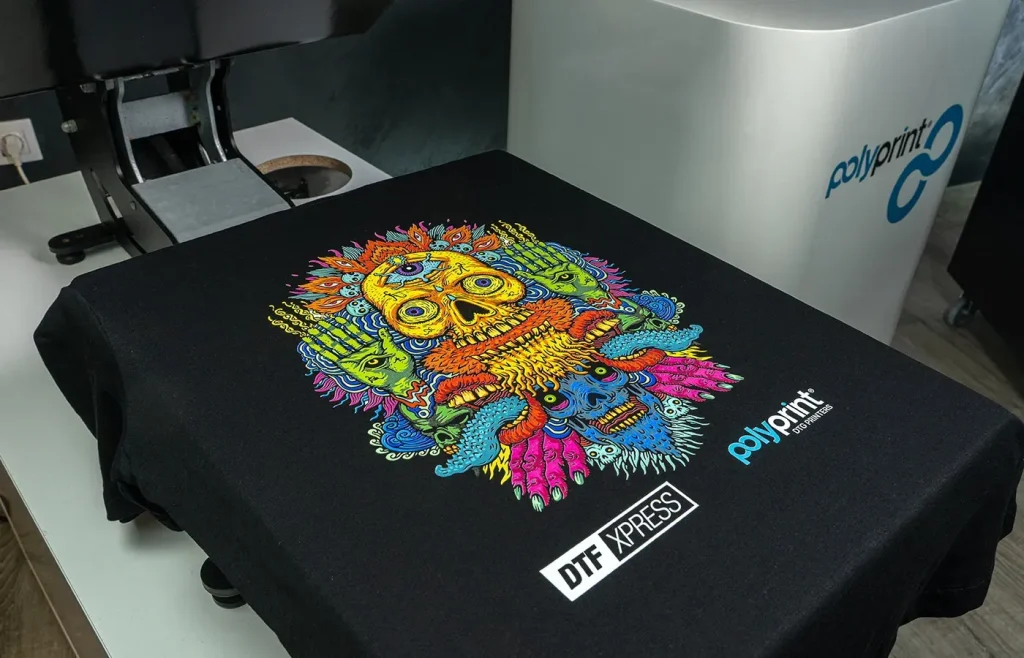
In recent years, DTF printing, or Direct to Film printing, has emerged as a groundbreaking innovation within the realm of custom apparel printing. This cutting-edge printing technology offers businesses a revolutionary way to create high-quality designs on a wide variety of fabrics, making it a favored choice for those in the garment industry. With its impressive ability to produce rich colors and intricate details, DTF technology stands out as a versatile option that meets the increasing demand for personalization and customization in fashion. As more companies seek sustainable printing methods, DTF printing’s eco-friendly options also resonate with environmentally conscious consumers, positioning it as a leader in modern printing solutions. Join us as we delve deeper into the many advantages and emerging trends in DTF printing that are setting new standards in the printing landscape.
Direct to Film printing represents a significant leap in modern printing methods, known for its efficacy in transferring designs onto textiles with remarkable precision. This innovative technique encapsulates the evolution of custom garment printing, emphasizing versatility and quality. As the printing industry continues to diversify, the advantages offered by this technology appeal not only to clothing manufacturers but also to artists seeking to showcase their work. By exploring alternative terms such as film transfer printing and its sustainable practices, we uncover the transformative potential of this method. DTF printing exemplifies the future of textile embellishment, ensuring both durability and aesthetic appeal while in tune with contemporary consumer preferences.
Unveiling the Potential of DTF Printing Technology
Direct to Film (DTF) printing technology is rapidly gaining traction in the creative and custom apparel industries due to its innovative printing process. Unlike traditional methods, DTF printing utilizes a special film that allows for unique designs to be transferred directly onto various fabric types. This cutting-edge approach not only enhances the range of designs possible but also significantly reduces production timelines, enabling businesses to respond quickly to market demands. Essentially, DTF technology merges efficiency with versatility, making it a preferred choice for custom apparel printing.
The advantages of DTF printing are numerous, particularly in its ability to produce high-quality prints with unmatched vibrancy. As businesses seek to differentiate themselves in a competitive market, the demand for advanced printing solutions that deliver exceptional results is on the rise. DTF technology stands out with its capability to print on a diverse range of fabrics including cotton and polyester, while ensuring color fastness and durability. This means that products not only look great upon delivery but also maintain their quality through multiple washes and wear.
Frequently Asked Questions
What is DTF printing and how does it work?
DTF printing, or Direct to Film printing, is a printing technology that involves transferring designs from a special film onto various fabrics using heat. This method allows for high-quality prints with vibrant colors, making it ideal for custom apparel printing.
What are the advantages of using DTF technology for custom apparel?
DTF technology offers numerous advantages for custom apparel printing, including versatility in fabric compatibility, high-quality and durable prints, and cost-effectiveness with lower setup costs compared to traditional methods like screen printing.
How does DTF printing compare to traditional printing methods?
DTF printing stands out from traditional printing methods due to its ease of setup, quick turnaround times, and superior print quality. It allows for vibrant colors and intricate designs without the extensive preparation required by screen printing.
Is DTF printing a sustainable printing option?
Yes, DTF printing can be considered a sustainable printing option, especially with recent advancements in eco-friendly inks. This technology reduces waste and utilizes less energy compared to traditional printing methods, appealing to environmentally-conscious consumers.
What types of fabrics can DTF printing be used on?
DTF printing is highly versatile and can be used on a wide range of fabrics, including cotton, polyester, and blends. This flexibility makes it suitable for various custom apparel products beyond just t-shirts.
What challenges might businesses face when adopting DTF printing technology?
While DTF printing offers many benefits, challenges include sourcing specific inks and films, as well as the need to adapt workflows and processes. Educating staff and understanding the nuances of DTF technology is essential for successful implementation.
| Key Feature | Description |
|---|---|
| Versatility | Able to print on various fabrics like cotton and polyester. |
| High-Quality Prints | Produces vibrant colors with intricate details and strong wash resistance. |
| Customization and Scalability | Allows for on-demand production of custom designs, ideal for small to medium businesses. |
| Cost-Effective | Lower setup costs compared to traditional printing methods, attracting small enterprises. |
| Durability | Strong adhesion and flexibility ensure prints withstand multiple washes without fading. |
| Eco-Friendly Options | Advancements in eco-friendly inks make DTF more appealing for sustainable businesses. |
Summary
DTF printing is revolutionizing the way businesses approach custom apparel and prints with its unique combination of versatility, quality, and efficiency. This innovative technology enables high-quality, vibrant prints on a variety of fabrics, making it a strong competitor to traditional printing methods like screen printing. As market demands for personalization and sustainable practices grow, DTF printing is not only meeting those needs but also paving the way for future advancements in the printing industry. Businesses must embrace DTF to stay competitive and provide their customers with exceptional products that are both durable and eco-friendly.