
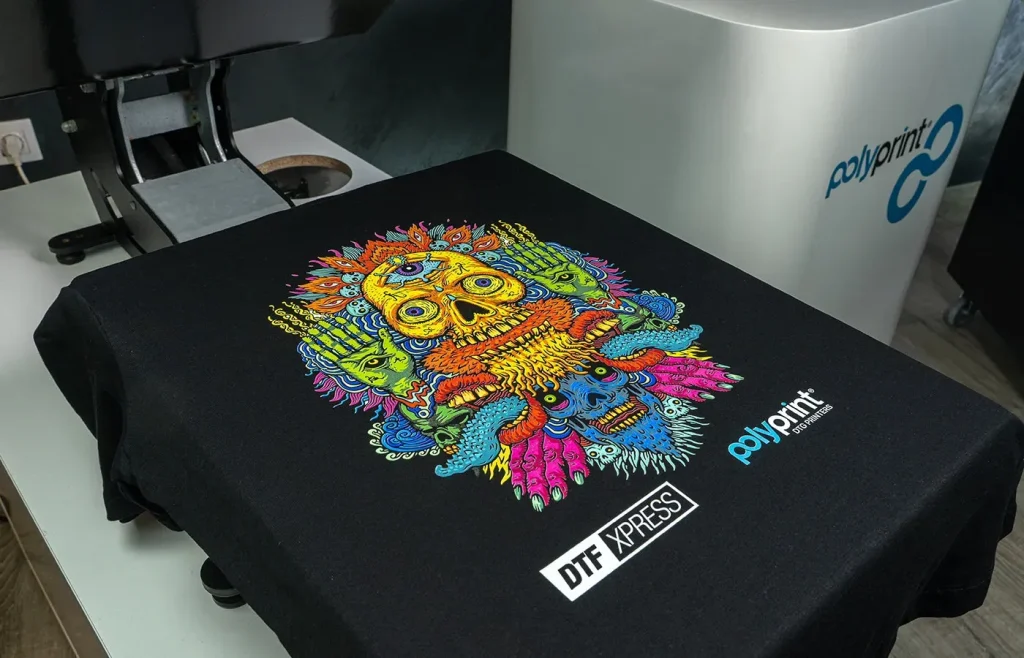
DTF printing, or Direct-to-Film printing, has revolutionized the custom merchandising industry by offering businesses an efficient method to create high-quality prints. With its ability to produce vivid designs on a variety of fabrics, DTF printing appeals to both established brands and emerging artists looking to make their mark. This innovative printing technique supports sustainable printing practices, making it an eco-friendly choice for those conscious about their environmental footprint. As the demand for personalized products rises, integrating DTF printing into e-commerce platforms allows sellers to cater to their customers’ unique tastes while promoting small batch printing solutions. In this post, we will delve into the multiple advantages of DTF printing and how it can enhance your product offerings.
Also referred to as Direct-to-Film transfer, DTF printing offers a strikingly modern approach to producing custom apparel and merchandise. This advanced technique excels in delivering exceptional print quality with vibrant colors, making it the preferred option for businesses in personalization. Compared to traditional screen printing, DTF provides versatility across various materials, ensuring a broader range of products can be manufactured sustainably. As e-commerce continues to evolve, integrating DTF printing into online sales platforms allows creators to meet consumer demands for unique and tailor-made solutions. Ultimately, this innovative printing method sets the stage for small businesses to thrive in a competitive landscape.
Understanding the DTF Printing Process
DTF printing, or Direct-to-Film printing, is a revolutionary process that enables a precise transfer of ink onto a special film before it’s applied to the desired fabric. This intricate procedure ensures that vibrant colors and intricate designs are captured in high detail. Print quality is significantly enhanced, making it suitable for various types of merchandise, from fashion apparel to promotional products. The essence of the DTF process lies in its adaptability and precision, allowing for a seamless integration into various production scenarios, especially when businesses aim to offer unique, high-quality prints.
The DTF printing process begins with the design being printed onto a transfer film using specialized inks. Once printed, a heat transfer process connects the film and fabric, ensuring that the ink adheres perfectly. This method does not compromise on quality, making it a solid choice for those looking to produce custom merchandise that stands out. Moreover, because the ink used is often high-performance, it retains its vibrancy and durability even after multiple washes, providing long-lasting products that meet consumer expectations.
The Environmental Impact of DTF Printing
In today’s marketplace, sustainability is an increasingly important factor for consumers. DTF printing presents an eco-friendly alternative to traditional printing methods. Its process reduces waste significantly by requiring less water and fewer chemicals, aligning perfectly with the growing trend toward sustainable printing practices. Businesses that adopt sustainable printing methods like DTF can appeal more directly to environmentally-conscious consumers, who are more inclined to support brands that prioritize sustainability in their operations.
Moreover, DTF printing’s efficiency means that fewer resources are expended per item produced, which is a crucial consideration as the need for sustainable practices becomes paramount. By going green, companies not only enhance their brand image but also set themselves apart in a competitive market. Offering products produced through sustainable methods injects an additional selling point that resonates strongly with today’s savvy buyers, all while contributing positively to the planet.
The adaptability of DTF printing, which allows businesses to create custom pieces with minimal environmental impact, showcases how companies can meet consumer desires for both personalization and sustainability. As the demand for responsibly produced merchandise grows, integrating DTF printing into product lines becomes a strategic advantage.
The Benefits of Material Versatility in DTF Printing
One of the standout features of DTF printing is its ability to work with a diverse array of materials, far surpassing the capabilities of traditional printing methods. This versatility allows businesses to experiment with different fabrics—from cotton and polyester to blends and even some synthetics. When companies can print on a broad spectrum of substrates, they are not only able to cater to various customer preferences but also expand their product offerings significantly. This means no requirement for multiple machines or printing processes, streamlining production while enhancing creativity.
The material versatility offered by DTF printing simplifies the customization process and provides businesses with the opportunity to differentiate their merchandise. For example, a custom T-shirt for a fashion line can be printed on high-quality cotton while promotional tote bags can have vibrant designs printed on durable polyester. Such adaptability allows businesses to maintain quality and meet the demands of their customer base without introducing complexities into their workflow.
Cost-effectiveness for Small Batch Printing
DTF printing technology shines particularly in the area of small batch printing. Many startups and smaller businesses often face the challenge of high upfront costs associated with traditional printing methods, especially when it comes to producing limited runs of custom merchandise. DTF printing addresses this issue by enabling businesses to create small batches economically, thus reducing the financial burden often associated with inventory.
Moreover, the efficiency of DTF printing means that businesses can quickly prototype designs and gather customer feedback without over-committing to mass production. This approach allows for a more adaptive business model that responds to consumer trends and demands much more rapidly. With the flexibility of low minimum order quantities, businesses can test various products, designs, and markets with less risk, paving the way for innovation and creativity.
E-commerce Integration with DTF Printing
The rise of e-commerce has transformed the way businesses operate, and DTF printing has synchronized seamlessly with this evolution. As online shopping grows, integrating DTF printing into e-commerce platforms allows brands to offer customized merchandise directly to consumers. This direct-to-consumer model streamlines order processing, enabling quick fulfillment while increasing customer satisfaction, which is crucial in the fast-paced digital marketplace.
Additionally, the integration of DTF printing with online platforms facilitates personalized items to be produced on-demand, eliminating the need for large inventories. Consumers are increasingly seeking unique and tailored merchandise, and DTF printing empowers brands to meet this demand with efficiency. By leveraging e-commerce capabilities alongside DTF technology, businesses position themselves competitively while enhancing their customer experience.
Future Trends and Technological Advancements in DTF Printing
As the DTF printing landscape continues to evolve, technological advancements are driving significant improvements in production speed and quality. New models of DTF printers are being introduced that allow for greater efficiency without compromising the high standards of color accuracy and detail. These advancements mean businesses can achieve faster turnaround times and scale their operations to meet rising demands without loss of quality, thus staying competitive in a rapidly changing market.
Future trends of DTF printing also suggest a greater integration of automation and smart technology, further optimizing the printing process. Innovations may lead to enhancements in eco-friendliness and operational efficiency, reducing waste even further while maximizing productivity. As businesses continue evolving their production strategies, staying abreast of these developments in DTF printing will be vital to capitalize on opportunities that arise in the custom merchandising sphere.
Frequently Asked Questions
What is DTF Printing and how does it work for custom merchandising?
DTF Printing, or Direct-to-Film Printing, is a modern method that transfers specially formulated inks onto a film, which is then applied to various substrates. This technique is ideal for custom merchandising, allowing businesses to create high-quality prints with vibrant colors and intricate designs.
Why choose DTF Printing for high-quality prints over traditional methods?
DTF Printing is preferred for high-quality prints due to its ability to capture vibrant colors and fine details better than traditional methods like screen printing. It provides excellent adherence to different fabric types, ensuring durable and visually appealing custom products for merchandising.
Is DTF Printing a sustainable printing option?
Yes, DTF Printing is considered a sustainable printing option as it generates less waste and uses fewer chemicals compared to traditional printing processes. This eco-friendly approach appeals to consumers who prioritize sustainability in their purchasing decisions.
How does DTF Printing support e-commerce integration for businesses?
DTF Printing can be easily integrated with e-commerce platforms, allowing businesses to fulfill custom merchandise orders directly from online sales. This seamless integration helps increase sales opportunities and improve product personalization for customers.
Can small batch printing be done using DTF Printing?
Absolutely! DTF Printing is cost-effective for small batch printing, making it an ideal choice for startups and small businesses that want to produce limited quantities of custom items without incurring high overhead costs.
What are the advantages of using DTF Printing for creating custom merchandise?
The advantages of DTF Printing for custom merchandise include producing high-quality prints, versatility across various materials, cost-effectiveness for smaller runs, sustainability, and ease of use, making it accessible for creators and small business owners.
| Key Advantages of DTF Printing | Description | Benefit | |
|---|---|---|---|
| High-Quality Prints | Produces vibrant colors and intricate designs, ensuring durability and detail. | ||
| Material Versatility | Can print on a wide variety of materials including cotton, polyester, and blends. | ||
| Cost-Effective Short Runs | Ideal for startups and small businesses needing smaller batch sizes without high costs. | ||
| Sustainability | Generates less waste and uses fewer chemicals, appealing to eco-conscious consumers. | ||
| Ease of Use | Requires less specialized training, making it accessible for small businesses and creators. | ||
| Current Market Trends | |||
| Growing Market Demand | Increasing preference for personalized products drives demand for DTF printing. | ||
| Technological Advancements | New DTF printer models improve speed and output while maintaining quality. | ||
| Integration with E-commerce | Seamless integration with online platforms enhances sales and customization options. | ||
Summary
DTF Printing has revolutionized the custom merchandising landscape by offering a credible solution for businesses aspiring to stand out in a competitive market. This printing method combines high-quality prints with exceptional material versatility, making it suitable for a wide range of products. Furthermore, DTF Printing’s cost-effectiveness allows businesses to produce small batches, which is perfect for testing new designs without excessive financial risks. Emphasizing sustainability, DTF printing meets the growing demand for eco-friendly practices, while its user-friendly technology empowers small businesses and individuals to create custom merchandise effortlessly. As the demand for personalized consumer products continues to rise, DTF Printing presents an advantageous opportunity that can transform business operations and marketing strategies.