
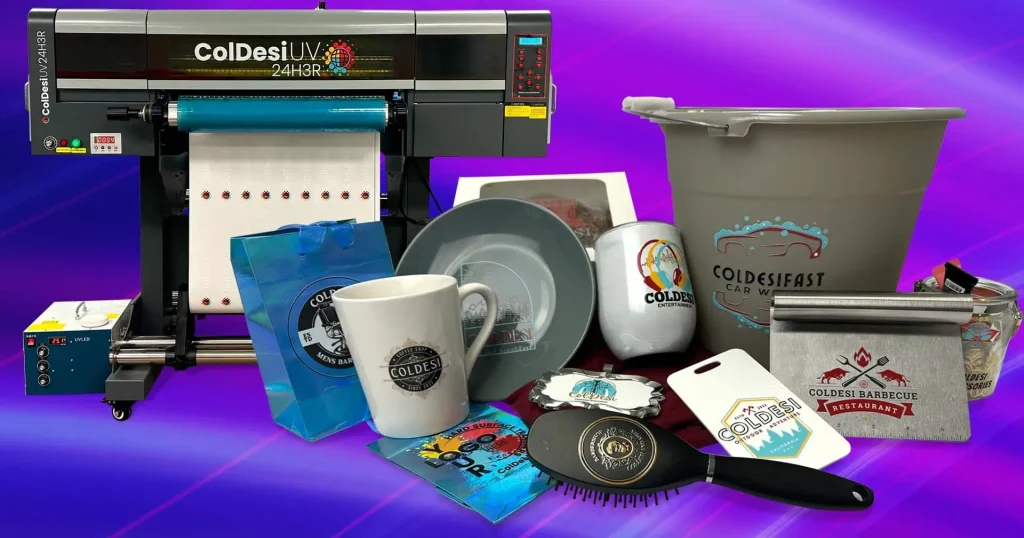
UV DTF printing has revolutionized the printing industry by seamlessly merging ultraviolet curing technology with the direct-to-film method. This innovative process allows for the production of vibrant and detailed prints on a multitude of surfaces, making it an ideal choice for customizing apparel, promotional materials, and personalized products. To maximize your UV DTF output, understanding best practices is vital, as it not only enhances print quality but also boosts operational efficiency. Using gangprinting techniques can minimize waste and improve productivity, while selecting high-quality UV printing materials ensures durability and vibrant finishes. In this guide, we’ll explore essential strategies and sustainability measures that can elevate your printing game.
Known in the industry as ultraviolet direct-to-film printing, this cutting-edge technique offers remarkable versatility in producing high-quality prints across various substrates. With the ability to cure inks through ultraviolet light, this approach not only enhances image fidelity but also promotes faster production times. Embracing innovative printing methods such as DTF enables businesses to cater to a diverse clientele while optimizing their resource management through sustainability in printing practices. By focusing on effective post-processing for prints and selecting appropriate materials, printers can achieve a competitive edge in the market. In this article, we will delve into the best practices that underpin successful UV DTF printing, ensuring you stay ahead in this dynamic field.
Understanding UV DTF Printing Technology
UV Direct to Film (DTF) printing is a groundbreaking advancement in the printing industry, effectively merging UV curing technology with direct-to-film methods. This technique allows for vibrant, high-resolution images to be printed on various materials, catering to a broad spectrum of industries, from fashion to promotional products. By utilizing ultraviolet light, the ink is rapidly cured, significantly enhancing the durability of the prints and making them more resistant to wear and fading compared to traditional printing methods.
The growing popularity of UV DTF printing can be attributed to its versatility and efficiency. As businesses seek to offer high-quality printed products, understanding the intricacies of how UV DTF printing operates becomes crucial. From selecting suitable UV printing materials to mastering printing techniques, a comprehensive grasp of the technology ensures businesses stay competitive in an ever-evolving marketplace.
Best Practices for Maximizing UV DTF Outputs
When engaging in UV DTF printing, adopting best practices is paramount for achieving optimal results. Key among these practices is meticulous material selection. The quality of the transfer film used can significantly affect adhesion and the overall lifespan of prints. High-quality UV DTF transfer films are designed specifically to complement the unique properties of UV inks, thus producing sharp and vibrant results that are crucial for brand representation.
Another essential aspect pertains to the ink and printer calibration. Regular maintenance routines help ensure that the printer operates smoothly, thus minimizing inconsistencies in color and quality. Utilizing inks formulated for UV resistance further enhances print durability, catering to products exposed to various environmental conditions. Implementing these best practices guarantees that the printed output meets the high expectations of customers.
Exploring Gang Printing Techniques
Gang printing techniques have revolutionized the efficiency of UV DTF printing by allowing multiple designs to be executed in a single print run. This method not only minimizes material waste but also significantly boosts productivity. Proper spacing between designs is critical to prevent misalignment during the curing process, ensuring that each print retains its intended quality. By implementing gang printing, businesses can maximize their output while reducing overhead costs.
Moreover, this approach promotes a smoother workflow as it combines several orders into one batch, streamlining production timelines. When businesses adopt gang printing, they can better manage their resources and maintain a tighter production schedule. This balance of efficiency and quality is essential in today’s competitive printing landscape.
Post-Processing Techniques for Enhanced Prints
Post-processing is a vital stage in the UV DTF printing process that cannot be overlooked. After printing, conducting immediate quality control checks ensures that any defects are caught early, thus saving time and costs in subsequent reprints. Implementing rigorous quality control measures can avert larger issues down the line, maintaining high production standards.
Further, post-curing techniques can amplify the vibrancy and durability of prints, especially for materials subjected to demanding conditions. By allowing for proper post-processing, businesses not only enhance their product quality but also fortify their brand’s reputation for delivering reliable and high-end printed goods.
Sustainability in UV DTF Printing Practices
In today’s eco-conscious market, integrating sustainability into UV DTF printing practices is increasingly vital. Opting for eco-friendly materials, such as biodegradable inks and substrates, aligns with consumer demand for environmentally responsible products. This not only enhances a company’s appeal but also contributes to reduced environmental impact, reflecting a commitment to sustainable practices.
Additionally, employing gang printing techniques aids in reducing waste, as prints can be optimized for material efficiency. Companies can further strengthen their sustainability efforts by recycling unused materials and adopting other eco-friendly practices. By prioritizing sustainability, businesses not only do their part for the environment but also attract a growing base of environmentally aware consumers.
Latest Innovations in UV DTF Printing
The UV DTF printing landscape is rapidly evolving, with recent innovations significantly enhancing print quality and operational efficiency. Advances in ink technology now provide better adhesion and durability for prints exposed to diverse conditions. This means that businesses can offer a wider range of products, catering to customer preferences for high-quality prints without compromising on performance.
Additionally, automation in UV DTF printing processes is becoming more commonplace, allowing for streamlined production and minimized errors. Investing in the latest automated systems can dramatically improve operational efficiency, enabling businesses to keep pace with increasing demand while maintaining high standards. Staying ahead of these innovations positions companies favorably within the competitive printing industry.
Frequently Asked Questions
What are the best practices for UV DTF printing to ensure high-quality outputs?
To ensure high-quality outputs in UV DTF printing, focus on material selection, printer calibration, effective printing techniques like gang printing, diligent post-processing, and sustainability practices. High-quality films and inks, regular maintenance, and eco-friendly materials all contribute to maximizing your printing efficiency.
How do gang printing techniques improve efficiency in UV DTF printing?
Gang printing techniques in UV DTF printing allow multiple designs to be printed at once, significantly reducing material waste and increasing productivity. By optimizing the layout, printers can maximize throughput and streamline the production process, making it more cost-effective.
What types of UV printing materials are best for UV DTF printing?
For UV DTF printing, high-quality transfer films designed for UV adhesion are essential. Additionally, inks that are UV-resistant and compatible with diverse substrates such as textiles, plastics, and metals will provide brighter colors and enhanced durability, maximizing print quality.
What role does post-processing play in enhancing UV DTF prints?
Post-processing is crucial in UV DTF printing as it involves quality checks and additional curing to improve the durability and vibrancy of prints. Techniques like defect inspection and post-curing ensure that products meet high standards and are ready for longevity under various conditions.
How can sustainability be integrated into the UV DTF printing process?
Sustainability in UV DTF printing can be achieved through the use of eco-friendly inks and substrates, along with efficient gang printing to reduce waste. Implementing recycling practices for unused materials not only helps the environment but also enhances brand reputation among eco-conscious customers.
What recent developments are shaping UV DTF printing technology?
Recent developments in UV DTF printing include innovations in ink technology for better adhesion and durability, increased automation in printing systems, and enhanced integration of analytics within supply chains. These advancements contribute to more efficient operations and improved print quality.
| Key Practice | Description |
|---|---|
| Material Selection | Choose high-quality UV DTF transfer films and understand surface compatibility for optimal results. |
| Ink and Printer Calibration | Regular maintenance of printers and use of high-quality, UV-resistant inks ensure consistent color and durability. |
| Printing Techniques | Employ gang printing to maximize productivity, ensuring correct curing distances and durations. |
| Post-Processing | Conduct quality control checks and consider post-curing for enhanced durability on various substrates. |
| Sustainability Practices | Use eco-friendly materials and efficient techniques to reduce waste and improve your environmental footprint. |
Summary
UV DTF printing is an innovative approach in the print industry that harnesses the power of UV curing technology along with direct-to-film capabilities to produce exceptionally vibrant and durable prints. Adopting best practices such as selecting high-quality materials, performing regular equipment maintenance, and utilizing effective printing techniques can significantly enhance the output quality of UV DTF prints. Additionally, focusing on sustainability by incorporating eco-friendly practices not only helps in creating impactful prints but also supports environmental responsibility. By staying informed about advancements in the UV DTF printing landscape, businesses can position themselves competitively while achieving superior results.