
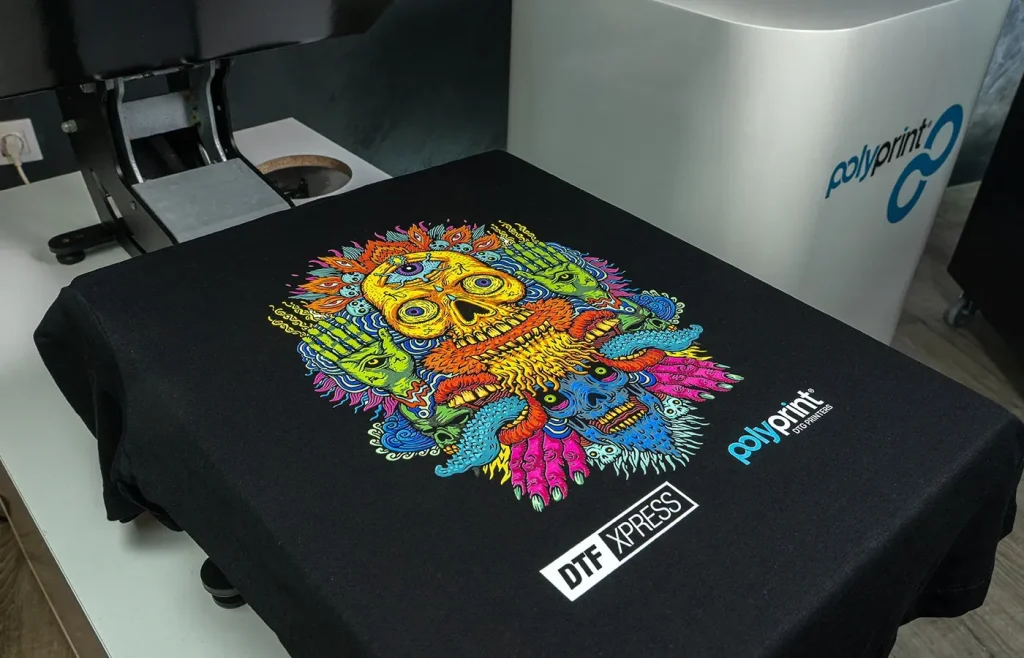
DTF printing, or Direct to Film printing, is revolutionizing the landscape of digital printing technology, offering a more efficient way to create custom apparel and vibrant designs on textiles. By utilizing a unique transfer method, DTF printing ensures that your graphics maintain their intensity and durability across various fabric types, including both light and dark options. This innovative approach not only caters to the demands of the fashion industry but also resonates with environmentally-conscious consumers, promoting eco-friendly printing practices. As businesses strive for customization and differentiation, DTF printing emerges as a cost-effective solution that expands creative possibilities without sacrificing quality. In this article, we will explore how DTF printing stands at the forefront of modern printing techniques, driving trends in custom branding and personalized merchandise.
Exploring the world of Direct to Film printing reveals a myriad of benefits associated with this cutting-edge technique. Also known as DTG transfer or film-based printing, this method has gained traction for its capability to produce high-resolution images on various materials swiftly and effectively. As digital printing technology continues to evolve, alternative methods like DTF provide an appealing solution for custom apparel printing, offering businesses the flexibility they require. With a focus on sustainable practices, DTF also appeals to a growing market that prioritizes eco-friendly printing options. This guide aims to unveil the intricacies of DTF, highlighting how it shapes the future of printing on textiles and custom products.
Understanding the Mechanics of DTF Printing
Direct to Film (DTF) printing operates on a unique principle that combines digital printing technology with heat transfer methods, creating a seamless way to apply vibrant images on various substrates. The process starts with a specialized printer that uses high-quality inks designed for flexibility and longevity. These inks are printed onto a special film, which then serves as the transfer medium. This means that complex designs, from colorful graphics to intricate logos, can be accurately reproduced on textiles like cotton and polyester, showcasing the true potential of DTF technology.
What sets DTF printing apart from traditional methods is its ability to produce high-resolution prints with minimal setup. As a digital printing solution, it eliminates the need for screens or bulky machinery often required in screen printing, making it a more efficient option for businesses. The prints are made using eco-friendly inks, highlighting DTF printing’s commitment to sustainability, as many of these inks are water-based and devoid of harmful solvents. This not only aligns with current environmental trends but also attracts eco-conscious consumers, driving demand for DTF products.
The Versatility of DTF Printing on Textiles
One of the main attractions of DTF printing is its versatility across a range of textiles. Whether you are designing for casual wear, sports apparel, or high-end fashion, DTF technology adapts well to various fabric types, including cotton, polyester, and blends. This capability allows businesses to offer a wider product range without compromising quality. DTF also works exceptionally well on both dark and light materials, eliminating the need for pre-treating fabrics, which is often a requirement in other printing techniques.
Moreover, this flexibility makes it ideal for custom apparel printing, where unique designs and short runs are highly sought after. Entrepreneurs can experiment with different fabric textures and colors, giving them the freedom to create stunning apparel that resonates with their target audience. As print-on-demand services grow in popularity, the ability to quickly and efficiently apply DTF printing to diverse textiles enables businesses to respond rapidly to fashion trends and consumer demands.
Durability and Quality in DTF Prints
Durability is a significant advantage that DTF printing boasts over other printing methods. The technology ensures that finished products can withstand multiple washes without losing vibrancy or detail, thus providing excellent value for both businesses and consumers. DTF prints are imbued into the fabric instead of sitting on top, allowing them to maintain integrity and resist peeling or cracking, which can be a common issue with other printing methods.
What’s more, the high-resolution capability of DTF printing ensures that print quality remains sharp and detailed, which is particularly important for intricate designs. As customers become more discerning about the quality of merchandise they purchase, the reliability of DTF technology in producing durable, high-quality prints positions it as a preferred choice in the competitive world of custom apparel.
Challenges in Implementing DTF Printing
Despite its numerous benefits, DTF printing is not without challenges. The initial setup costs can be a barrier for small businesses or startups looking to enter the custom printing space. Investing in high-quality DTF printers and materials can be significant, especially when considering the need for specialized films and inks to achieve optimal results. Companies must plan thoughtfully to ensure they maximize their investment while keeping production costs manageable.
Furthermore, mastering the intricacies of DTF printing requires technical skill and knowledge. Operators must be trained not only in the mechanisms of the printing machines but also in design software, which can be a time-consuming process. This learning curve can delay entry into the market and necessitate ongoing training and maintenance efforts to ensure production efficiency.
The Eco-Friendly Edge of DTF Printing
As environmental awareness grows among consumers, DTF printing positions itself as an environmentally friendly option in the digital printing landscape. Many DTF inks are water-based, significantly reducing the environmental impact compared to solvent-based alternatives. This commitment to eco-friendly printing practices resonates with a growing segment of consumers who prioritize sustainability in their purchasing decisions.
Companies employing DTF printing can capitalize on this trend by highlighting their use of sustainable materials and inks in their marketing efforts. Moreover, as businesses strive to meet eco-conscious demands, the integration of biodegradable films and recyclable materials into DTF printing practices may further enhance its appeal in the market, contributing to a cleaner and more sustainable future in custom apparel.
Emerging Trends and Future Innovations in DTF Printing
The landscape of DTF printing is rapidly evolving, with several trends shaping its future. One significant advancement is the development of faster printing speeds, allowing businesses to fulfill orders more efficiently and meet the rising demand for custom apparel. Innovations in printer technology and materials mean that the process will not only become quicker but also maintain high-quality output.
Additionally, the integration of advanced design software can enhance the workflow, making it easier for users to create intricate designs and reduce the time from concept to finished product. As the DTF printing market continues to expand, businesses that stay ahead of these technological advancements will position themselves as leaders in the competitive custom printing industry, poised to meet the incoming wave of consumer demands.
Frequently Asked Questions
What is DTF printing and how does it work?
DTF printing, or Direct to Film printing, is a modern printing technology that allows designs to be printed onto a special film, which is then transferred to textiles using heat. This method, recognized for its high-resolution output and versatility, supports various substrates including cotton and polyester, making it ideal for custom apparel printing.
What are the advantages of using DTF over traditional printing methods?
DTF printing offers several advantages over traditional methods, such as screen printing. It delivers high-quality, vibrant prints that are durable and can be applied to multiple fabric types without additional preparation. Additionally, DTF has lower setup costs, making it a cost-effective solution for small production runs, and utilizes eco-friendly water-based inks.
Can DTF printing be applied to different fabrics?
Yes, one of the standout features of DTF printing is its versatility. It can be used on various fabric types, including cotton, polyester, and blends, allowing for vibrant designs on both light and dark textiles without the need for extra steps.
Is DTF printing environmentally friendly?
DTF printing is considered more eco-friendly than some traditional printing methods. Many DTF inks are water-based, reducing the environmental impact compared to solvent-based inks. This aligns with growing consumer preferences for sustainable printing practices.
What challenges should businesses expect when starting with DTF printing?
Businesses venturing into DTF printing may face challenges such as initial setup costs for equipment and materials, a learning curve in mastering the technology and software, as well as the need for regular maintenance of printers to ensure high-quality prints.
What industries are benefiting from DTF printing technology?
Various industries are leveraging DTF printing technology, particularly in custom apparel, fashion, and promotional items. Businesses in sectors such as merchandising and personalized gifts are increasingly utilizing DTF for creating unique, high-quality prints that appeal to a wide customer base.
| Key Feature | Details |
|---|---|
| What is DTF Printing? | A printing method where designs are printed on film and transferred onto materials using heat. |
| Benefits | High resolution, versatility across substrates, durability, cost-effectiveness, and eco-friendly options. |
| Challenges | High initial setup costs, need for technical knowledge, maintenance requirements, and sourcing supplies. |
| Applications | Used in fashion apparel, promotional items, and home textiles. |
| Future Prospects | Improvements in speed, sustainability, and software innovations. |
Summary
DTF printing is revolutionizing the printing industry, offering a high-quality, versatile solution that meets various printing needs. This innovative process allows businesses to create vibrant designs on a range of textiles with remarkable durability. The key advantages of DTF printing, including its cost-effectiveness and eco-friendly options, make it an appealing choice for entrepreneurs and designers alike. As the industry continues to evolve, understanding the challenges and opportunities presented by DTF printing will be crucial for those looking to harness its full potential effectively. By embracing this cutting-edge technology, businesses can not only enhance their product offerings but also stay relevant in a rapidly changing market.