
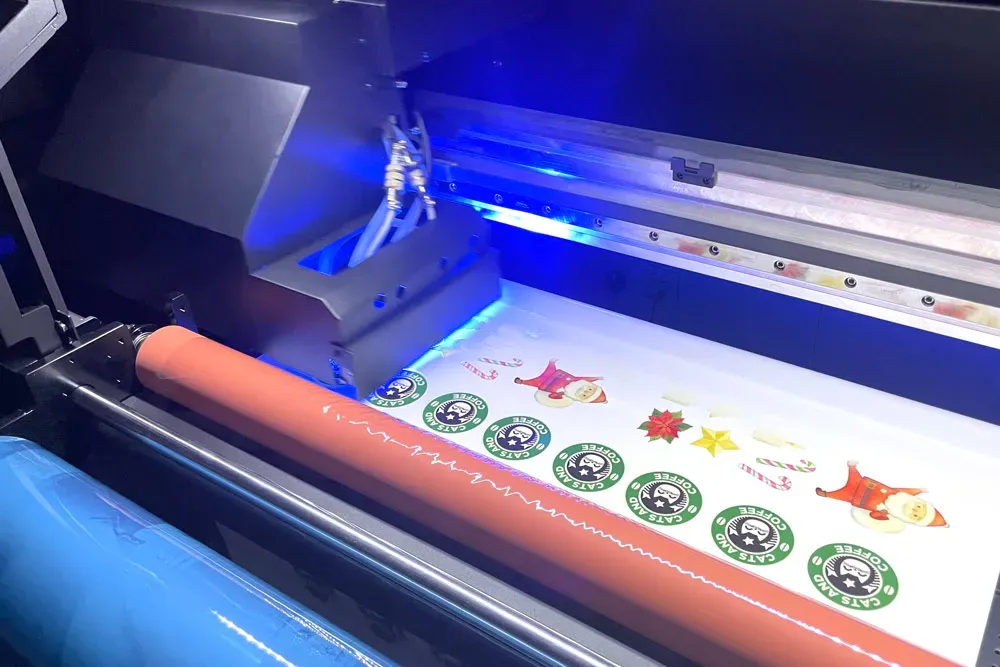
In the dynamic realm of printing technology, UV DTF printing stands out as a revolutionary technique that harnesses ultraviolet light to cure ink on specialized films. As more businesses explore diverse fabric printing methods, understanding the advantages of UV DTF becomes paramount. Unlike traditional screen printing or Direct to Garment (DTG) printing, UV DTF offers remarkable versatility, enabling high-quality prints on a wide range of substrates including textiles, plastics, and metals. The exceptional durability of UV DTF prints ensures they remain vibrant and resistant to fading and wear, making them an attractive choice for modern brands. With a growing market for customized designs, the UV printing benefits are clear; it allows for intricate details and faster production times, perfectly aligning with the demands of contemporary printing needs.
Often referred to as ultraviolet Direct to Film printing, this innovative method utilizes UV light curing technology to transfer ink directly onto films that can be applied to various surfaces. This technique merges the precision of digital printing with the durability characteristic of traditional methods, appealing to businesses looking for cost-effective and high-quality solutions. By employing similar principles found in other printing styles, such as screen printing and DTG, UV DTF printing broadens the scope of fabric printing methods available, accommodating intricate designs and rapid production needs. As brands increasingly seek versatile printing options, the introduction of UV DTF ensures they can adapt to evolving consumer preferences without compromising on quality.
Understanding UV DTF Printing Technology
UV Direct to Film (DTF) printing represents a significant evolution in printing technology, harnessing the power of ultraviolet light to cure inks on a specialized film. This technology allows for printing on a diverse array of materials, from textiles to plastics and even metals. The curing process, powered by UV light, ensures that prints are not only vivid and high-quality but also highly resistant to wear and environmental factors such as moisture and fading. This durability makes UV DTF an attractive option for businesses aiming to deliver long-lasting products.
Moreover, what sets UV DTF apart from traditional printing methods, such as screen printing and Direct to Garment (DTG) printing, is its adaptability. While screen printing is limited by the materials it can effectively print on—mostly fabrics with a specific texture—UV DTF can seamlessly transition from one substrate to another. This flexibility is critical in today’s market, where businesses are increasingly looking for versatile printing solutions that can cater to varying customer needs.
In essence, UV DTF is not just another method—it’s a groundbreaking approach that combines technological innovation with practical application, making it an advantageous choice for modern printing demands.
The Benefits of UV DTF Printing
One of the standout features of UV DTF printing is its impressive durability. Unlike traditional screen printing or DTG options, which can wear down over time, UV DTF prints maintain their integrity, resisting scratches, fading, and water exposure. This level of resilience is particularly important for products that may be subject to harsh conditions or frequent handling. Businesses can confidently offer UV DTF printed items knowing they will still look vibrant and professional even after extended use.
Furthermore, the technology allows for intricate designs and vibrant colors, making it a favorite among graphic designers and brands focused on aesthetics. UV DTF supports high-resolution prints that can capture fine details, gradients, and diverse color palettes. As a result, companies can provide high-quality prints that are not only visually appealing but also tell unique brand stories through their designs.
These benefits make UV DTF printing not just a functional choice but also a strategic investment for businesses seeking to elevate their product offerings.
UV DTF vs. Screen Printing: A Comparative Analysis
When contrasting UV DTF printing with screen printing, the differences become clear in several crucial areas. Screen printing has long been heralded for its color vibrancy and efficiency in high-volume runs; however, its setup is often cumbersome and costly, particularly for smaller orders. The requirement for multiple screens and stencils can make it a daunting option for businesses without large budgets or those needing flexibility in their product designs.
In contrast, UV DTF printing thrives in situations requiring adaptability. The quick setup process allows for diverse designs without significant cost implications, which is ideal for small to medium-sized businesses. As brands increasingly demand custom solutions with shorter lead times, UV DTF emerges as a viable competitor to traditional screen printing, offering the benefits of both speed and quality.
UV DTF vs. Direct to Garment (DTG) Printing
Direct to Garment (DTG) printing has made a name for itself thanks to its high-resolution output and ability to print stunning designs directly onto fabric. However, it is primarily limited to natural fibers like cotton. In contrast, UV DTF printing shines in its versatility, with the ability to handle a variety of substrates, including synthetic fabrics and even rigid materials. This capability allows businesses to broaden their product range without being tied to a specific fabric type.
Additionally, while DTG may produce beautiful designs, it often struggles with speed when handling bulk orders since each garment typically requires its own setup. UV DTF circumvents this issue, allowing for multiple prints on various materials in a single production run. This not only expedites the process but also minimizes labor costs, making UV DTF a cost-effective option for companies looking to offer personalized or small-batch products.
The Environmental Aspect of UV DTF Printing
With the growing awareness of environmental sustainability, UV printing technologies are gaining traction for their eco-friendly attributes. UV DTF ink formulations often incorporate lower levels of volatile organic compounds (VOCs) compared to traditional inks used in screen printing or DTG. This translates to less harmful emissions during the printing process and reduced environmental impact, marking UV DTF as a progressive choice for eco-conscious businesses.
Moreover, the longevity of UV DTF prints means that products have a longer lifecycle, reducing waste. Businesses that adopt such sustainable printing solutions are not only appealing to environmentally aware consumers but are also positioning themselves favorably in an increasingly competitive market where eco-friendly practices are becoming the norm.
Conclusion: Choosing the Right Printing Technology for Your Needs
As businesses navigate the complex landscape of printing technologies, understanding the unique advantages and limitations of each method, including UV DTF, is essential. While screen printing and DTG remain robust options, UV DTF offers compelling solutions for those looking for versatility, durability, and customization capabilities. The decision ultimately hinges on the specific requirements of the project—whether it’s producing large quantities of a single design or diverse batches of intricate items.
In conclusion, by incorporating the right printing method into their production workflows, businesses can meet the evolving demands of their customers while maintaining a competitive edge in the marketplace. With a careful evaluation of factors like cost, material compatibility, and production volume, the right printing technology can enhance brand offerings and build lasting relationships with clients.
Frequently Asked Questions
What are the benefits of UV DTF printing compared to screen printing?
UV DTF printing offers several benefits over traditional screen printing, including superior flexibility in producing intricate designs, quicker setup time for varied designs, and the ability to print on a wider range of materials. Unlike screen printing that excels in large-volume runs with limited designs, UV DTF provides cost-effectiveness for smaller batches, with high durability and vibrant color reproduction.
How does UV DTF printing work and what sets it apart from Direct to Garment (DTG) printing?
UV DTF printing operates by using ultraviolet light to cure inks onto a specialized film that can be transferred to multiple substrates, including fabrics and rigid materials. This sets it apart from DTG printing, which primarily focuses on textile application. UV DTF is advantageous for its material versatility, enabling prints on canvas and polymers, while DTG is limited mostly to cotton fabrics.
Is UV DTF printing environmentally friendly compared to screen printing?
Yes, UV DTF printing can be considered more environmentally friendly compared to traditional screen printing. Many UV inks are formulated to emit fewer volatile organic compounds (VOCs), which makes them a healthier choice for both consumers and manufacturers. This adherence to better environmental practices is increasingly important in the printing technology landscape.
What materials can be printed on using UV DTF printing technology?
UV DTF printing technology is highly versatile and can print on a wide array of substrates beyond just textiles. This includes plastics, metals, glass, and canvas, which expands your potential market offerings and allows for creative applications across various industries, unlike more specialized methods like screen and DTG printing that are predominantly fabric-focused.
What are the potential downsides of UV DTF printing compared to DTG printing?
While UV DTF printing has numerous advantages, it can also present challenges. The cost of high-quality UV inks may be greater than those used in DTG printing, and UV DTF prints may not achieve as vibrant colors as traditional screen prints. Additionally, UV DTF products should be stored away from direct sunlight to avoid fading, which can be a consideration when comparing durability.
Why should businesses consider UV DTF printing for their fabric printing needs?
Businesses should consider UV DTF printing due to its high durability, material versatility, and capability to produce intricate designs, making it a strong alternative to traditional printing technologies. It allows for quick turnaround times on small runs of varied designs, which is particularly beneficial for companies looking to provide customized solutions without the high setup costs associated with screen printing.
| Key Point | UV DTF Printing | Screen Printing | DTG Printing |
|---|---|---|---|
| Definition | Uses UV light to cure ink onto film for various substrates. | Traditional method using stencils to apply ink. | Prints directly onto textiles, primarily cotton. |
| Material Compatibility | Wide range including fabrics, plastics, and metals. | Best for limited materials, primarily textiles. | Ideal for natural fibers like cotton. |
| Cost-Effectiveness | Lower startup costs for small runs. | Higher initial costs, more economical for large runs. | Higher labor cost due to individual setups. |
| Print Quality and Detail | High durability; able to reproduce intricate designs. | Excels in vibrant solid colors; great for simple designs. | Produces high-resolution designs on fabrics. |
| Durability | Exceptional resistance to abrasion and fading. | Good durability for fabric prints. | Less durable, especially on synthetic fabrics. |
Summary
UV DTF printing is a transformative technology that enhances the printing landscape with its unique capabilities. Boasting high durability, versatility across various materials, and the ability to produce intricate designs, UV DTF printing stands as a strong alternative to traditional methods like screen printing and DTG. As businesses strive to adapt to ever-changing consumer needs, the advantages of UV DTF make it particularly appealing for smaller batch projects or those requiring a quick turnaround. Understanding the strengths and weaknesses of each printing method will empower businesses to make decisions that best align with their production goals and customer demands.