
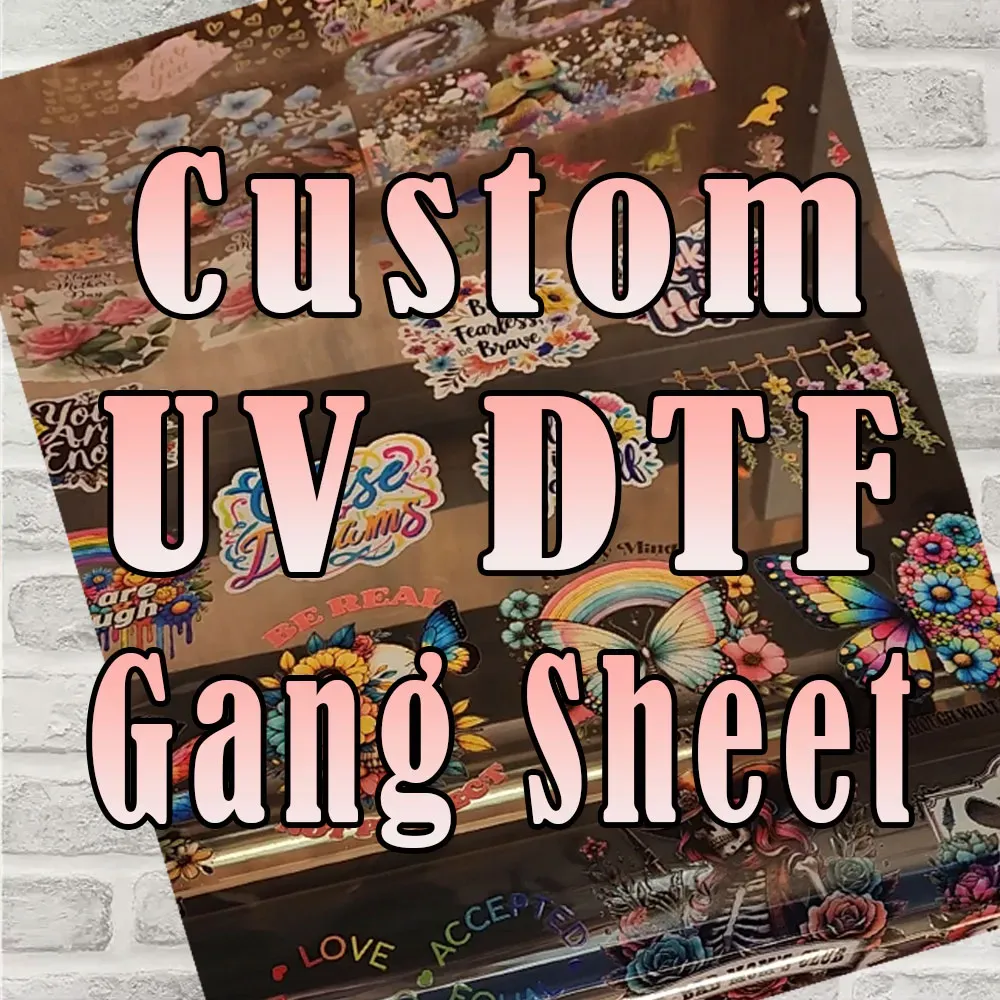
UV DTF Gangheet is quickly becoming a game-changer in the world of custom printing solutions, revolutionizing how businesses approach print technology. This innovative method merges UV printing and Direct to Film printing, providing remarkable versatility and quality for a wide range of applications. As industries lean towards more durable and vibrant printing options, UV DTF Gangheet stands out for its ability to produce striking designs that adhere strongly to various surfaces. From fashion textiles to promotional items, this print technology is reshaping creative possibilities. By exploring the advantages of UV DTF Gangheet, businesses can discover efficient and eco-friendly printing alternatives that meet modern demand.
The emergence of UV Direct-to-Film printing marks a significant advancement in contemporary printing techniques, offering exceptional customization opportunities for various industries. Known for its ability to deliver outstanding printed images directly onto specialized films before transferring them onto different substrates, this method successfully combines durability with creativity. Whether referred to as DTF printing or UV film technology, the benefits associated with this approach are transforming product offerings across sectors. As more businesses adopt this innovative printing solution, understanding its mechanics becomes crucial for achieving competitive advantages in the market. With a focus on custom printing solutions, companies can leverage state-of-the-art print technologies to enhance their brand visibility.
Exploring the Basics of UV DTF Gangheet
UV DTF Gangheet represents a revolutionary shift in the printing industry, merging traditional UV printing techniques with Direct-to-Film (DTF) technology. This advanced method allows for the transfer of intricate designs onto various substrates, providing businesses with remarkable adaptability in their printing applications. The uniqueness of UV DTF lies in its ability to cure inks using ultraviolet light, which not only enhances the color vibrancy but also provides a robust layer that withstands the test of time.
Understanding the fundamental processes of UV DTF Gangheet is crucial for businesses venturing into this versatile domain. The term “Gangheet” itself points to an efficiency-enhancing procedure where multiple images can be printed simultaneously on a single film. This capability not only accelerates production rates but also facilitates cost-effective solutions for bulk orders, making UV DTF Gangheet an ideal choice for companies aiming to optimize their workflow seamless.
Advantages of Utilizing UV DTF Printing Technology
UV DTF printing technology stands out due to its remarkable versatility, making it suitable for a variety of applications. From textiles to metals and plastics, this method allows businesses to engage in diverse custom printing solutions that meet the needs of different sectors. Whether creating vibrant apparel designs or sleek promotional products, UV DTF printing enables companies to cater to specific market demands while ensuring high-quality results.
Another significant advantage is the exceptional durability of prints generated by UV DTF technology. Unlike traditional printing techniques, the UV inks are engineered to provide a protective layer that resists fading, moisture, and other potential damages. This quality leads to longer-lasting products that not only satisfy customers but also reduce the need for frequent replacements, thus enhancing overall brand loyalty.
Sustainability and Eco-Friendliness in Printing
The growing emphasis on sustainability within the printing industry makes UV DTF printing an attractive option for eco-conscious businesses. As the world shifts toward greener practices, this printing technology typically uses inks with low volatile organic compound (VOC) content, significantly minimizing harmful emissions during the production process. By opting for UV DTF, companies not only contribute to environmental preservation but also align their brand image with current consumer values.
Incorporating UV DTF Gangheet into operations reflects a commitment to sustainable practices in the printing industry. It allows businesses to reduce their environmental footprint while still achieving excellent print quality. As consumers become increasingly aware of eco-friendly initiatives, using UV DTF printing can enhance customer perception and provide a competitive edge in a crowded market.
Current Applications of UV DTF Gangheet
The applications of UV DTF Gangheet technology are vast and continuously expanding. In the fashion industry, designers are leveraging this technique to produce complex and eye-catching designs directly onto garments. The ability to print on a variety of textiles not only allows for greater creative freedom but also positions brands to meet the rising demand for personalized apparel.
Moreover, UV DTF is rapidly transforming the promotional products sector. Businesses can harness this printing method to customize a wide range of items such as drinkware, bags, and stationery, offering unique products that enhance brand visibility. With the capacity for quick turnaround times, UV DTF printing solutions meet the needs of promotional campaigns effectively while delivering impressive results.
Investing in UV DTF Technology for Your Business
Investing in UV DTF printing technology can substantially benefit businesses looking to enhance their production capabilities. However, potential users must be prepared for the initial costs associated with high-quality printers and equipment. Conducting a thorough cost-benefit analysis can help justify this investment, exploring both immediate and long-term returns that UV DTF printing can provide.
In addition to equipment, businesses must also consider the essential training required for their staff. Understanding the intricacies of running UV DTF printers effectively is vital for ensuring high-quality results. Implementing ongoing training and education programs can enable staff to stay updated with technological advancements, ultimately leading to more efficient operations and superior output.
The Future of UV DTF Gangheet in the Printing Industry
As UV DTF Gangheet technology continues to evolve, it is poised to shape the future of the printing industry significantly. The growing demand for on-demand printing solutions highlights the need for customizable options that can meet rapid market changes. Innovators are constantly working on improving the efficiency and effectiveness of UV DTF machinery, which promises to deliver even higher print quality and reduced costs in the years to come.
Additionally, the potential for technological advances in UV DTF printing suggests a bright future for businesses leveraging this method. As more companies become aware of the benefits associated with UV DTF, we can expect a shift in traditional printing practices toward more innovative solutions. This embrace of UV DTF technology could redefine customer engagement, driving new business models and opportunities in the marketplace.
Frequently Asked Questions
What is the process behind UV DTF Gangheet printing?
UV DTF Gangheet printing combines ultraviolet printing technology with Direct-to-Film (DTF) processes. This method allows for intricate designs to be printed onto a specialized film, which can then be transferred onto various materials, enhancing output efficiency through the Gangheet method.
What are the advantages of using UV DTF printing for custom solutions?
UV DTF printing offers numerous advantages, including exceptional durability, versatility across different materials, and eco-friendly solutions with minimal VOC emissions. These features make it an ideal choice for businesses looking for high-quality custom printing solutions.
How does the Gangheet method improve production efficiency in UV DTF printing?
The Gangheet method in UV DTF printing enhances production efficiency by enabling multiple designs to be printed simultaneously on a single film. This optimization reduces overall printing time, making it suitable for large orders and fast turnaround.
What types of materials can be printed using UV DTF printing technology?
UV DTF printing is highly versatile and compatible with various materials, including textiles, metals, plastics, and wood. This adaptability allows for diverse applications in industries such as fashion, interior decor, and promotional products.
Is UV DTF Gangheet printing an environmentally friendly option?
Yes, UV DTF Gangheet printing is considered more eco-friendly than traditional printing methods. The UV inks used in this process typically contain fewer volatile organic compounds (VOCs), resulting in a reduced environmental impact during the printing process.
What should businesses consider when adopting UV DTF printing technology?
Businesses interested in adopting UV DTF printing should consider the initial investment in quality equipment, ongoing maintenance costs, and the need for trained personnel to manage the printing process. Ensuring adequate training can lead to better print quality and workflow efficiency.
| Key Points | Details |
|---|---|
| Definition | UV DTF printing merges UV printing technology with Direct-to-Film process, allowing designs to transfer to various surfaces. |
| Gangheet Mechanism | The Gangheet process optimizes production efficiency by allowing multiple designs to be printed on a single film simultaneously. |
| Versatility | Compatible with textiles, metals, plastics, and wood, fitting various industries. |
| Durability | UV DTF prints are resistant to fading and scratching, maintaining aesthetic appeal over time. |
| Eco-friendliness | UV DTF printing reduces VOC emissions, making it a sustainable choice. |
| Applications | Used in fashion, promotional products, and interior decoration. |
| Market Trends | On-demand printing and advancements in printing technology are driving demand. |
| Implementation Considerations | Investment in quality equipment and training for skilled operations is essential. |
Summary
UV DTF Gangheet technology represents a transformative leap in printing processes, combining versatility with exceptional durability and eco-friendliness. By utilizing cutting-edge UV inks and the innovative Gangheet method, businesses can efficiently produce high-quality prints across a variety of materials, from textiles to promotional items. This comprehensive guide has unpacked its potential applications and market trends, highlighting the significant advantages UV DTF printing holds for brands aiming to elevate their product offerings. By leveraging this technology, companies not only enhance their production capabilities but also contribute to a more sustainable printing future.