
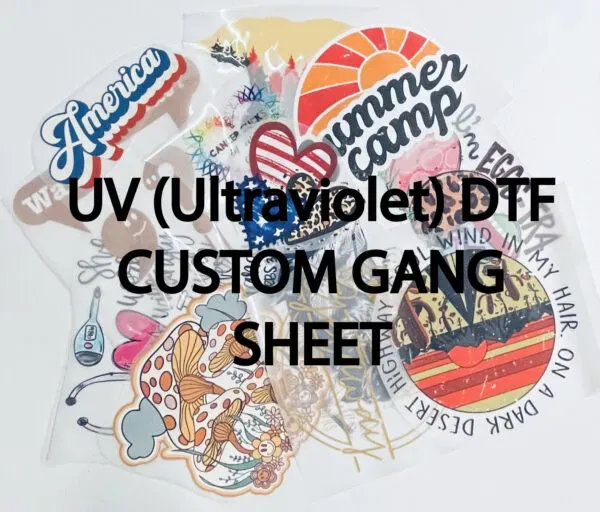
UV DTF Gangheet is revolutionizing the realm of textile printing, offering artists and designers an unprecedented way to create vibrant and dynamic fabrics. Leveraging cutting-edge UV DTF printing technology, this method not only ensures high-quality outputs but also enhances the potential for intricate design elements on textiles. With the introduction of advanced tools like the EufyMake E1 printer, creatives can now explore their artistic flair with greater ease and accessibility. The innovations in ink technology further enable rich colors and durability, elevating the visual appeal of printed materials. As the industry embraces these advances, UV DTF Gangheet stands at the forefront of transforming how we perceive textile design, making vibrant textiles more attainable than ever.
The world of UV DTF Gangheet brings forth an exciting evolution in fabric printing through Direct to Film technology. Known for its ability to produce vibrant designs that breathe life into textiles, this method utilizes state-of-the-art UV curing processes to deliver striking results. With alternatives like the EufyMake E1 printer showcasing versatility and ease of use, both hobbyists and professionals can push their creative boundaries. Furthermore, recent developments in ink formulations promise enhanced color vibrancy and durability, making this approach advantageous for a range of applications. Overall, adjustable printing techniques and a commitment to innovation solidify UV DTF as a crucial player in the textile industry’s future.
The Fundamentals of UV DTF Printing Techniques
UV DTF (Direct to Film) printing represents a significant leap in the textile printing industry, utilizing UV light for curing inks, which allows for sharper, more vibrant images on fabric. This technique enables designers to produce intricate designs that not only boast color fidelity but also longevity. Unlike traditional methods, UV DTF’s approach allows inks to cure almost instantly, reducing production time and increasing overall efficiency in the printing process.
The versatility of UV DTF printing is evident in its application across a broad spectrum of materials, ranging from natural fibers like cotton to synthetic composites. With the ability to print on various substrates, designers can explore unlimited creative possibilities, making this technology a highly sought-after option in the competitive textile market. As the technology further evolves, the potential for artistic expression in textile design continues to broaden.
The EufyMake E1 Printer: Revolutionizing Textile Printing
The introduction of the EufyMake E1 has marked a revolutionary moment for hobbyists and small business owners in the textile printing sector. Its modular design integrates three functions into one machine—printing, laminating, and rotary capabilities—making it not only compact but also incredibly versatile. This innovative printer empowers users to experiment with a variety of printing styles, thereby enhancing the overall creative output in their projects.
What sets the EufyMake E1 apart is its user-friendly nature. Even those who are entirely new to the world of textile printing can quickly get up to speed, thanks to its intuitive interface. This accessibility democratizes the printing process, allowing individuals to unleash their creative potential without the steep learning curve typically associated with high-end printing technology.
Exploring Advances in Ink Technology for UV DTF Printing
Recent innovations in ink chemistry have significantly advanced the capabilities of UV DTF printing. Companies like Sun Chemical are refining low-viscosity UV inks, offering printers enhanced performance specifically tailored for use with modern DTF machines. These inks enable vibrant color reproduction, essential for creating eye-catching designs that stand out in the market.
The introduction of specialized inks for textiles also fosters sustainability in the printing process. Unlike traditional inks that may require heating to set, newer formulations may cure without heat, thus expediting the printing process and reducing energy consumption. This aligns with a growing trend towards environmentally conscious printing solutions, vital in today’s eco-sensitive market.
Market Trends Shaping the Future of UV DTF Printing
As the demand for bespoke textile products rises, the UV DTF printing market is poised for enormous growth. The shift toward digital printing technology is not just about efficiency; it also reflects a cultural transformation where personalization and customization take precedence. As more independent creators leverage this technology, we can expect a vibrant community of designers producing unique textiles that resonate with consumers.
Furthermore, this market growth is likely to spur sustainable practices within the industry. As companies and individuals prioritize eco-friendly operations, UV DTF printing offers a compelling alternative to traditional techniques, facilitating a move towards greener solutions in textile production. This trend signifies a holistic shift in how textiles are manufactured and consumed.
Impacts of UV DTF on the Textile Industry Dynamics
The advent of UV DTF printing technology represents more than just an advancement; it indicates a fundamental transformation in the textile industry. With devices like the EufyMake E1 enabling easier access to high-quality textile design, artists and designers previously marginalized within traditional frameworks can now participate fully in the market.
Additionally, the innovation inherent in UV DTF printing supports a trend of increased quality control in textile production. With the ability to produce complex designs that adhere better to their substrates, the end products showcase not just aesthetic appeal but also durability. This redefines consumer expectations, fostering a more informed marketplace.
Forecasting the Future: Sustainability and Innovation in Textile Printing
As UV DTF printing technology progresses, its future seems predicated on two pillars: sustainability and innovation. The heightened awareness around environmental impacts in manufacturing processes demands that printing technologies evolve. UV DTF fulfills this with innovations in eco-friendly inks and efficient operations, aligning perfectly with contemporary consumer values.
Moreover, as more individuals and small businesses adopt this technology, it’s likely to spark a renaissance of creativity in textile design. This community-driven approach will not only support local economies but also foster a diverse range of uniquely crafted textile products, steering the industry towards an inclusive future of vibrant designs.
Frequently Asked Questions
What is UV DTF Gangheet and how does it work?
UV DTF Gangheet is an innovative textile printing technique known as UV Direct to Film printing. It transfers vibrant designs onto a film using UV light to cure the inks, resulting in colorful and durable prints suitable for various fabrics. This method enhances the quality of prints while allowing for intricate designs to be created easily.
How does the EufyMake E1 printer enhance UV DTF Gangheet printing?
The EufyMake E1 printer significantly enhances UV DTF Gangheet printing by offering a 3-in-1 modular design that combines a rotary machine, a UV DTF laminating machine, and a flatbed printer. This versatility allows users to seamlessly create stunning textiles from home, democratizing access to high-quality printing techniques.
What are the benefits of using UV DTF printing for vibrant textiles?
Using UV DTF printing for vibrant textiles offers numerous benefits including high durability, vivid color options through CMYK inks, and the ability to print on various materials. This method allows designers to produce intricate and colorful graphics that withstand wear, making it ideal for fashion and bespoke textile markets.
What recent advancements in ink technology support UV DTF Gangheet?
Recent advancements in ink technology, particularly from companies like Sun Chemical, have introduced low-viscosity UV inks that are perfect for DTF printing. These inks provide vibrant color options, including white ink, without the need for additional heating, thus streamlining the printing process and enhancing efficiency for UV DTF Gangheet projects.
How is UV DTF Gangheet contributing to sustainable textile printing practices?
UV DTF Gangheet contributes to sustainable textile printing by reducing environmental impact through innovative ink technology and efficient printing processes that require no heating. This aligns with current trends towards eco-friendly manufacturing practices, promoting the use of durable materials and minimizing waste in the textile industry.
What future trends can we expect from UV DTF printing in the textile industry?
The future of UV DTF printing in the textile industry is likely to include increased accessibility to advanced printing technologies like the EufyMake E1, a rise in unique custom textile offerings, and a continued push towards sustainability. As more creators adopt these techniques, we can expect significant growth in the market, fostering innovation and creative expression.
| Key Point | Details |
|---|---|
| Introduction to UV DTF Gangheet | UV DTF printing is a pioneering method enhancing textile printing quality and creativity. |
| Understanding UV DTF Printing | Involves using UV light to cure inks, producing vibrant prints suitable for various fabrics. |
| Innovative Printers | The EufyMake E1, a 3-in-1 modular design, democratizes textile printing by making it accessible for creators. |
| Advancements in Ink Technology | New low-viscosity UV inks allow for vivid colors and efficient printing without heating. |
| Market Growth | Expect growth in UV DTF printing driven by sustainability and accessibility for individual creators. |
| Implications for Textile Industry | UV DTF printing signifies a technological shift towards creative democratization and sustainability. |
Summary
UV DTF Gangheet exemplifies the future of vibrant textile printing through its innovative technology and creative possibilities. By leveraging advancements such as the EufyMake E1 printer and cutting-edge ink technology, creators are now empowered to produce intricate and colorful designs with ease. This transformative approach not only increases accessibility for artists and small business owners but also aligns with sustainable practices that reflect contemporary values in manufacturing. As the UV DTF printing landscape continues to evolve, it opens up exciting avenues for unique textile creations and a broader participation in the textile design industry.