
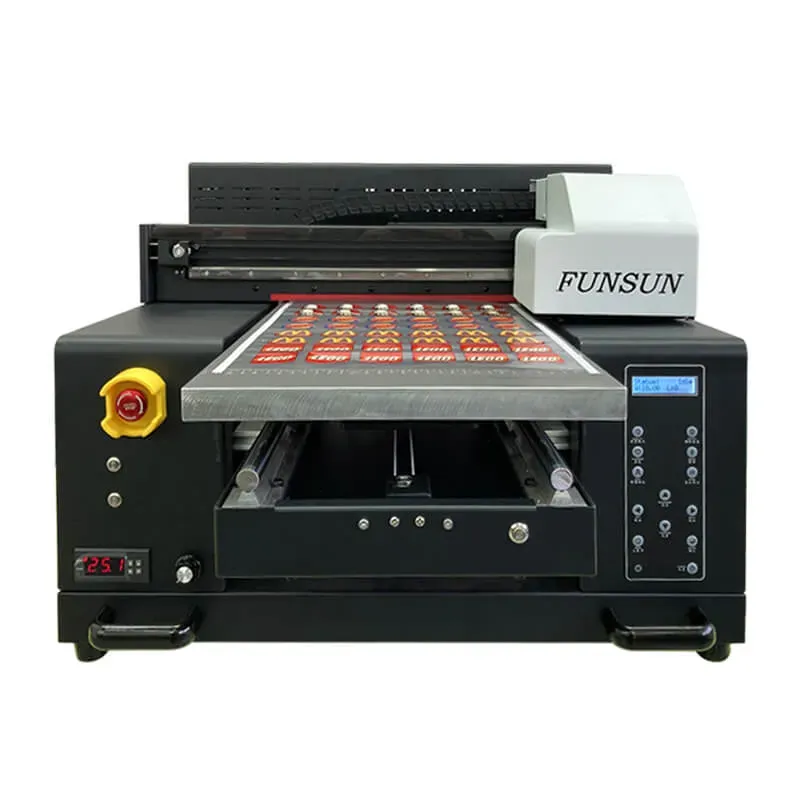
The UV DTF printer has revolutionized the way professionals approach printing, offering exceptional versatility and quality across various materials. As businesses seek the best UV DTF printers for their specific applications, understanding crucial UV DTF printer features becomes essential. Whether you’re targeting custom apparel, promotional items, or intricate designs on unique substrates, the right UV printing technology can enhance your creative capabilities significantly. In this guide, we’ll discuss how to choose a UV DTF printer that aligns with your needs, highlighting key factors such as print quality, speed, and media compatibility. By exploring these elements, you can make an informed decision that boosts your business’s productivity and creativity.
UV Direct-to-Film printing technology, often referred to as UV DTF printing, stands out for its ability to deliver vibrant, high-resolution outputs on a wide array of surfaces. This innovative printing method allows businesses to produce detailed designs for various applications and surfaces, making it a top choice among printing professionals. When exploring options in this category, it’s crucial to consider the features and capabilities of different models. From understanding how to select the ideal printer for your specific requirements to identifying the latest advancements in UV printing, businesses must stay informed to maximize efficiency. Ultimately, the right UV printing solution can drive growth and enhance the visual appeal of your products.
Understanding UV DTF Printing Technology
UV Direct-to-Film (DTF) printing technology represents a significant leap forward in the realm of digital printing. This method utilizes ultraviolet light to cure inks instantly, allowing for vibrant colors and high-resolution prints that adhere effectively to a wide variety of substrates. Unlike traditional printing methods, UV DTF printing does not require heat for curing, resulting in a more sustainable process that consumes less energy. By employing this advanced technology, businesses can enhance their production efficiency and deliver superior products to their clients.
The versatility of UV DTF printing is particularly appealing, as it caters to diverse applications ranging from textile printing to promotional items. With the ability to print on unconventional materials like wood, plastics, and ceramics, UV DTF printers are paving the way for innovation in the printing landscape. This capability, combined with exceptional print quality and speed, makes UV DTF printing a preferred choice among professionals looking to differentiate their offerings in a competitive market.
Essential Features to Look for in a UV DTF Printer
When selecting a UV DTF printer, understanding the essential features that cater to your specific printing needs is crucial. Key attributes to consider include resolution, color capability, and media handling options. High DPI (dots per inch) resolution ensures that your prints are sharp and detailed, which is vital for intricate designs. Additionally, a printer with a broader color gamut provides more vibrancy and accuracy, essential for businesses focused on branding consistency.
Media compatibility is another critical aspect to consider. A good UV DTF printer should support various substrates to maximize versatility for your printing projects. Models that can seamlessly handle different types of media—such as textiles, ceramics, and plastics—allow for expanded service offerings. This feature not only enhances productivity but also positions your business as a go-to provider for a diverse range of customer requests.
Best UV DTF Printers of 2023
In 2023, several UV DTF printers have garnered attention for their exceptional performance and value for money. Brands like Mimaki, Epson, and Roland have released models that combine innovative technology with user-friendly features. The Mimaki UJV100-160, for instance, stands out for its speed and print quality, making it an excellent option for high-volume printing environments. Similarly, the Epson SureColor series is celebrated for its precision and ease of use, catering to both beginners and experienced professionals.
Another noteworthy addition is the Roland VersaUV series, which offers remarkable versatility along with an advanced UV printing engine. This printer not only supports a wide range of media but also integrates software features that enhance workflow efficiency. When choosing among the best UV DTF printers, it’s essential to consider what aligns with your business needs, including factors like budget, production volume, and specific application requirements.
Maximizing Print Quality with UV DTF Printers
One of the paramount advantages of UV DTF printing technology is its ability to deliver high-quality prints consistently. Ensuring optimal print quality begins with selecting the right inks and maintaining the printer adequately. Using high-resolution printing options can make a significant difference in the clarity of your images, which is crucial for capturing intricate design details. UV inks remain vibrant, even after curing, providing longevity and visual impact that is coveted in the print industry.
Additionally, fine-tuning the print settings for each job according to the media type can further enhance the output. Understanding how different substrates interact with UV inks allows operators to adjust profiles for best results. Investing time in calibrating your printer and training operators can drastically improve print quality, resulting in satisfied customers and repeat business.
The Importance of Ease of Use in UV DTF Printers
In today’s fast-paced printing environment, choosing a UV DTF printer that boasts usability features is essential. A user-friendly interface can significantly reduce training time for new operators and expedite setup processes. Many modern UV DTF printers come equipped with intuitive touch screens and wizard-driven menus that guide users through the printing process. Such design considerations can enable quicker adaptation and integration into existing workflows.
Additionally, printers with automatic maintenance features, like cleaning systems, can reduce downtime and overall maintenance costs. These features are particularly advantageous for businesses looking to streamline operations and minimize disruptions. Prioritizing ease of use in your UV DTF printer not only enhances productivity but also fosters a more efficient and stress-free work environment.
Future Trends in UV DTF Printing Technology
The UV DTF printing landscape is continually evolving, with emerging trends driving innovation. One of the most notable trends is the increasing focus on sustainability. Manufacturers are responding to growing environmental concerns by developing eco-friendly inks and more efficient printing processes. By adopting sustainable practices within the UV DTF printing wavelength, businesses can not only meet regulatory requirements but also appeal to environmentally conscious consumers.
Moreover, advancements in artificial intelligence (AI) and automation are set to revolutionize operational efficiency in UV DTF printing. These technologies can optimize print settings in real-time and reduce the need for manual adjustments. As businesses strive to enhance productivity while managing operational costs, staying abreast of these trends could provide a competitive edge and foster continued growth in the dynamic printing industry.
Frequently Asked Questions
How to choose a UV DTF printer for my business needs?
Choosing a UV DTF printer involves evaluating your specific business needs, such as the types of materials you’ll print on, desired print quality, and production volume. Additionally, consider ease of use, maintenance requirements, media compatibility, and your budget to ensure you select the right printer that aligns with your operational goals.
What are the best UV DTF printers available in the market?
The best UV DTF printers currently offer high-resolution printing, robust media compatibility, and fast production speeds. Brands like Mimaki, Roland, and Epson are often recommended for their reliability and print quality. Research user reviews and technical specifications to find models that best fit your printing needs.
What features should I look for in a UV DTF printer?
Key features to look for in a UV DTF printer include high DPI resolution (1200-2400 DPI), compatibility with various substrates, production speed, ease of use, and maintenance requirements. Advanced models may also offer automated cleaning systems and user-friendly software for design integration.
What are the applications of UV DTF printing technology?
UV DTF printing technology is widely used for creating vibrant prints on a variety of materials, including textiles, ceramics, plastics, and promotional items. Its versatility makes it suitable for apparel decoration, product branding, and custom merchandise, catering to diverse customer needs.
What maintenance is required for UV DTF printers?
Maintenance for UV DTF printers generally includes regular cleaning of the print heads, ink lines, and overall machine surfaces. Many modern printers feature automatic cleaning systems to ease upkeep. It’s also essential to regularly check and replace consumables like inks and print media to ensure optimal performance.
How does UV printing technology differ from traditional printing methods?
UV printing technology uses ultraviolet light to cure or dry inks as they are printed, resulting in instant drying and vibrant colors. Unlike traditional printing methods that rely on solvent-based inks, UV printing allows for printing on a wider range of substrates and delivers finer detail and durability.
| Key Consideration | Description |
|---|---|
| Purpose and Application | Define your primary goals to narrow down options effectively. |
| Print Quality | Look for high-resolution printing (1200 to 2400 DPI) for sharp, vivid designs. |
| Speed and Production Volume | Consider high production speeds and quality consistency, crucial for high-volume operations. |
| Media Compatibility | Select printers that can handle various substrates to meet diverse customer needs. |
| Size and Footprint | Ensure the physical dimensions fit your workspace without compromising functionality. |
| Ease of Use and Maintenance | Choose user-friendly models that require minimal maintenance and offer good support. |
| Ink and Consumables | Understand ink types and the costs of consumables to manage your operational budget. |
| Budget and Investment | Focus on value over the initial cost; total cost of ownership is key. |
| Brand Reputation and Support | Research brands for reliability and customer service to avoid issues post-purchase. |
Summary
The UV DTF printer is a phenomenal choice for modern printing needs, combining versatility and high-quality output. Understanding how to choose the right UV DTF printer involves assessing key factors, including your specific application goals, required print quality, production speed, and compatibility with various media. As the market continues to evolve with trends such as sustainability and advanced technology integration, keeping these considerations at the forefront of your decision-making process will enhance your capabilities in the printing industry. By making an informed investment, you position your business for success in a competitive landscape.