
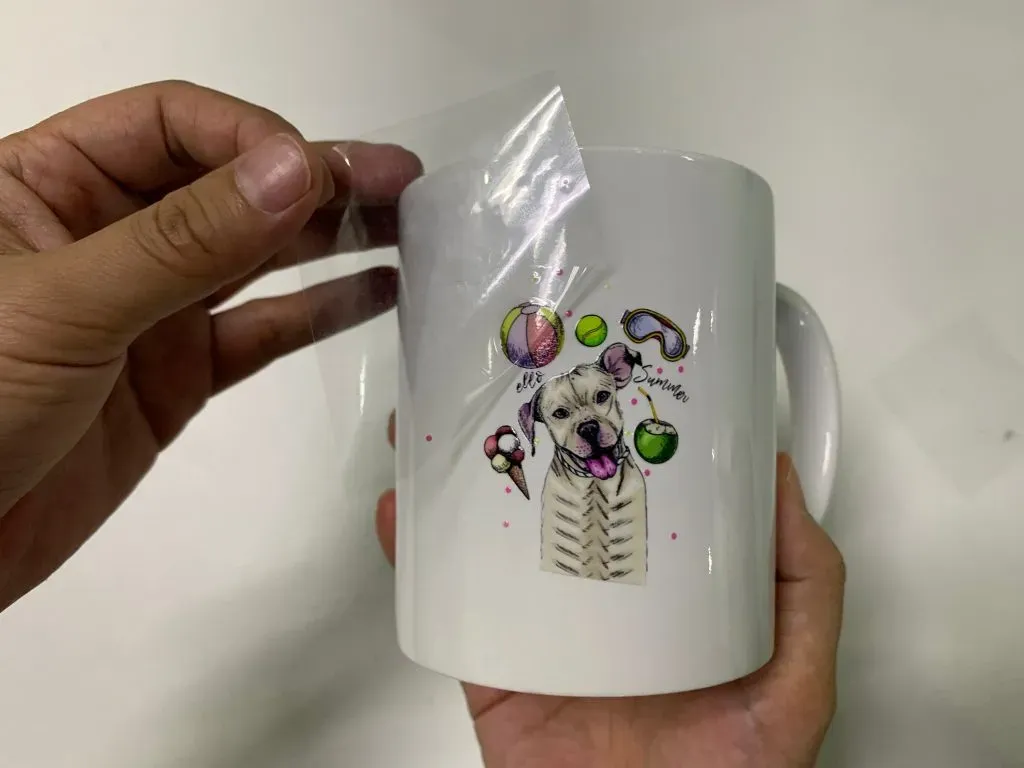
In the dynamic world of printing, **UV Direct-to-Film (DTF)** technology is rapidly gaining traction as a leading solution for custom printing needs. This innovative method utilizes ultraviolet curing inks to create incredibly vibrant and durable prints, making it an optimal choice for businesses seeking high-quality results. The growth of the UV printing industry has been fueled by an increasing consumer demand for personalized products, and UV DTF plays a crucial role in this trend. Its unique ability to adapt to a range of materials—ranging from textiles to ceramics—demonstrates the versatility and potential of UV DTF technology. As this market continues to expand, understanding UV DTF’s advantages will be essential for anyone looking to enhance their printing capabilities.
When discussing modern printing solutions, one cannot overlook the emergence of UV Direct-to-Film printing techniques, often simply referred to as UV DTF. This approach to printing has transformed the landscape of durable printing technology, enabling businesses to produce highly customized products swiftly. By incorporating UV curing processes, this technology avoids the limitations of older methods, delivering exceptional results across various substrates. As the printing industry experiences significant growth, the adoption of UV DTF represents a pivotal shift towards innovative, efficient, and eco-friendly custom printing solutions. With its ability to meet the diverse demands of consumers, understanding these advanced printing practices has never been more pertinent.
The Evolution of UV Direct-to-Film Printing
As the printing industry continues to evolve, **UV Direct-to-Film (DTF) printing** has emerged as a frontrunner among innovative technologies. This technique relies on ultraviolet light to instantly cure inks, resulting in vivid prints that resist fading and wear. The historical development of UV DTF has seen it grow from a niche technology into a mainstream solution as businesses seek faster, more efficient, and durable printing methods. Unlike traditional screen printing that requires multiple steps and can involve significant setup time, UV DTF simplifies the workflow, enabling quick production without sacrificing quality.
Furthermore, the accessibility of UV DTF technology has fueled its adoption across various sectors. Businesses of all sizes can invest in affordable UV printers and software, making high-quality custom printing feasible for startups and established companies alike. The rise in digital customization trends is creating a broader market for UV DTF products, reflecting how this technology is not just a trend but a sustainable shift in the printing industry.
Key Advantages of UV DTF Technology
One of the most significant advantages of **UV DTF technology** is its capability to produce extremely durable prints. Unlike conventional printing methods, UV DTF prints are resistant to common issues such as fading, scratching, and peeling. This makes UV DTF an appealing choice for items that experience heavy use, such as sportswear and promotional products. Not only do these prints maintain their quality over time, but they also offer businesses the confidence to provide extended warranties on their products, enhancing customer satisfaction.
Additionally, UV DTF allows for impressive levels of detail, accommodating intricate designs that resonate with today’s consumers who value personalization. The efficiency of UV inks means that businesses can fulfill orders with short turnaround times, reducing wait periods for customers. This is crucial in today’s fast-paced market where quick responsiveness can determine a brand’s reputation and customer loyalty.
Exploring the Material Versatility of UV DTF
One of the standout features of UV DTF is its unparalleled material versatility. This technology allows users to print on a broad range of substrates, including fabrics, ceramics, glass, and even wood. This adaptability opens up a world of possibilities for custom printing solutions, catering to diverse industries, from fashion to interior design. Whether it’s creating stunning apparel or personalized home decor, UV DTF proves to be a flexible solution that meets the creative demands of various sectors.
Moreover, advancements in UV DTF technology have adeptly addressed the challenge of printing on complex surfaces. Today, businesses can print high-quality graphics on more challenging materials like leather and metals, which were previously difficult to manage with traditional printing methods. This increased scope not only broadens market opportunities but also enhances brand storytelling, as companies can use customized products to convey unique messages effectively.
Environmental Impact: UV DTF as a Sustainable Option
As environmental concerns escalate, UV DTF technology emerges as a leading solution in terms of sustainable printing. Unlike many traditional methods that utilize solvent-based inks, UV DTF employs ultraviolet light to cure inks, significantly reducing harmful emissions. This eco-friendly approach aligns with contemporary initiatives toward sustainability, which are increasingly influencing consumer choices. Businesses adopting UV DTF can proudly market their products as environmentally responsible, a factor that resonates with eco-conscious consumers.
Furthermore, the efficiency of UV DTF technology translates to lower waste production. This method eliminates the need for excessive materials, unlike screen printing, which often leaves ink and substrate scraps. Adopting sustainable practices not only enhances a brand’s reputation but can also result in cost savings for businesses looking to streamline their operations. Transitioning to UV DTF not only contributes to a healthier planet but also positions companies as forward-thinking leaders in the printing industry.
Challenges to Consider When Utilizing UV DTF
Although the advantages of UV DTF are numerous, potential users should be aware of certain challenges associated with its implementation. One significant hurdle is the initial investment in equipment and technology. High-quality UV printers and specialty films can come at a considerable price, which may deter some businesses from adopting this innovative solution. However, the long-term benefits and cost-saving potential often outweigh initial financial barriers.
Another challenge is the requirement for ongoing training and expertise. Proper handling of UV inks and machinery is crucial to avoid common pitfalls that can lead to subpar print quality or equipment malfunctions. It’s essential for businesses to provide their staff with adequate training to maximize the capabilities of UV DTF technology, ensuring efficient operations and high-quality outputs that maintain current market standards.
The Future of UV DTF in the Printing Industry
The future of **UV DTF technology** appears promising as the printing industry continues to evolve rapidly. With the growing consumer demand for high-quality, customized products, businesses that leverage UV DTF can capitalize on this trend. The ability to quickly produce intricate designs with unparalleled durability positions UV DTF at the forefront of printing innovations. As customization becomes increasingly vital, UV DTF solutions are likely to see expanded use across various sectors.
Moreover, as technology advances, we can anticipate ongoing improvements in UV DTF equipment and inks, potentially lowering costs and enhancing print quality. As more businesses adopt this technology, the UV printing industry is expected to experience significant growth, leading to increased competitiveness and innovation. Staying up-to-date with these advancements will be crucial for businesses aiming to thrive and remain relevant in the evolving landscape of custom printing.
Frequently Asked Questions
What is UV Direct-to-Film printing and how does it work?
UV Direct-to-Film printing is a cutting-edge custom printing solution that utilizes UV curing inks to create vibrant and durable prints. In this technology, designs are printed onto a specialized film, which is then heat-pressed onto various substrates. This process ensures an excellent color finish and longevity, making UV DTF a popular choice in the ever-growing UV printing industry.
What are the key advantages of using UV DTF technology for custom printing?
UV DTF technology offers unmatched durability and flexibility, allowing for printing on diverse materials such as fabrics, glass, and plastics. Its instant curing capabilities result in faster production times and reduced waste, making it an efficient option for businesses offering custom printing solutions.
How does UV DTF compare to traditional printing methods like screen printing?
Unlike traditional screen printing, UV DTF utilizes UV inks that cure instantly, enabling quicker turnaround times and less material waste. This durable printing technology provides high-quality prints with better adherence to various substrates, making it a superior choice for high-wear items in the customization market.
What trends are driving the growth of the UV printing industry and UV DTF technologies?
The UV printing industry is experiencing significant growth fueled by consumer demand for personalized and customized products. As more businesses seek unique offerings in fashion and promotional merchandise, UV DTF technology’s ability to produce intricate designs efficiently positions it as a leader in addressing these market demands.
What challenges should businesses consider when adopting UV Direct-to-Film printing?
Businesses looking to adopt UV Direct-to-Film printing should consider the initial investment costs for equipment and the need for high-quality materials. Additionally, proper training on handling UV inks and machinery is crucial to overcoming common challenges and achieving optimal printing results.
What equipment is needed to start using UV DTF technology in a print shop?
To implement UV DTF technology in a print shop, essential equipment includes a UV printer, a heat press, and specialized software for design. The choice of quality films also plays a critical role in ensuring effective adhesion and durability of the prints, contributing to the overall success of custom printing projects.
| Key Feature | Description |
|---|---|
| Material Versatility | Can print on various surfaces including fabrics, ceramics, glass, and plastics; advancements allow for printing on leather and wood. |
| Unmatched Durability | UV DTF prints resist fading and scratching, maintaining quality over time and offering an eco-friendly alternative due to less solvent emissions. |
| Market Growth Trends | Increasing consumer demand for custom products boosts the UV DTF market, integrating more intricate designs into fashion and interior design. |
| Optimized Workflow and Equipment | Utilizes a UV printer, heat press, and software; decreased production costs make it accessible for small businesses. |
| Common Challenges | Initial equipment investment and quality material requirements; proper training needed for successful operation. |
Summary
UV DTF, or UV Direct-to-Film technology, revolutionizes the printing industry with its unique advantages in versatility and durability. As highlighted, it allows for printing on an extensive range of materials, making it suitable for various industries. The ability to produce high-quality prints that withstand wear and maintain vibrant colors positions UV DTF as a preferred choice for businesses focusing on custom products. Furthermore, the rising demand for personalized items has significantly contributed to the growing market potential of UV DTF. It not only optimizes workflow but also reduces waste, aligning with eco-friendly practices, thus marking its place as a sustainable solution in modern printing.