
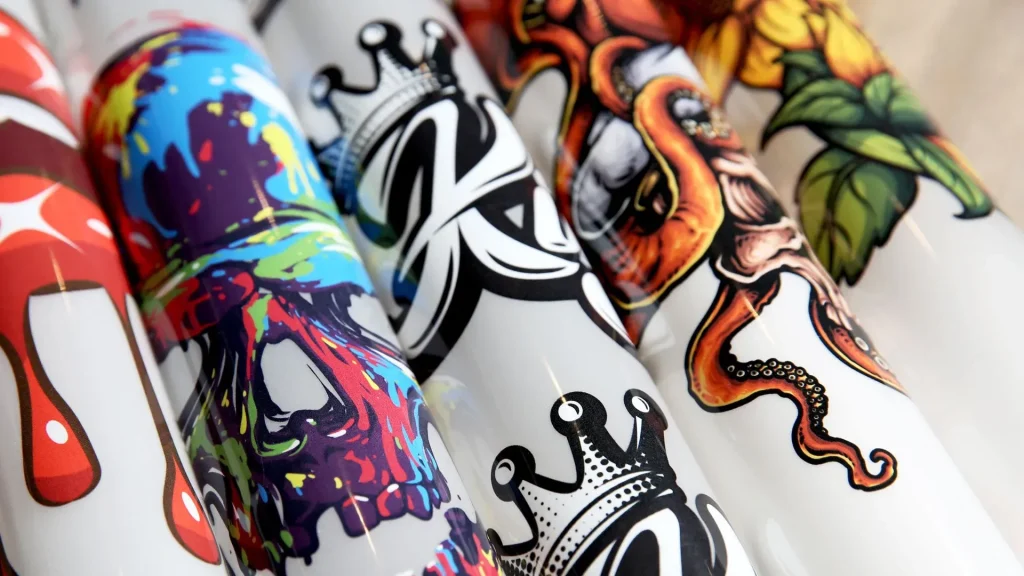
In the rapidly evolving world of fashion, DTF transfers, or Direct-to-Film printing, are reshaping the landscape of custom apparel. This innovative textile printing method allows for stunning designs to be directly transferred onto various fabrics, making it a preferred choice for brands aiming for high-quality outputs. By merging creativity with efficient production processes, DTF transfers promote sustainable fashion practices while meeting the demands of the fast fashion market. With quick turnaround times and cost-effectiveness, this technology is poised to become the cornerstone of personalized clothing. As we delve into the future of fashion, exploring the impact and advantages of DTF transfers reveals why they are a game changer for both businesses and consumers alike.
As we navigate the dynamic terrain of modern apparel production, alternative technologies such as direct-to-film applications emerge as pivotal solutions. Often discussed in the realm of textile printing, these innovations cater to brands striving for unique and customizable clothing options. With an emphasis on sustainability becoming increasingly important, these advanced printing methods are key in reducing waste and enhancing product quality in the fashion industry. By adopting these trendy production techniques, businesses can effectively tailor their offerings to meet the diverse preferences of consumers and capitalize on the growing demand for individuality in fashion.
The Rise of Direct-to-Film (DTF) Printing
Direct-to-Film (DTF) printing technology is rapidly reshaping the custom apparel landscape. This modern printing method, which allows designs to be printed directly onto a film and then transferred onto fabric, is gaining traction due to its ability to produce high-quality and vibrant prints. As the demand for unique and personalized fashion items continues to grow, brands are increasingly turning to DTF transfers to fulfill consumer desires for individuality and creativity in their attire.
DTF printing offers unparalleled flexibility compared to traditional methods, making it particularly appealing for brands seeking to expand their product offerings. With the ability to apply designs to a wide variety of materials—including cotton, polyester, and blends—DTF transfers open new avenues for creative expression in fashion design, ensuring that brands can cater to diverse consumer preferences.
Benefits of Sustainable Fashion with DTF Transfers
Sustainability is a pressing concern within the fashion industry, and DTF transfers represent a significant step towards eco-friendly practices. Unlike traditional printing methods that often rely on harmful solvents and processes, DTF technology primarily uses water-based inks, drastically reducing the environmental impact associated with textile production. By adopting DTF, brands can align themselves with the growing consumer demand for sustainable fashion, appealing to an increasingly eco-conscious market.
Moreover, DTF printing minimizes waste by allowing for smaller batch orders without significant setup costs. This is particularly beneficial for small businesses and startups that want to test new designs without incurring financial losses associated with larger production runs. By prioritizing sustainability and cost-effectiveness, brands can enhance their market reputation while attracting customers who value environmental responsibility.
Cost Efficiency: DTF Transfers vs. Traditional Methods
The cost advantages of DTF transfers cannot be overstated, especially when compared to traditional printing methods such as screen printing. DTF technology requires a lower initial investment, making it accessible for businesses of all sizes, including startups and small brands. This reduction in setup and material costs allows companies to allocate resources more efficiently, thus enabling them to remain competitive in a fast-paced fashion environment.
Furthermore, DTF transfers facilitate faster production times and lower overheads, particularly when dealing with diverse designs and smaller quantities. This level of cost efficiency empowers brands to experiment with new styles and collections, which can be vital for responding swiftly to shifting fashion trends and consumer preferences.
The Speed of Fashion: Quick Turnaround with DTF
In today’s fast-paced fashion landscape, speed is essential for success. DTF transfers allow brands to achieve a remarkable quick turnaround in production, catering to the demands of fast fashion without compromising quality. This technology enables retailers to swiftly produce customized designs, responding effectively to the ever-changing trends and consumer desires.
With DTF printing, brands can streamline their operations, reducing lead times and ultimately enhancing customer satisfaction. Quick production schedules mean that businesses can offer a wider range of designs, ensuring that they remain relevant and appealing in a competitive market.
Market Demand for DTF Transfers in Custom Apparel
The market demand for DTF transfers is steadily increasing as more fashion brands recognize the potential for customization and high-quality production. Consumers today seek unique fashion pieces that reflect their personal style, driving brands to adopt innovative methods like DTF printing. This shift not only helps establish brand identity but also fosters customer loyalty by providing tailored products that resonate with individual tastes.
By embracing DTF technology, brands can create a dynamic inventory that includes everything from custom t-shirts to high-fashion items. As a result, businesses that harness this printing method are well-positioned to lead in a market that values originality and personalization, ultimately setting themselves apart from competitors.
Future Innovations in DTF Technology
As the fashion industry continues to evolve, so too does the potential for DTF technology to innovate and expand. Future advancements may include enhanced printing capabilities allowing for even more intricate designs and patterns, catering to a broader scope of fashion applications. The ongoing development of eco-friendly inks and materials will likely ensure that DTF remains a sustainable choice for brands committed to reducing their environmental footprint.
Additionally, as the demand for digital customization grows, integrating DTF printing with artificial intelligence and design software can streamline the creative process for designers. This integration may empower brands to provide even more personalized offerings, setting a new standard for customer engagement and satisfaction in the fashion industry.
Frequently Asked Questions
What are DTF transfers, and how are they used in custom apparel?
DTF transfers, or Direct-to-Film transfers, are a modern printing technology that allows for high-quality designs to be printed on films and then transferred onto fabrics. This method is popular in custom apparel because it can print vibrant colors and intricate designs on a variety of materials, including cotton and polyester, making it a versatile choice for personalized clothing.
Why is DTF printing considered eco-friendly compared to traditional textile printing methods?
DTF printing is considered eco-friendly because it primarily uses water-based inks, which are less harmful to the environment than the solvent-based inks often used in traditional methods. This sustainable approach aligns with the growing demand for environmentally conscious practices in the fashion industry.
How does the cost-effectiveness of DTF transfers benefit small businesses in the fast fashion industry?
DTF transfers are cost-effective because they reduce setup costs and minimize waste, making them ideal for small businesses in the fast fashion industry. This technology allows these brands to produce small batches without incurring heavy expenses, enabling them to test market trends efficiently.
What advantages does DTF technology offer for quick turnaround times in textile printing?
DTF technology offers rapid production capabilities, allowing brands to complete custom orders quickly. This efficiency is crucial in the fast-paced fashion industry, where quick adaptations to trends are required for maintaining customer satisfaction and competitive advantage.
In what ways are DTF transfers enhancing the popularity of sustainable fashion?
DTF transfers enhance the popularity of sustainable fashion by enabling brands to produce high-quality, custom designs with environmentally friendly inks. This technology supports brands in appealing to eco-conscious consumers by demonstrating commitment to sustainable practices, thus aligning with current trends in ethical fashion.
How can brands leverage DTF printing to meet evolving consumer preferences in the fashion market?
Brands can leverage DTF printing to meet evolving consumer preferences by offering customizable and unique apparel options. The technology allows for high-resolution prints that cater to individual tastes, helping brands differentiate themselves in a competitive market and attract consumers seeking personalized fashion.
| Key Feature | Description |
|---|---|
| Quality and Versatility | DTF transfers produce high-resolution, vibrant prints on various fabrics, offering brands flexibility and creative potential. |
| Cost-Effectiveness | Lower production costs and reduced waste, making DTF ideal for small batches and startups. |
| Eco-Friendliness | Water-based inks with less environmental impact, aligning with sustainable consumer demands. |
| Quick Turnaround Times | Rapid production schedules meet fast fashion demands, improving efficiency and customer satisfaction. |
| Increased Popularity and Market Demand | Growing trend among brands to adopt DTF for innovative, personalized fashion solutions. |
Summary
DTF transfers are revolutionizing the future of fashion by providing a blend of quality, cost-effectiveness, and eco-friendliness. As fashion brands embrace this innovative printing technology, they are not only enhancing their product offerings but also catering to the modern consumer’s desire for customization and sustainability. The continued rise in the popularity of DTF transfers underscores their significance in the fashion industry, encouraging brands to adopt more efficient production practices. By leveraging DTF technology, companies can create unique and diverse apparel that resonates with individual consumer preferences while positioning themselves as leaders in a rapidly evolving market.