
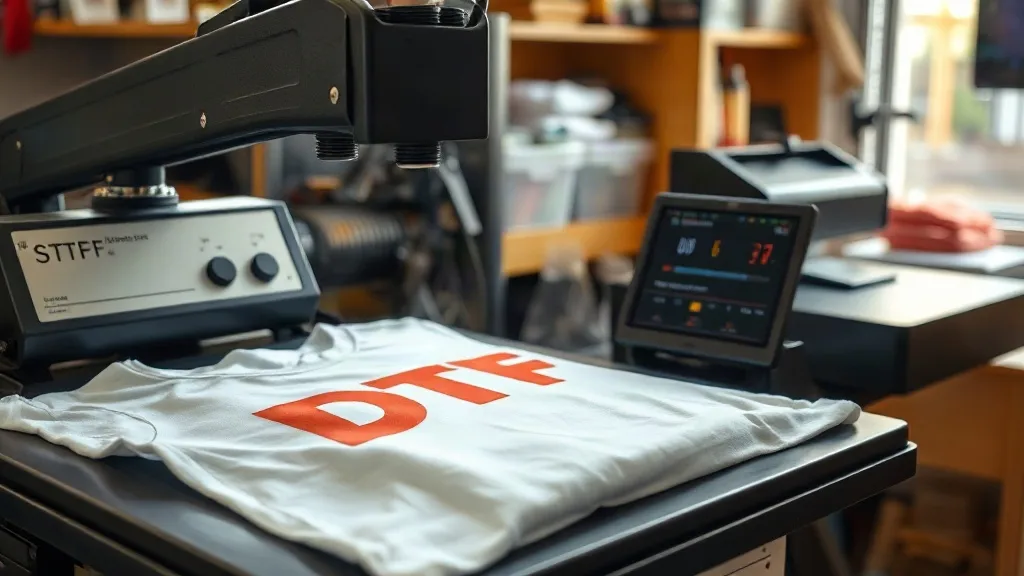
You've pressed the shirt, admired the crisp edges, and handed it to a customer. Then comes the dreaded message: "It's peeling after one wash." Weak adhesion and poor wash durability are among the most common frustrations for anyone working with dtf transfers. The good news? Most failures trace back to a handful of controllable factors. In this guide, we'll walk through the real reasons prints lift, crack, or fade, and give you practical steps to make your dtf output survive the laundry cycle again and again.
Why Adhesion Fails: The Usual Suspects
Before you blame the film or the powder, consider the entire chain. Adhesion is a chemical and mechanical bond between the transfer's adhesive layer and the fabric fibers. If any link in that chain is weak, the print will fail. Here are the most frequent culprits we see in production environments.
1. Moisture in the Garment
Fabric that feels dry to the touch can still hold enough moisture to sabotage a press. Cotton and blends absorb ambient humidity, and that trapped water turns to steam under the heat platen. The steam creates a barrier between the adhesive and the fibers, so the transfer never truly bonds. Always pre-press the garment for a few seconds to drive out moisture. You'll often see a puff of steam escape; that's a sign you just saved the print.
2. Insufficient Pressure
Heat press pressure is easy to overlook, especially on manual presses. Too little pressure and the adhesive can't flow into the fabric's weave; too much and the transfer can flatten, causing a stiff hand feel and poor penetration. Aim for medium to firm pressure, and check consistency across the platen. A simple pressure test with a piece of carbon paper can reveal low spots.
3. Wrong Temperature or Dwell Time
Every film and powder combination has a sweet spot. Running too cool means the adhesive never activates fully; too hot and you risk scorching the film or degrading the adhesive. Dwell time matters just as much: pulling the press up early leaves the bond underdeveloped. Follow the supplier's recommendations, and verify with a temp gun or press thermometer. Don't trust the dial alone.
4. Contaminated Fabric
Softener residue, sizing, or even oils from handling can prevent a proper bond. New garments often carry a factory finish that repels adhesives. A quick pre-press helps, but for problem fabrics, a light wash and dry before printing can make a world of difference. Also, avoid touching the print area with bare hands after prep.
5. Poor Powder Application
The adhesive powder is the bridge between film and fabric. Too little powder and the transfer lacks tack; too much and the excess powder can create a brittle layer that cracks. Shake off excess powder thoroughly before curing. A uniform, thin coating is what you want.
Wash Durability: Beyond the Initial Press
Even a perfectly pressed transfer can degrade over time if the wash and wear conditions are harsh. While you can't control how customers launder their garments, you can educate them and choose materials that stack the odds in your favor.
Choosing the Right Film and Powder
Not all dtf supplies are created equal. Cheaper films may have inconsistent adhesive layers, and low-grade powder might not fully cure. Invest in reputable brands and test each new batch. A simple wash test on a sample garment can reveal issues before you commit to a large order. If you're looking for reliable supplies, dtf transfers near me searches often lead to local providers who can offer faster turnaround and support, but online specialists like Harwin DTF also deliver consistent quality.
The Role of Fabric Type
Some fabrics are simply more challenging. Nylon and polyester require lower temperatures and careful pressure to avoid dye migration and adhesion failure. Cotton and blends are more forgiving. For stretchy fabrics, consider using a stretchable powder or a film designed for elasticity. Always test on the actual garment you'll be printing.
Proper Curing
After transferring, the print isn't fully done. The powder needs to melt and cross-link to form a durable bond. Some operators skip the post-press cure, but a second press with a Teflon sheet or parchment paper can significantly improve wash fastness. Just a few seconds at the right temperature can make the difference between a print that lasts and one that peels.
Step-by-Step: A Reliable DTF Pressing Workflow
To minimize adhesion issues, follow a consistent process every time. Here's a workflow that works across most fabrics.
- Preheat the garment: Press for 5-10 seconds to remove moisture and flatten the surface.
- Position the transfer: Place the film with the printed side up, adhesive side down. Secure with heat tape if needed.
- Press: Use medium-firm pressure at the recommended temperature (usually 300-320°F / 150-160°C) for 10-15 seconds.
- Peel: Wait a few seconds for the film to cool slightly, then peel in a smooth, consistent motion. Hot peel vs. cold peel depends on the film type; follow the instructions.
- Post-press: Cover with parchment or Teflon and press again for 5-10 seconds to fully cure the adhesive.
- Cool and inspect: Allow the garment to cool completely before folding or stacking. Check edges for lifting.
Testing Wash Durability In-House
Don't wait for customer complaints. Develop a simple wash test protocol. Print a sample, wash it according to the care instructions (typically inside out, cold water, gentle cycle), and dry. Repeat several times. Evaluate for cracking, peeling, or fading. Keep records of film batch, powder type, and press settings. Over time, you'll build a database of what works and what doesn't.
Educating Your Customers
Even the best print can fail if washed improperly. Include a care card with each order: turn garment inside out, machine wash cold, tumble dry low or hang dry, avoid ironing directly on the print. A little education goes a long way in reducing returns and preserving your reputation.
Frequently Asked Questions
Why does my DTF transfer peel after the first wash?
Peeling usually indicates insufficient adhesion during pressing. Common causes include moisture in the fabric, too little pressure, incorrect temperature, or contaminated fabric. Start by pre-pressing the garment to remove moisture, verify your press settings, and ensure the fabric is clean and free of softeners.
How can I improve wash durability of DTF prints?
Use quality film and powder, follow the correct press parameters, and perform a post-press cure with a Teflon sheet. Also, choose the right powder for the fabric type and test each new batch. Educating customers on proper care is equally important.
What temperature should I use for DTF transfers?
Most DTF films recommend 300-320°F (150-160°C) with medium-firm pressure for 10-15 seconds. However, always check the supplier's instructions because some films and powders have specific requirements. Using a temp gun to verify actual platen temperature is a good practice.
Can I DTF print on polyester without peeling?
Yes, but polyester requires extra care. Use lower temperatures to avoid dye migration, and consider a film designed for synthetics. Pre-press to remove moisture, and use a post-press cure. Testing on a sample is crucial.
How long should I wait before washing a DTF-printed garment?
It's best to wait at least 24 hours after pressing before washing to allow the adhesive to fully set. However, with a proper post-press cure, the print is usually ready for washing immediately, but waiting reduces risk.