
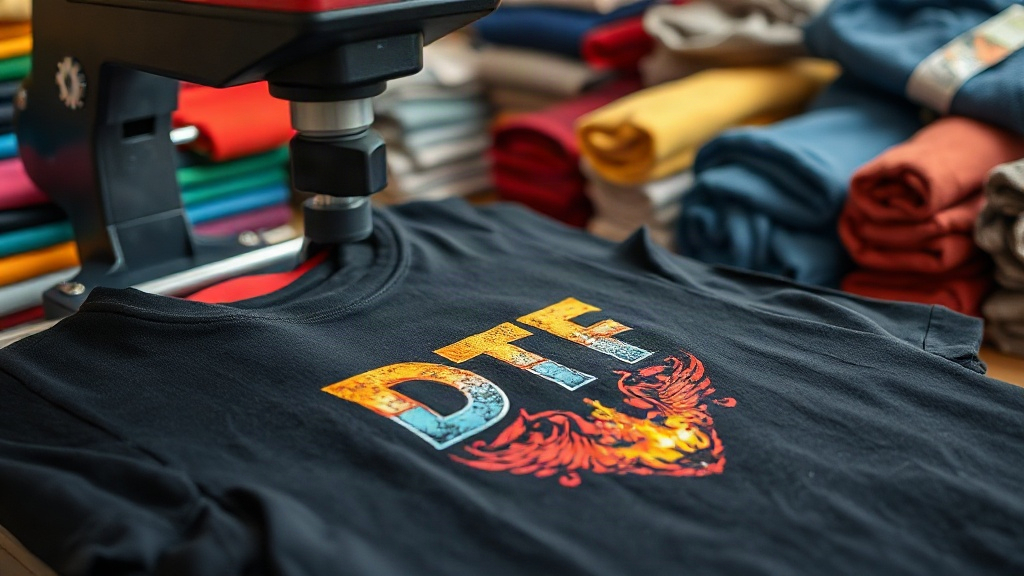
If you've ever tried to print on a polyester jacket or a nylon tote, you know the struggle: vinyl peels, screen prints crack, and sublimation only works on light poly. That's where DTF Transfers come in. This technology has quietly become the go-to solution for decorators who need vibrant, durable prints on almost any fabric. In this guide, I'll walk you through what DTF transfers are, why they work where other methods fail, and exactly how to apply them for a flawless finish. Whether you're a hobbyist or running a print shop, you'll find practical tips to step up your game.
What Are DTF Transfers?
DTF stands for Direct to Film. The process involves printing your design onto a special PET film using a DTF printer, then coating it with a hot-melt adhesive powder. Once the powder is cured, the transfer is ready to be applied with a heat press. The magic is in the adhesive: it bonds to the fabric fibers, creating a stretchy, resilient print that holds up wash after wash.
Unlike DTG, which requires pre-treated cotton, or sublimation, which only works on polyester, DTF Transfers adhere to cotton, polyester, nylon, leather, and even blends. That versatility makes them a favorite for custom apparel, accessories, and promotional items.
Why DTF Transfers Outperform Other Methods on Tricky Fabrics
Not all fabrics are created equal. Some are hydrophobic, some have tight weaves, and some melt under high heat. DTF transfers sidestep many common issues:
- No pre-treatment needed: Save time and avoid chemical mess.
- Works on dark and light colors: The white ink layer provides opacity, so your design pops on black or navy.
- Stretches with the fabric: The adhesive flexes, so prints don't crack when the garment stretches.
- Fine detail retention: Gradients, small text, and intricate logos come out sharp.
I've used DTF on everything from 100% cotton tees to 50/50 hoodies and even water-resistant nylon jackets. The results are consistently impressive, with no weeding and minimal waste.
How to Apply DTF Transfers: Step-by-Step
Getting a professional finish requires attention to a few key variables: temperature, pressure, and time. Here's my tried-and-true method.
1. Prepare Your Workspace
Set your heat press to 325°F (160°C). Pre-press the garment for 5-10 seconds to remove moisture and wrinkles. This step is crucial for nylon and coated fabrics, as trapped moisture can cause the transfer to lift.
2. Position the Transfer
Place the DTF transfer on the garment with the printed side up. The adhesive side should be facing down, in contact with the fabric. Use heat tape if needed to keep it in place.
3. Press and Peel
Apply medium pressure for 10-15 seconds. For best results, use a cover sheet to protect the film. After pressing, let it cool completely before peeling. This is a cold peel process: peeling while hot can distort the design.
4. Post-Press for Durability
For extra wash resistance, cover the design with a Teflon sheet or parchment paper and press again for 5-10 seconds. This re-melts the adhesive, ensuring a strong bond.
Common DTF Problems and How to Fix Them
Even with the right settings, things can go wrong. Here are solutions to frequent issues:
- Transfer peels off after washing: Increase pressure or temperature slightly. Ensure the fabric is completely dry before pressing.
- Design looks dull: You might be over-pressing. Reduce time or temperature. Also, check that your DTF printer's white ink is properly mixed.
- Cracking in stretch areas: Use a stretchier adhesive powder or reduce the thickness of the ink layer. Some printers offer low-melt powders for high-stretch fabrics.
Design Tips for Stunning DTF Prints
DTF excels with detailed artwork, but a few design choices can make or break the final product:
- Use transparent backgrounds: The white ink layer will be printed automatically, so don't include a white background in your file.
- Avoid very thin lines: While DTF holds detail well, lines thinner than 0.5 pt may break during transfer.
- Consider fabric color: On dark fabrics, colors may appear slightly muted without a white underbase. Most DTF printers handle this, but test first.
I always recommend printing a small test sample before a large order, especially with new fabric types.
DTF vs. Other Transfer Methods: A Quick Comparison
How does DTF stack up against vinyl, screen printing, and DTG?
- Vinyl: Great for simple designs, but limited colors and not stretchy. DTF wins for complex, multi-color art.
- Screen printing: Cost-effective for bulk, but setup costs are high. DTF has no minimums and no screens.
- DTG: Only for cotton, requires pre-treatment, and can fade. DTF works on more fabrics and lasts longer.
For small businesses and custom orders, DTF offers the best balance of quality, versatility, and cost.
Frequently Asked Questions About DTF Transfers
Can I use DTF transfers on 100% polyester?
Yes, DTF works great on polyester. However, polyester is heat-sensitive, so lower your press temperature to 300°F (150°C) and use a shorter press time to avoid scorching or dye migration. Always test on a scrap piece first.
How long do DTF transfers last?
With proper application and care, DTF prints can last 50+ washes. Turn the garment inside out and wash in cold water. Avoid bleach and tumble dry on low. Following these steps will maximize longevity.
Do I need a special printer for DTF?
Yes, you need a DTF printer with white ink capabilities and a powder shaker. However, you can also buy pre-made DTF transfers from suppliers and apply them with a heat press. This is a great option if you're just starting out.
Can I layer DTF transfers?
Layering is possible but tricky. It's best to press the bottom layer first, then apply the top layer. Use a lower temperature for the second press to avoid disturbing the first layer. Alternatively, design your artwork to include all elements in one transfer.
What's the difference between DTF and DTG?
DTG prints directly onto the garment, while DTF prints onto a film that is then transferred. DTF works on more fabrics, doesn't require pre-treatment, and often produces more vibrant colors on dark shirts. DTG is limited to cotton and requires careful handling.
DTF transfers have revolutionized the custom apparel industry by making it possible to print on almost any fabric with stunning results. With the right techniques, you can achieve professional-quality prints that last. Experiment, practice, and don't be afraid to push the boundaries of what you can create.