
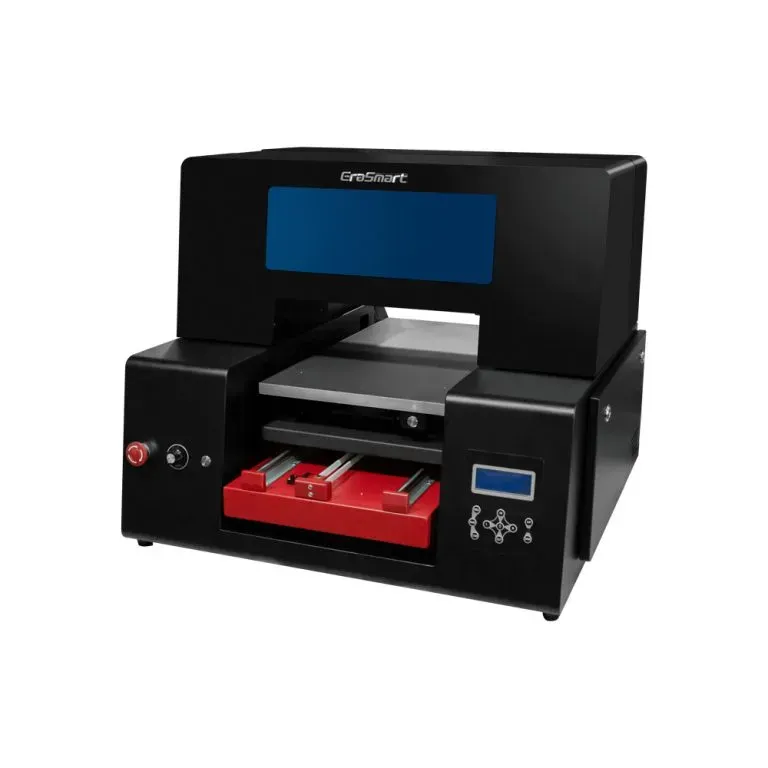
UV DTF Technology is revolutionizing the printing landscape, offering a sustainable solution that combines high-quality results with environmental consciousness. As businesses increasingly seek eco-friendly options, this innovative approach utilizes ultraviolet light to cure inks rapidly, drastically reducing energy consumption compared to traditional printing methods. By minimizing the use of harmful chemicals and lowering waste generation, UV DTF technology stands out as a leader in sustainable printing solutions. Its compatibility with a variety of recyclable printing materials also aligns perfectly with contemporary green initiatives. This article explores the multitude of benefits associated with UV DTF technology and its role in fostering environmentally responsible practices in the printing industry.
Often referred to as UV Direct to Film, this cutting-edge printing method employs UV curing technology to create vibrant and durable prints. UV DTF leverages low-energy printing processes that not only enhance efficiency but also significantly reduce carbon footprints. This technology's commitment to sustainability is illustrated through its reduced emissions and minimal waste generation, making it an attractive alternative in the realm of sustainable printing. Furthermore, the use of recyclable printing materials resonates with the growing demand for eco-conscious solutions in various industries. This discussion will delve into the operational advantages of UV DTF technology and its positive impact on environmental efforts.
Understanding UV DTF Technology and Its Applications
UV DTF technology, or Ultraviolet Direct to Film printing, is a cutting-edge method that harnesses UV light to cure prints instantly. This revolutionary approach not only enhances print quality but also increases production efficiency, making it an indispensable tool in modern manufacturing. Businesses across various sectors—from textiles to packaging—are adopting UV DTF technology due to its ability to deliver vibrant and durable prints on diverse substrates.
The applications of UV DTF technology are vast and varied. Its compatibility with different materials allows for the printing of intricate designs on both flexible and rigid surfaces, minimizing the need for multiple printing setups. As a result, companies can streamline their operations, reduce waste, and ultimately lower their environmental footprints while maintaining high-quality standards.
The Eco-Friendly Impact of UV Curing Technology
UV curing technology plays a pivotal role in reducing the environmental impact of the printing industry. Unlike conventional printing, which often relies on solvent-based inks that emit volatile organic compounds (VOCs), UV DTF technology employs inks that cure through UV light exposure, releasing minimal VOCs into the atmosphere. This reduction in harmful emissions contributes to improved air quality and overall environmental health.
Moreover, UV curing technology demands significantly lower energy consumption compared to traditional methods. By utilizing LED UV lights, businesses can operate with reduced energy inputs, leading to substantial cost savings while decreasing their carbon footprint. This efficient energy usage underscores the suitability of UV DTF technology in a time when sustainability is paramount.
Sustainable Printing Solutions and Their Benefits
Sustainable printing solutions, such as UV DTF technology, not only cater to the needs of environmentally-conscious consumers but also promote responsible production practices. This method reduces the dependency on harmful chemicals typically found in conventional inks, fostering a healthier ecosystem. Additionally, the technology’s ability to produce long-lasting prints decreases the necessity for frequent reprints, which further conserves natural resources and minimizes waste.
Choosing sustainable printing solutions also reflects positively on a company’s brand image. Consumers are increasingly drawn to brands that prioritize eco-friendly practices, and by adopting UV DTF technology, businesses can showcase their commitment to sustainability. This strategic alignment with consumer values translates into loyalty and trust, creating a competitive edge in the marketplace.
The Role of Recyclable Printing Materials in UV DTF
Recyclable printing materials play a crucial role in the evolution of the printing industry towards sustainability. UV DTF technology supports and encourages the use of recyclable substrates, which contributes to a circular economy. As businesses focus on reducing their waste streams, the integration of recyclable materials in printing processes fosters a more sustainable production cycle.
Incorporating recyclable printing materials into UV DTF processes not only helps in minimizing landfill contributions but also raises awareness among consumers about the importance of recycling. Educating customers about the recyclability of printed products encourages responsible disposal practices, further enhancing the environmental benefits of UV DTF technology.
Recent Innovations in UV DTF Technology
The field of UV DTF technology is witnessing rapid advancements, particularly with the integration of LED technology. Recent innovations in LED UV curing systems have revolutionized energy efficiency in printing. Manufacturers are now able to report significant reductions in operational expenses while achieving higher quality outputs, thus promoting a more sustainable printing solution that appeals to businesses worldwide.
Furthermore, many companies are now pursuing sustainability certifications for their UV DTF processes. These certifications not only validate the eco-friendliness of their practices but also serve as a mark of quality for consumers. By adopting certified sustainable technologies, businesses can further enhance their reputation and commitment to environmentally responsible manufacturing.
Conclusion: The Future of Eco-Conscious Printing with UV DTF Technology
As the printing industry shifts towards more eco-conscious practices, UV DTF technology stands out as a frontrunner in sustainable solutions. Its impressive advantages—such as lower energy consumption, reduced emissions, and the ability to produce long-lasting, high-quality prints—position it as a viable alternative to traditional methods. The future of printing is undoubtedly leaning towards technologies that harmonize with the environment.
In conclusion, embracing UV DTF technology is essential for businesses looking to minimize their environmental impact while meeting the growing demand for sustainable products. By integrating eco-friendly practices into their operations and communicating these efforts to consumers, companies can not only improve their ecological footprint but also build trust and loyalty in an increasingly conscientious marketplace.
Frequently Asked Questions
What are the environmental benefits of UV DTF technology?
UV DTF technology offers significant environmental benefits, including lower energy consumption and reduced harmful emissions. By utilizing LED UV curing systems, this technology requires less energy to operate, leading to a smaller carbon footprint. Additionally, UV DTF inks emit fewer volatile organic compounds (VOCs) compared to traditional inks, contributing to improved air quality and overall sustainability in printing.
How does UV curing technology contribute to sustainable printing solutions?
UV curing technology enhances sustainable printing solutions by rapidly curing inks with ultraviolet light, which reduces energy consumption and minimizes waste. It eliminates the need for traditional drying methods that consume more resources and generates less waste during the printing process. This efficiency promotes eco-friendly practices in the printing industry.
Can UV DTF technology lead to lower energy printing processes?
Yes, UV DTF technology significantly lowers energy printing processes. By using LED UV lights rather than heat for drying inks, it cuts down on energy use. This not only reduces operational costs but also decreases the overall energy footprint of printing operations, aligning with eco-conscious practices.
What makes UV DTF technology a recyclable printing material option?
UV DTF technology focuses on using substrates that can be easily recycled and promotes the use of eco-friendly inks that contribute to a circular economy. This commitment to recyclability not only reduces waste but also meets the growing demand for sustainable practices within the printing industry.
Why are low energy printing methods like UV DTF important for the environment?
Low energy printing methods, such as UV DTF, are crucial for the environment as they reduce resource consumption and greenhouse gas emissions. By optimizing energy use and minimizing waste generation, UV DTF technology supports sustainable manufacturing and helps businesses meet increasingly stringent environmental standards.
How does UV DTF technology ensure durability in prints, contributing to sustainability?
UV DTF technology produces long-lasting prints that resist fading and wear, reducing the need for frequent replacements. This durability minimizes resource consumption and waste generation over time, making it a sustainable choice for businesses seeking to enhance their environmental responsibility while maintaining print quality.
| Key Point | Description |
|---|---|
| What is UV DTF Technology? | Uses ultraviolet light to cure inks on various substrates, providing vibrant colors and durable finishes. |
| Lower Energy Consumption | Utilizes LED UV lights, significantly reducing energy use compared to traditional thermal drying methods. |
| Reduced Chemicals and Waste | Emits fewer VOCs and minimizes waste, promoting better air quality and sustainable practices. |
| Long-lasting Prints | Durable prints reduce the need for frequent replacements, conserving resources and reducing waste. |
| Diverse Material Compatibility | Can print on a wide variety of surfaces, enhancing production efficiency and reducing resource usage. |
| Recyclability | Focuses on eco-friendly inks and recyclable substrates, contributing to a circular economy in printing. |
Summary
UV DTF Technology has garnered attention as a pivotal advancement in sustainable printing practices. It excels in delivering numerous environmental benefits such as significantly lower energy consumption, diminished harmful emissions, longer-lasting print solutions, and compatibility with a wide array of materials. As businesses and consumers become increasingly eco-conscious, this innovative printing technology stands out as a compelling alternative to traditional methods, driving the industry toward a more responsible and sustainable future.