
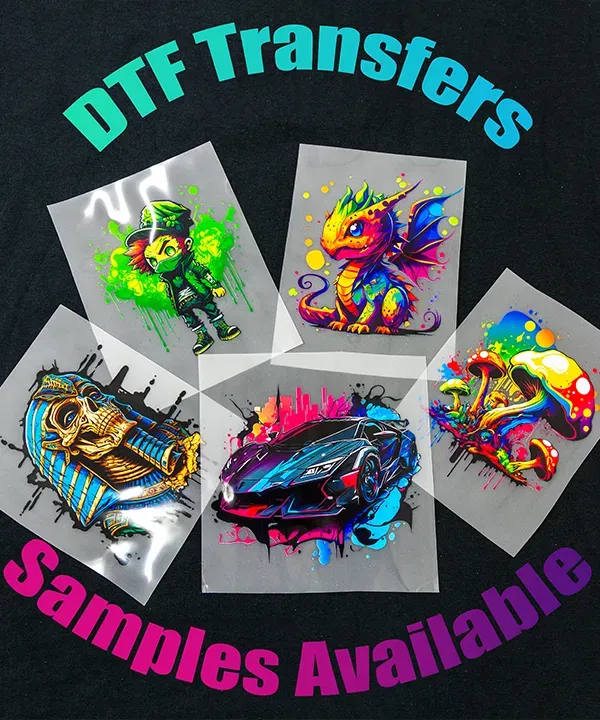
DTF Transfers, or Direct-to-Film printing, has emerged as a groundbreaking method in custom apparel printing, allowing vibrant designs to be effortlessly transferred onto a multitude of fabrics. This modern technique not only enhances the quality of prints but also significantly increases efficiency for businesses and DIY enthusiasts alike. With the right DTF printing equipment, including specialized printers and high-quality heat transfer films, anyone can embark on their custom printing journey. Exploring the essential DTF transfer materials, from inks to adhesive powders, is crucial for achieving stunning, durable designs that stand the test of time. Embarking on this innovative space in the printing industry opens up exciting possibilities for unique, personalized clothing and accessories.
Exploring the world of Direct-to-Film transfers, often abbreviated as DTF, reveals a wealth of opportunities for those interested in custom printing. This method stands out for its ability to produce high-quality images on various textile surfaces, utilizing innovative printing technology. Often described as a modern approach to graphic transfer, DTF relies on specialized equipment and materials to achieve vibrant results. This guide covers the essentials, including how to set up your DTF printer, select suitable heat transfer films, and understand the process of custom imprinting. Embracing DTF techniques can transform the way designers and businesses approach fabric printing, resulting in unique and captivating apparel.
Understanding DTF Printing Equipment
The backbone of a successful DTF printing operation lies in understanding the equipment involved. A DTF printer, such as the Epson L1800 or commercial-grade Mimaki models, plays a pivotal role in producing high-quality transfers. These printers utilize specialized inks that require precise micro-piezo technology, ensuring designs are vibrant and durable on various fabrics. Investing in reliable DTF printing equipment not only enhances print fidelity but also streamlines the overall production process, making it critical for businesses looking to scale their operations.
In addition to the printer, other essential tools like heat transfer film (HTF) and adhesive powder significantly impact the quality of the final product. High-caliber HTF ensures that prints display excellent clarity and withstand repeated washes, while different types of adhesive powders can help secure designs precisely to the fabric. Thus, understanding the various equipment components is crucial for anyone aiming to master DTF transfers and achieve professional results.
Key DTF Transfer Materials for Quality Prints
Selecting appropriate materials is vital for successful DTF printing. The quality of the DTF inks directly influences the durability and vibrancy of your designs. Typically, water-based inks are used that ensure exceptional adhesion to the heat transfer film (HTF) and the underlying garment. Experimenting with different ink brands can help determine which works best for your specific fabric type, ensuring that prints maintain their brilliance after multiple washes.
Furthermore, combining quality DTF inks with the right heat transfer film is essential. Not all HTFs are created equally; some films offer superior adhesion while others might be more suitable for specific fabric blends like cotton or polyester. Conducting thorough tests with various DTF transfer materials will provide valuable insights into how they perform, optimizing your setup for quality and efficiency.
Setting Up Your DTF Printer for Success
Proper DTF printer setup is critical for achieving consistent and high-quality prints. Begin by ensuring that your printer is calibrated correctly, which entails configuring color profiles and cleaning print heads before use. For optimal performance, utilize DTF inks that are compatible with your specific printer model. This not only guarantees excellent color reproduction but also minimizes the risk of clogging nozzles, which can be a frustrating setback.
Moreover, integrating effective maintenance routines is vital. Regularly cleaning your DTF printing equipment, following manufacturer guidelines, can drastically extend the lifespan of your printer and ensure that it operates smoothly. This proactive approach not only enhances the quality of your prints but also improves overall productivity, setting up your DTF printing operation for long-term success.
Exploring Various Heat Transfer Films
Heat transfer films (HTF) are a crucial component in the DTF printing process, acting as the carrier for your inked designs. The choice of HTF can have a significant impact on the finished product’s appearance and durability. High-quality HTFs will prevent colors from bleeding and maintain design sharpness, making it essential to source films specifically formulated for DTF processes. Moreover, the compatibility of HTF with different garment types should not be overlooked, ensuring that prints adhere effectively and look professional.
When exploring various heat transfer films, consider factors like opacity, thickness, and application methods. Certain films are optimized for use with lighter fabrics, while others cater to dark materials, affecting the final print’s brightness and vibrancy. Investing time in understanding the nuances of these films will pay off in the quality of the DTF transfers produced, allowing for stunning end products that can captivate customers.
Tips for Efficient DTF Printer Maintenance
Maintaining your DTF printer is essential for optimal performance and longevity. Establishing a regular cleaning schedule can prevent common issues, such as ink clogs or poor print quality. Utilize manufacturer-recommended cleaning solutions and techniques to ensure your printer remains in top shape. This not only maintains print quality but also reduces downtime, allowing you to fulfill orders promptly.
In addition to routine cleaning, keeping an eye on your printer’s components, such as the print heads and ink cartridges, is crucial. Regularly inspect these parts for wear and tear, and replace them as needed. Ensuring your DTF printer setup is clean and well-maintained will enhance print reliability, contributing to higher satisfaction in your custom DTF printing endeavors.
Starting Your DTF Transfer Business
Launching a DTF printing business can be both exciting and daunting. Begin by gathering the essential DTF transfers equipment and materials discussed earlier to create a solid foundation. Focus on acquiring quality printers, HTFs, and inks that will ensure your prints are vibrant and durable. Additionally, familiarize yourself with the entire DTF printing process through workshops, tutorials, and online resources to build your expertise and confidence.
As you embark on this journey, consider experimenting with different design software, such as Adobe Illustrator, to enhance your graphic creation skills. This is critical in the custom DTF printing landscape, where unique and appealing designs set effective businesses apart. Engaging with online communities and forums can also provide valuable insights and support as you navigate the initial stages of your DTF transfer business.
Frequently Asked Questions
What is DTF printing and what equipment do I need for DTF transfers?
DTF printing, or Direct-to-Film printing, is a method that allows for vibrant, durable prints on various fabrics. Essential DTF printing equipment includes a DTF printer, heat transfer films, adhesive powder, and a heat press machine. These components work together to produce quality DTF transfers for custom printing.
How do I set up my DTF printer for optimal DTF transfers?
To set up your DTF printer for successful DTF transfers, ensure that the printer is compatible with DTF inks, install the required software, and calibrate the printer settings according to the manufacturer's guidelines. It's also important to test different heat transfer films and settings before starting large production runs.
What types of heat transfer films are best for DTF transfers?
When selecting heat transfer films for DTF transfers, look for high-quality options that offer excellent ink adhesion and durability. Popular choices include PET films designed specifically for DTF printing, which enhance clarity and vibrant colors in your custom designs.
Can I use any fabric for DTF transfers?
DTF transfers work well on various materials, including cotton, polyester, and tri-blends. However, it's recommended to conduct a test press on your chosen fabric to ensure proper adhesion and vibrancy of prints after heat transfer.
What materials do I need for successful DTF printing besides the printer?
In addition to a DTF printer, essential DTF transfer materials include DTF inks, adhesive powder, heat transfer films, and optionally, transfer tape for aligning designs. Proper selection of these materials ensures high-quality, durable prints.
What tips can help improve the quality of my DTF transfers?
To enhance your DTF transfers, focus on using high-quality DTF printing equipment, experiment with various heat transfer films and adhesives, and regularly maintain your printer and heat press. Additionally, familiarizing yourself with design software will enable you to create stunning graphics tailored for DTF printing.
| Key Equipment and Materials for DTF Transfers | |
|---|---|
| 1. DTF Printer | A reliable DTF printer is essential for creating quality transfers with vibrant and lasting prints. |
| 2. Heat Transfer Film (HTF) | HTF acts as the medium holding the design for heat transfer onto garments, impacting durability and clarity. |
| 3. Adhesive Powder | Sprinkling adhesive powder onto wet ink ensures proper adhesion of the design to fabric. |
| 4. Heat Press Machine | This machine applies the necessary heat and pressure to transfer the ink from film to garment. |
| 5. Curing Equipment | Curing methods enhance print durability by setting the design firmly through heat. |
| 6. Design Software | Essential for creating and editing artwork before print, tools like Adobe Illustrator are highly recommended. |
| Materials | |
| Inks | Water-based inks designed for strong adhesion to HTF and fabric for long-lasting visuals. |
| Transfer Tape | Helpful for aligning transfers on complex shapes, providing protection against misalignment. |
| Garments | DTF printing works well on cotton, polyester, and tri-blends, requiring pre-press tests. |
Summary
DTF Transfers are transforming the custom printing landscape, offering robust and vibrant options for apparel decoration. By investing in the right equipment such as a dependable DTF printer, quality Heat Transfer Film, and a reliable heat press machine, anyone can navigate the complexities of DTF printing. Additionally, understanding the key materials involved, like specialized inks and adhesive powders, ensures that your designs not only look great but also stand the test of time. Whether you’re starting a business or enhancing your creative skills, mastering these elements will pave the way for producing exceptional prints that cater to any fashion need.